BLOGS
HOME » SUPPORT » BLOGS

Blogs

When to Repair or Replace a Prefabricated Running Track
hd-real-20261007-projects-63.jpg
When to Repair or Replace a Prefabricated Running Track
A prefabricated running track can be a candidate for localized repair when the damage is limited and the surrounding sheet, bond and foundation remain sound. Widespread deterioration, repeated bond failures or unresolved foundation movement may justify a larger intervention. The decision should be based on the cause and distribution of defects, the required sports performance and the cost of keeping the facility usable, not appearance alone.
View More >>
October 02, 2026
Indoor and Outdoor Prefabricated Running Track Requirements
hd-real-20261007-projects-20.jpg
Indoor and Outdoor Prefabricated Running Track Requirements
Indoor and outdoor prefabricated running tracks need different exposure and installation assessments even when their appearance is similar. Outdoor systems must account for sunlight, rain, temperature variation and drainage. Indoor projects place additional emphasis on building conditions, emissions, ventilation and the requirements of the intended indoor use. Product selection should address the complete surface, adhesive and foundation assembly for its actual environment.
View More >>
October 01, 2026
What Maintenance Cuts Environmental Rubber Track Downtime?
hd-real-20261007-banner-10.jpg
What Maintenance Cuts Environmental Rubber Track Downtime?
Stop costly downtime! Learn proactive maintenance for environmental rubber tracks. Extend lifespan, ensure safety, and avoid premature replacement.
View More >>
September 30, 2026
A Practical Acceptance Checklist for Prefabricated Running Tracks
hd-real-20261007-projects-43.jpg
A Practical Acceptance Checklist for Prefabricated Running Tracks
Accepting a prefabricated running track requires more than checking whether the color and lane lines look correct. The owner needs evidence that the surface matches the approved construction, remains properly bonded and meets the project's dimensional and performance requirements. Organize handover around defined inspections, applicable tests and complete records. Resolve the acceptance criteria before construction so completion is judged against an agreed specification.
View More >>
September 30, 2026
How Do You Plan MOQ and Lead Time for Commercial Sports Flooring?
06-track-factory-quality-control-figure-05.jpg
How Do You Plan MOQ and Lead Time for Commercial Sports Flooring?
Stop stalled construction! Master MOQ & lead time planning for commercial sports flooring to avoid budget-busting delays and mismatched dye lots.
View More >>
September 30, 2026
Planning Prefabricated Track Seams for Curves Straights and Runways
hd-real-20261007-projects-23.jpg
Planning Prefabricated Track Seams for Curves Straights and Runways
Prefabricated running track seam layout should be resolved before final cutting and adhesive application. The plan needs to coordinate roll dimensions, surface orientation, track geometry, drainage and event equipment. Curves and runways introduce different fitting demands from a straight training lane. A documented layout helps reduce awkward joints, unnecessary narrow pieces and forced stretching while preserving the approved athletics geometry.
View More >>
September 29, 2026
Why Prefabricated Track Rolls Need Acclimation Before Installation
hd-real-20261007-team-01.jpg
Why Prefabricated Track Rolls Need Acclimation Before Installation
Prefabricated rubber track rolls need suitable conditioning so their temperature and shape are stable enough for accurate fitting and bonding. Storage and transport can leave material colder, warmer or more curved than the installation area. The correct procedure follows the selected product's instructions and actual site conditions. A fixed waiting period, used without checking the rolls, cannot establish that every sheet is ready.
View More >>
September 28, 2026
Why Tensile Strength Alone Does Not Define Running Track Durability
hd-real-20261007-factory-11.jpg
Why Tensile Strength Alone Does Not Define Running Track Durability
Tensile strength helps describe a rubber material, but it cannot independently predict the durability of a prefabricated running track. Athletic surfaces experience repeated impacts, spike contact, weather exposure and stress at seams and bonded interfaces. A useful comparison combines tensile results with tear resistance, aging behavior, wear and installed-system performance. Buyers should first make sure the numbers being compared were produced under equivalent conditions.
View More >>
September 27, 2026
Factory Quality Control for Prefabricated Rubber Running Tracks
hd-real-20261007-factory-09.jpg
Factory Quality Control for Prefabricated Rubber Running Tracks
Factory quality control for prefabricated running tracks should connect incoming materials, production settings and finished-roll results to identifiable batches. Thickness, appearance and tensile properties each reveal part of the picture. Reliable procurement also examines sampling, traceability and the process for handling nonconforming material. The objective is consistent delivered rolls that match the approved construction, with records that remain useful after installation.
View More >>
September 26, 2026
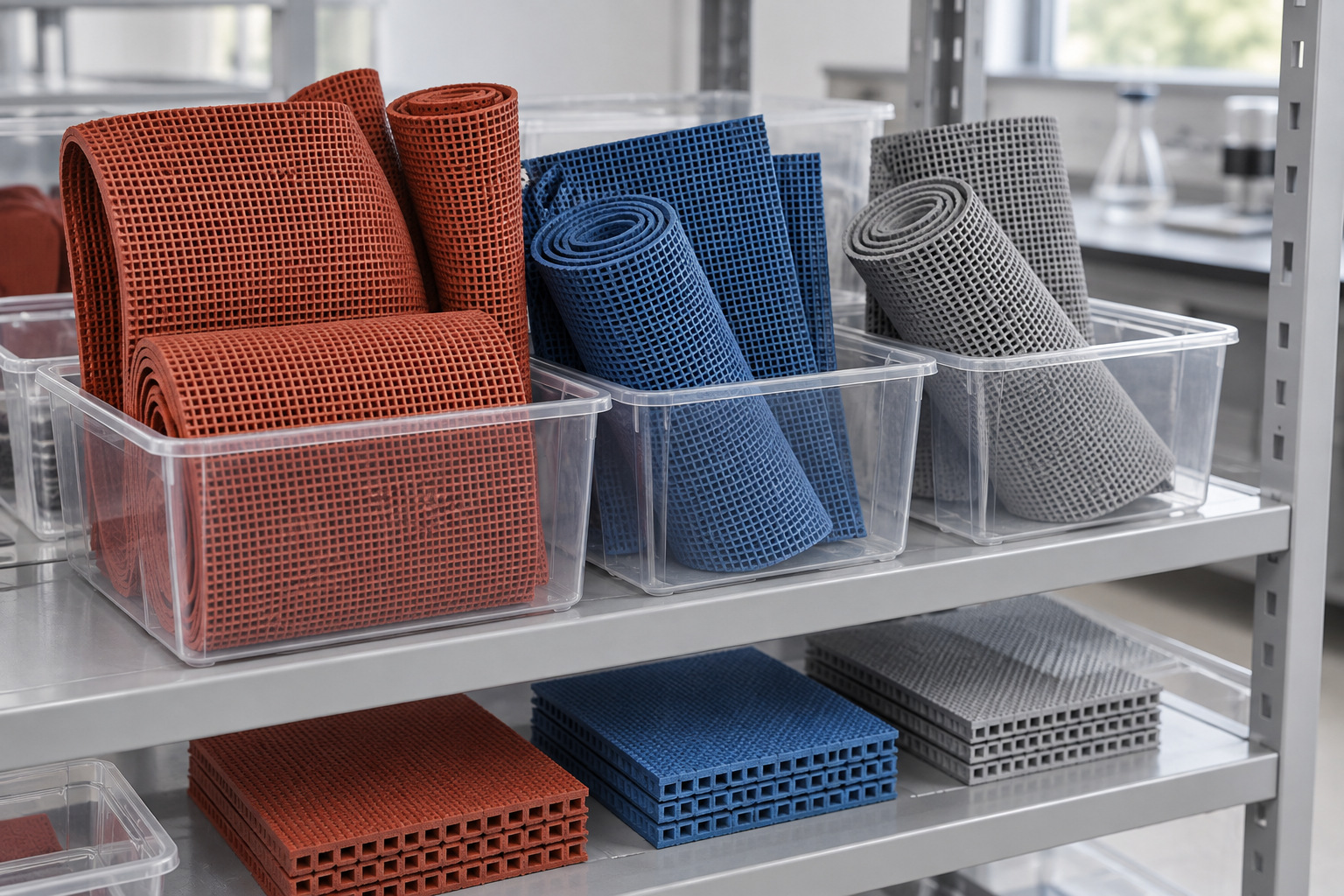
What Packaging Works Best for Wholesale Prefabricated Track?
05-track-base-moisture-figure-03.jpg
What Packaging Works Best for Wholesale Prefabricated Track?
Bulk prefab rubber track: audit packaging protocols for core strength, pallets & moisture barriers to avoid roll damage and install delays.
View More >>
September 26, 2026
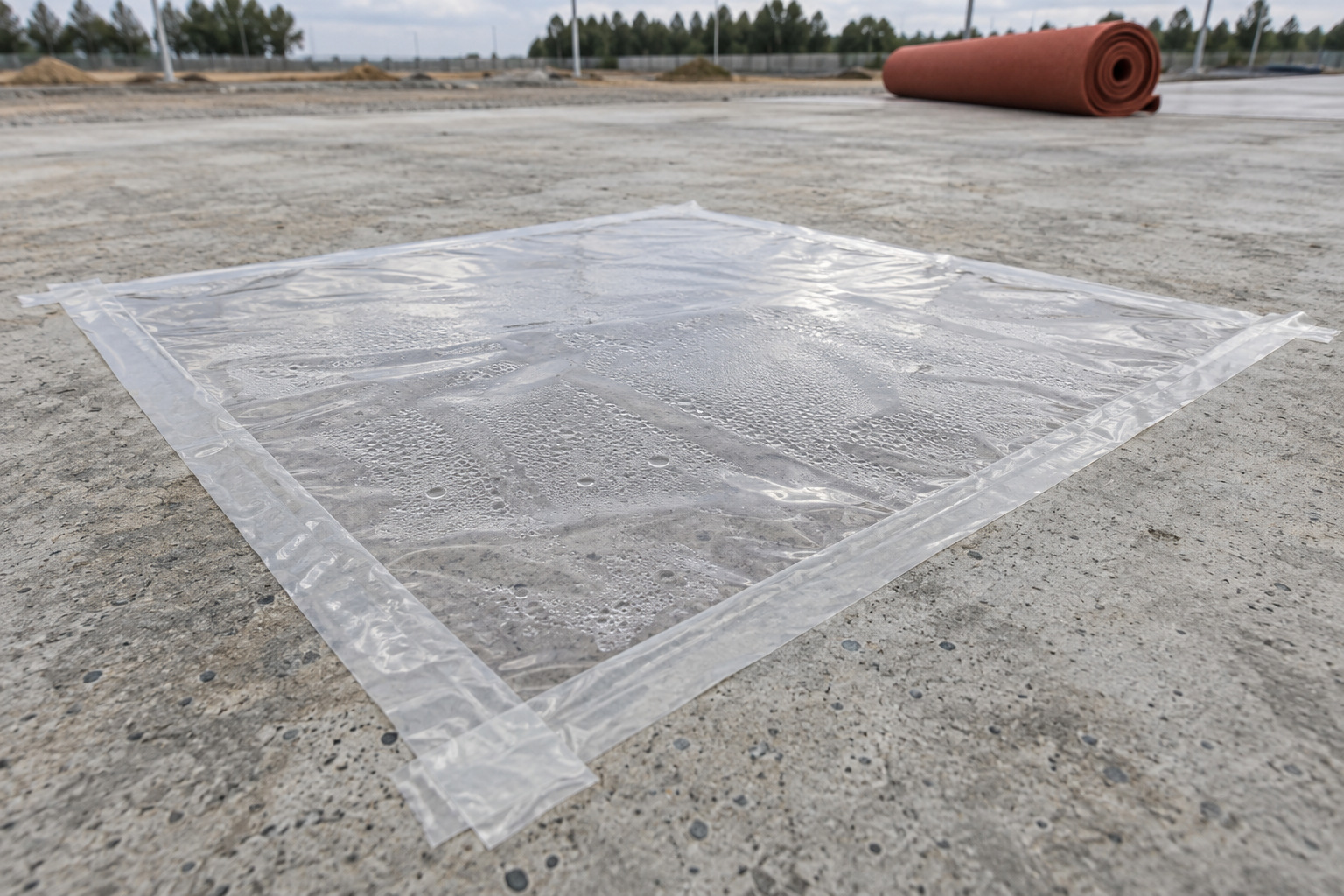
How Base Moisture Causes Prefabricated Running Track Problems
hd-real-20261007-team-05.jpg
How Base Moisture Causes Prefabricated Running Track Problems
Moisture beneath a prefabricated rubber running track can contribute to adhesive failure, blistering and recurring edge lifting. The risk depends on the water source, the condition of the foundation and the selected bonding system. A surface that looks dry may still contain moisture internally. Before installation, the project team should identify how the base is exposed to water, select a suitable test method and compare the result with the adhesive system's stated limits.
View More >>
September 25, 2026
How to Improve Spike Resistance in Prefabricated Running Tracks
hd-real-20261007-banner-14.jpg
How to Improve Spike Resistance in Prefabricated Running Tracks
Improving spike resistance in a prefabricated running track requires a durable wearing compound, controlled vulcanization, consistent layer thickness and reliable support after installation. A high tensile-strength value alone cannot describe how a surface responds to repeated spike contact. Manufacturers and project teams need to evaluate local cutting, tear growth, surface wear and the condition of the bonded assembly together.
View More >>
September 24, 2026

THEY’VE TEAMED UP WITH US

QUICK LINKS

CONTACT US

Tel: +86-138-6872-5588
E-mail: clay.jin@huadongtrack.com
WhatsApp: +8613868725588
Add: Huadong Rubber Industrial Zone, Baishi Yueqing Zhejiang China, 325604
HongKong Business Contacts:
E-mail: hk@huadongtrack.com
Copyright © 2025 Huadongtrack All Rights Reserved.| Sitemap |Privacy Policy