Contents
Introduction
Understanding Extreme Weather Challenges for Athletics Rubber Running Track Systems
Material Composition and Performance Stability in Extreme Climates
Drainage, Surface Texture, and Slip Resistance Under Severe Weather
Structural Design Choices: Prefabricated vs. In-Situ Tracks in Harsh Environments
Compliance, Certification, and Long-Term Reliability Standards
Maintenance Strategies to Preserve High-Performance in Extreme Conditions
Conclusion
FAQ
Introduction
Selecting the right athletics Rubber running track is a critical infrastructure decision when facilities are exposed to extreme weather conditions. From prolonged heatwaves and intense UV exposure to freezing temperatures, heavy rainfall, and high humidity, climate stress directly affects athlete safety, surface performance, and long-term durability. A poorly chosen track system can harden, crack, lose elasticity, or become dangerously slippery, undermining both performance and compliance standards.
This article focuses exclusively on Choosing the Best Athletics Rubber Running Track for Extreme Weather Conditions, offering actionable guidance grounded in material science, structural design, and performance reliability.
Understanding Extreme Weather Challenges for Athletics Rubber Running Track Systems
Extreme weather places unique and often underestimated demands on an athletics Rubber running track. High temperatures can accelerate oxidation and binder degradation, while low temperatures reduce elasticity and increase brittleness. Heavy rainfall tests drainage efficiency, and freeze-thaw cycles can destroy poorly bonded layers.
A High-performance athletics Rubber running track must maintain shock absorption, energy return, and traction consistency regardless of environmental stress. In hot climates, surface softening can lead to deformation under spike pressure. In cold regions, insufficient flexibility may cause micro-cracking that spreads rapidly over multiple seasons. Coastal or humid environments further introduce risks of moisture penetration and microbial growth.
Understanding these challenges shifts selection criteria away from aesthetics or short-term cost toward climate-specific engineering performance. Facilities exposed to extreme conditions require Outdoor all-weather athletics Rubber running track systems engineered to tolerate thermal expansion, resist UV radiation, and remain dimensionally stable over decades of use.

Material Composition and Performance Stability in Extreme Climates
The performance of an athletics Rubber running track in extreme weather is primarily determined by its material composition. Rubber granule type, polyurethane binder formulation, and layer density directly affect temperature tolerance, elasticity retention, and aging resistance.
For high-heat environments, UV-stabilized binders and heat-resistant elastomers are essential to prevent surface chalking and hardening. In cold or variable climates, low-temperature flexibility ensures that the Professional athletics Rubber running track maintains consistent shock absorption even below freezing. Material purity also matters: recycled content with inconsistent particle size can amplify thermal stress and reduce lifespan.
The table below compares key material properties required for extreme climates:
| Climate Stress Factor | Required Material Property | Performance Impact |
| High temperature & UV | UV-stable polyurethane binder | Prevents hardening and color degradation |
| Freezing temperatures | Low-temperature elasticity | Reduces cracking and stiffness |
| Heavy rainfall | Closed-cell or dense structure | Limits water absorption |
| Humidity & moisture | Mold-resistant composition | Preserves surface integrity |
| Temperature fluctuation | Thermal expansion tolerance | Prevents delamination |
A High-performance athletics Rubber running track balances resilience and elasticity so that athlete biomechanics remain predictable, even as external temperatures fluctuate dramatically.
Drainage, Surface Texture, and Slip Resistance Under Severe Weather
In extreme weather regions, drainage efficiency becomes as important as material durability. Poor water management can render an athletics Rubber running track unsafe within minutes of heavy rainfall. Standing water reduces traction, increases injury risk, and accelerates material breakdown.
An effective Outdoor all-weather athletics Rubber running track integrates porous or semi-porous surface layers with engineered sub-base slopes to channel water away rapidly. Surface texture must remain stable under wear; overly smooth finishes become slippery when wet, while excessively rough textures accelerate spike damage and abrasion.
Slip resistance is also climate-dependent. In humid or rainy regions, micro-textured surfaces maintain friction even under saturation. In cold climates, surfaces must resist ice bonding and allow for safe mechanical snow removal. These characteristics are critical for facilities seeking year-round usability without compromising athlete safety.
Choosing a Professional athletics Rubber running track means evaluating drainage performance as a system, not just as a surface feature. Extreme weather exposes weaknesses quickly, making this one of the most decisive selection factors.
Structural Design Choices: Prefabricated vs. In-Situ Tracks in Harsh Environments
Structural design plays a decisive role in how an athletics Rubber running track responds to extreme weather. The choice between Prefabricated athletics Rubber running track systems and in-situ poured systems should be climate-driven rather than budget-driven.
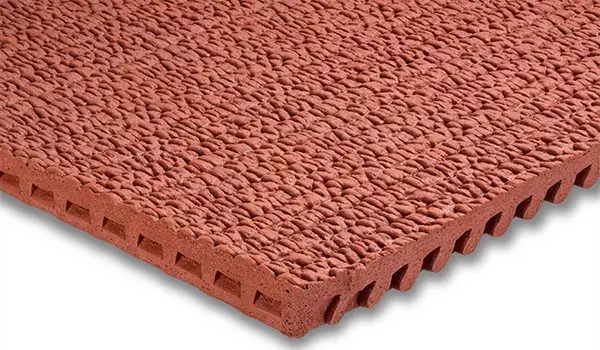
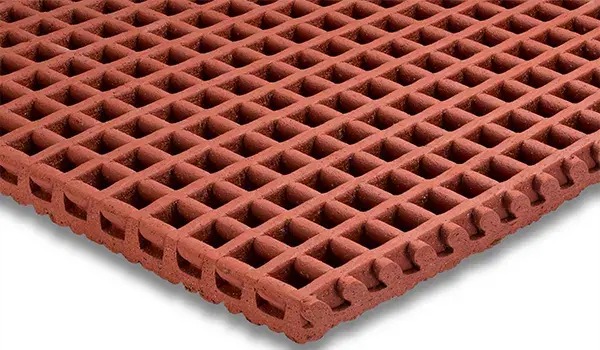
Prefabricated systems offer factory-controlled density and curing, resulting in uniform performance and predictable weather resistance. They often perform better in regions with extreme temperature swings because expansion and contraction behavior is consistent across the surface. Installation speed also reduces weather-related construction risks.
In-situ systems, while adaptable to complex layouts, are more sensitive to on-site temperature and humidity during installation. In extreme climates, improper curing can compromise bond strength and long-term durability. However, when executed under controlled conditions, they can still deliver High-performance athletics Rubber running track characteristics.
For facilities exposed to severe weather, prefabricated options often provide greater long-term reliability, especially where climate conditions are difficult to control during construction.

Compliance, Certification, and Long-Term Reliability Standards
Extreme weather amplifies the importance of compliance and certification. An IAAF certified athletics Rubber running track ensures that performance metrics such as force reduction, vertical deformation, and energy restitution meet international standards, regardless of environmental stress.
Certification testing simulates usage conditions but also indirectly reflects material quality and construction integrity. Tracks that meet IAAF certified criteria are more likely to maintain performance under heat, cold, and moisture extremes. Certification also provides assurance for competitive venues that require consistent conditions for record-eligible events.
Long-term reliability depends on how well certified performance metrics are retained over time. In extreme climates, uncertified systems may initially perform adequately but degrade rapidly. Selecting an IAAF certified athletics Rubber running track aligns compliance with durability, reducing lifecycle costs and minimizing disruptive repairs.
Maintenance Strategies to Preserve High-Performance in Extreme Conditions
Even the best athletics Rubber running track requires climate-appropriate maintenance to preserve performance. Extreme weather accelerates wear patterns, making preventive care essential rather than optional.
In hot climates, regular cleaning prevents surface oxidation and binder breakdown. In cold regions, timely snow and ice removal using non-abrasive methods protects elasticity. Drainage inspections after heavy storms ensure that water pathways remain clear and functional.
A High-performance athletics Rubber running track maintains its properties longer when maintenance protocols are aligned with environmental realities. Facilities that integrate climate-specific care schedules consistently report longer service life, improved athlete satisfaction, and lower total ownership costs.
Conclusion
Choosing the right athletics Rubber running track for extreme weather conditions requires a focused evaluation of material composition, drainage efficiency, structural design, certification, and maintenance strategy. Extreme climates magnify weaknesses while rewarding systems engineered for resilience, elasticity, and stability.
By prioritizing Professional, Outdoor all-weather, IAAF certified, and High-performance athletics Rubber running track solutions, facility owners can ensure consistent athlete safety, reliable performance, and long-term value. Climate-responsive selection is no longer optional—it is the foundation of sustainable athletic infrastructure in challenging environments.
FAQ
Q1: Why is climate-specific selection critical for an athletics Rubber running track?
Extreme weather accelerates material degradation, affects traction, and alters shock absorption. Climate-specific selection ensures safety and performance stability.
Q2: Are prefabricated tracks better for extreme temperatures?
In many cases, Prefabricated athletics Rubber running track systems offer more consistent performance under thermal stress due to controlled manufacturing.
Q3: How does certification relate to weather resistance?
An IAAF certified athletics Rubber running track meets performance thresholds that indirectly indicate higher material and structural quality.
Q4: Can proper maintenance offset extreme climate damage?
Yes. Climate-adapted maintenance significantly extends the lifespan and performance of a High-performance athletics Rubber running track.