Choosing the right outdoor sports surfaces is a critical decision that affects the safety, performance, and longevity of sports facilities. The surface you choose must be able to withstand local climate conditions while offering optimal performance for the athletes. From hot, dry climates to cold and snowy conditions, each climate requires a different approach when selecting the ideal outdoor sports surface.
In this article, we’ll explore how various outdoor sports surfaces perform under different weather conditions and provide you with detailed insights into which surfaces are best suited for each climate.
Understanding the Importance of Choosing the Right Surface
The outdoor sports surface you choose plays a vital role in athlete performance, injury prevention, and long-term facility maintenance. The climate and weather conditions in your region can significantly influence the performance and durability of different surfaces. A surface that works well in a dry, sunny climate might not be suitable for a region that experiences heavy rainfall or snow.
Whether you’re planning a new sports facility or upgrading an existing one, it’s essential to choose the best surface that meets both your performance requirements and environmental conditions.
How Weather Affects Outdoor Sports Surfaces
Before diving into the specifics of different outdoor sports surfaces, it’s important to understand how various weather conditions can impact the performance and maintenance of each surface type.
Impact of Rain and Wet Conditions
Surface Drainage Needs: Waterlogged surfaces can become dangerous and unplayable. Surfaces with poor drainage or high water absorption can lead to puddles and unsafe conditions.
Risk of Slipping: Wet surfaces increase the risk of athletes slipping and falling. This is particularly problematic for sports like football or track, where traction is essential.
Wear and Tear: Constant exposure to moisture can degrade surfaces over time, especially natural grass or certain types of synthetic turf that absorb water.
Effects of Extreme Heat
Heat Retention: Some surfaces, such as synthetic turf, can absorb and retain heat, making them uncomfortable to play on in high temperatures.
UV Degradation: Prolonged exposure to UV rays can cause some materials to break down over time, leading to surface fading or cracking.
Surface Expansion: Heat can cause certain materials, like rubber or polyurethane, to expand or soften, affecting their performance.
Cold and Snowy Conditions
Freezing and Thawing: Cold weather can freeze surfaces like natural grass, making them hard and brittle. This is especially problematic for fields that are used in multiple seasons.
Snow and Ice Management: For outdoor sports surfaces in snowy climates, snow and ice accumulation can be a significant issue. Regular removal is needed to maintain safe playing conditions.
Best Outdoor Sports Surfaces for Hot and Dry Climates
Hot, dry climates present unique challenges, such as high temperatures and limited rainfall. Surfaces in these regions need to be durable, UV-resistant, and require minimal water.
1. Synthetic Turf
Overview
Synthetic turf is designed to replicate natural grass but with added durability and less maintenance. It is made from synthetic fibers that are designed to resist the harsh effects of sun, heat, and dry conditions.
Benefits
Durability: Synthetic turf is highly resistant to wear and tear, making it ideal for areas with high foot traffic and extreme weather.
Minimal Maintenance: Unlike natural grass, synthetic turf doesn’t require watering, mowing, or fertilizing, saving on long-term maintenance costs.
UV Resistant: High-quality synthetic turf is designed to resist fading and damage from UV rays, making it an ideal choice for sunny, dry climates.
All-Weather Performance: Synthetic turf is designed to remain functional in both hot and cold temperatures.
Considerations
Heat Retention: In extremely hot weather, synthetic turf can absorb and retain heat. Cooling systems or water sprinklers may be necessary to lower the surface temperature.
Upfront Cost: While the installation of synthetic turf can be costly, the savings on maintenance and long-term durability make it a worthwhile investment in the long run.
2. Rubber Flooring
Overview
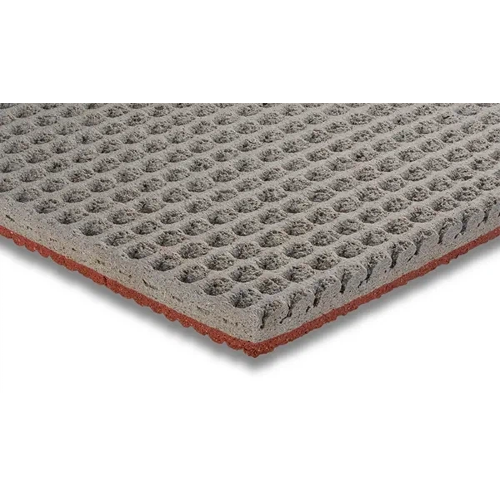
Rubber flooring, commonly used for running tracks, fitness zones, and playgrounds, is made from recycled rubber or virgin rubber. It’s ideal for high-impact sports and offers excellent durability.
Benefits
Shock Absorption: Rubber surfaces provide excellent shock absorption, reducing the risk of injury for athletes during intense physical activity.
UV Stability: Rubber is resistant to UV degradation, making it ideal for hot, sunny climates.
Low Maintenance: Rubber surfaces are relatively low maintenance and can withstand heavy use without significant wear.
Considerations
Surface Expansion: In extreme heat, rubber surfaces can soften or expand. It’s important to choose heat-resistant rubber options for hot climates.
Initial Installation Cost: Rubber flooring may require a higher initial investment compared to other surfaces, but it’s durable and cost-effective in the long run.
Best Outdoor Sports Surfaces for Wet and Humid Climates
Regions with high rainfall or humidity levels require surfaces that offer excellent drainage and resistance to moisture, while also reducing the risk of slipping.
1. Natural Grass
Overview
Natural grass remains a classic choice for many sports fields. It provides a natural feel and cushion for athletes, though it requires consistent maintenance.
Benefits
Soft Landing: Natural grass offers a soft, natural surface, ideal for sports like soccer and rugby, where players often dive or slide.
Aesthetic Appeal: Grass fields are visually appealing and provide a green, natural aesthetic for any facility.
Good Drainage: With proper installation and care, natural grass can drain rainwater effectively, preventing water buildup.
Considerations
High Maintenance: Natural grass requires regular mowing, irrigation, fertilizing, and reseeding. In wet climates, it can become muddy, requiring constant upkeep.
Vulnerability to Overuse: Grass fields in high-traffic areas may suffer from wear and tear, requiring rest periods to recover.
2. Polyurethane Surfaces
Overview
Polyurethane is a synthetic material used for track and field surfaces, as well as tennis courts and multi-sport facilities. It’s durable and resistant to moisture.
Benefits
Water Resistance: Polyurethane surfaces are water-resistant and can handle wet conditions without deteriorating.
Durability: Polyurethane is designed to last and withstand heavy use, making it perfect for humid or rainy climates.
Consistent Performance: Polyurethane offers a consistent playing surface with minimal maintenance, even in challenging weather conditions.
Considerations
Hard Surface: Polyurethane can be harder than grass or rubber, which could increase the risk of injury in certain sports. Cushioning layers can be added for better shock absorption.
Cost: Polyurethane surfaces are more expensive to install but offer long-term savings due to low maintenance requirements.
3. Rubber Flooring
Overview
Rubber flooring is an excellent choice for wet climates because of its water resistance and slip-resistant properties.
Benefits
Slip-Resistant: Rubber surfaces provide a high level of traction, which helps prevent slipping in wet conditions.
Water Drainage: Rubber flooring offers excellent drainage, preventing water buildup and ensuring a safe, dry surface for athletes.
Durability: Rubber surfaces are highly durable and perform well in humid environments.
Considerations
Wear Over Time: Although durable, rubber flooring can eventually wear out if exposed to excessive moisture. It’s important to regularly inspect the surface for signs of wear.
![outdoor sports surfaces]()
Best Outdoor Sports Surfaces for Cold and Snowy Climates
Cold and snowy conditions can wreak havoc on certain surfaces. Surfaces designed for cold climates need to withstand freezing temperatures and deal with snow and ice accumulation.
1. Synthetic Turf with Enhanced Drainage
Overview
Synthetic turf designed for cold climates features enhanced drainage systems that prevent water buildup and allow for better snow and ice management.
Benefits
Prevents Freezing: Turf with enhanced drainage allows water to flow through, preventing the surface from freezing in cold temperatures.
All-Season Play: Well-designed synthetic turf fields can be used year-round, even in snowy regions, as they are not affected by freezing temperatures.
Easy to Clear Snow: Synthetic turf can be easily cleared of snow and ice, ensuring the surface remains playable during winter months.
Considerations
Higher Installation Costs: Installing synthetic turf with advanced drainage systems may come at a higher cost.
Increased Maintenance in Snow: While snow can be cleared easily, it’s important to keep the turf dry during the winter months to prevent freezing.
2. Rubber Surfaces
Overview
Rubber is a resilient material that performs well in cold temperatures, providing excellent durability and impact resistance in snowy climates.
Benefits
Resilience in Cold Weather: Rubber surfaces maintain their performance in cold climates and do not become brittle or crack.
Snow and Ice Resistance: Rubber surfaces can handle snow and ice buildup, as they are designed to withstand freezing temperatures.
Long Lifespan: Rubber flooring is long-lasting and can be used for years in cold climates without significant degradation.
Considerations
Snow Removal: Snow must be regularly cleared from rubber surfaces to maintain safety and prevent ice buildup.
Cost of Installation: Like synthetic turf, rubber surfaces can be expensive to install, but they offer long-term value and durability.
How to Maintain Outdoor Sports Surfaces in Different Climates
Maintenance is crucial for extending the lifespan of outdoor sports surfaces and ensuring that they perform optimally in various weather conditions.
Maintenance in Hot Climates
Regular Brushing: For synthetic turf, brushing is required to prevent the fibers from flattening and to help with heat dissipation.
Watering Systems: Installing a watering system can help cool down synthetic turf surfaces on extremely hot days.
Inspect for UV Damage: Check for fading or cracking of synthetic turf and rubber surfaces due to UV exposure.
Maintenance in Wet Climates
Regular Drainage Checks: Ensure that drainage systems for rubber or polyurethane surfaces are working properly to avoid water buildup.
Cleaning: Clean rubber and polyurethane surfaces to remove debris that can lead to mold or mildew growth.
Grass Aeration: For natural grass, regular aeration helps prevent compaction and promotes drainage.
Maintenance in Cold Climates
Snow Removal: For all surfaces, regular snow and ice removal is essential to prevent surface damage and keep them safe.
Winterizing Synthetic Turf: Use sand or salt to prevent freezing on synthetic turf during the winter months.
Conclusion
Choosing the right outdoor sports surface for your climate is essential to ensure long-lasting performance, athlete safety, and overall satisfaction. Different surfaces perform uniquely under varying weather conditions, so understanding how they react to hot, dry, wet, or cold climates can help you make an informed decision. Whether you're looking for durability, low maintenance, or performance enhancement, there are surfaces designed to meet the demands of all types of weather, ensuring year-round playability.
If you're uncertain about which surface best suits your facility’s climate and specific needs, professional guidance is key. Huadongtrack offers expert consultation to help you select the ideal surface that balances performance, safety, and environmental factors. Their experienced team can provide valuable insights and assistance to ensure you make the right choice for your sports venue, maximizing both quality and longevity. Reach out today to discuss how they can support your project and help you create a top-tier sports facility.
FAQ
1. What is the best outdoor sports surface for hot climates?
Synthetic turf and rubber surfaces are ideal for hot climates. They are durable, UV-resistant, and require little maintenance, making them perfect for sunny, dry regions.
2. Can outdoor sports surfaces handle wet and rainy conditions?
Yes, surfaces like polyurethane and rubber flooring offer excellent water resistance and drainage, making them suitable for wet and humid climates.
3. How do cold and snowy climates affect outdoor sports surfaces?
Synthetic turf with enhanced drainage and rubber surfaces perform well in cold climates. These surfaces can resist freezing temperatures and are easier to maintain in snow and ice conditions.
4. How often should I maintain my outdoor sports surface?
Regular maintenance is necessary, including brushing synthetic turf, inspecting rubber surfaces for wear, and cleaning drainage systems, especially in wet or snowy climates.
5. Can I install a multi-sport facility in any climate?
Yes, but it's crucial to select the right surface for your climate. For example, synthetic turf is ideal for dry climates, while rubber flooring and polyurethane are better suited for wet or snowy conditions.