Contents
Introduction
Understand the Material Science Behind an Athletics Rubber Running Track
Precision Installation as the Foundation of Long-Term Durability
Maintenance Protocols That Significantly Slow Track Degradation
Climate, Environment, and Usage Control Strategies
Repair, Restoration, and Surface Renewal Techniques
Performance Monitoring and Lifecycle Planning
Conclusion
FAQ
Introduction
A well-constructed athletics Rubber running track is a long-term infrastructure investment designed to deliver consistent performance, athlete safety, and regulatory compliance over many years. However, even High-performance, Outdoor all-weather, and IAAF certified track systems are subject to mechanical stress, environmental exposure, and gradual material aging. The true determinant of longevity is not only material quality, but also how the track is installed, maintained, monitored, and repaired over time.
This article presents proven, field-tested methods to extend the lifespan of a Professional athletics Rubber running track, focusing exclusively on actionable strategies that directly influence durability, elasticity retention, and surface integrity. Every section is designed to support the same goal: maximizing service life while preserving performance standards.
Understand the Material Science Behind an Athletics Rubber Running Track
The lifespan of an athletics Rubber running track is rooted in its material composition and structural design. Rubber track systems typically consist of multiple functional layers, each serving a specific role in shock absorption, energy return, and wear resistance. Understanding how these layers interact allows facility managers to make informed decisions that prevent premature failure.
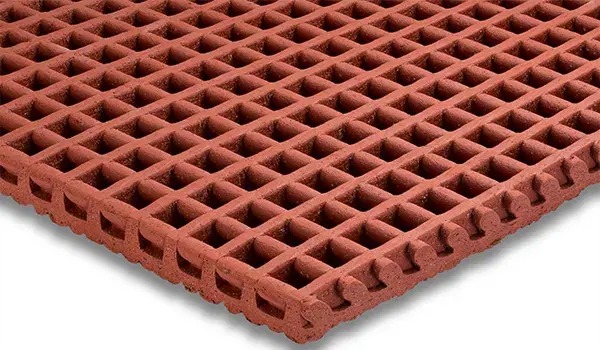
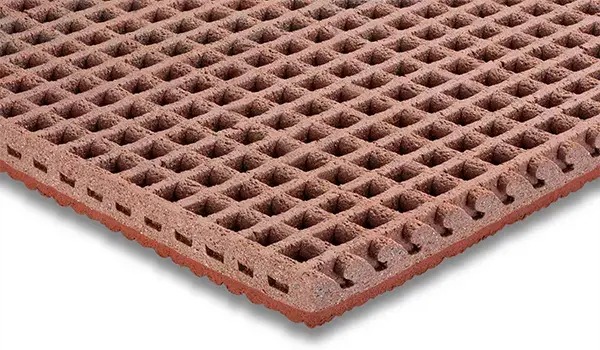
A High-performance athletics Rubber running track generally includes a resilient base layer for force dissipation and a dense surface layer engineered for traction and abrasion resistance. Prefabricated track systems often exhibit superior molecular uniformity due to controlled factory curing, while in-situ systems depend heavily on on-site workmanship. Both systems can achieve long lifespans when their material limits are respected.
Critical material vulnerabilities include UV degradation, oxidative aging, and micro-cracking caused by repeated spike impact. Outdoor all-weather athletics Rubber running tracks must also withstand temperature cycling, moisture infiltration, and airborne pollutants. Selecting elastomers with proven resistance to these stressors is essential, but equally important is aligning usage intensity with the track’s design specifications. Overloading a surface beyond its intended athletic profile accelerates polymer fatigue and surface hardening.
By recognizing that rubber elasticity is a finite resource rather than a permanent property, stakeholders can adopt preservation strategies that slow material breakdown and extend functional lifespan without sacrificing performance.

Precision Installation as the Foundation of Long-Term Durability
Installation quality has a direct, measurable impact on the lifespan of any athletics Rubber running track, regardless of how advanced the material system may be. Even IAAF certified surfaces can experience early failure if substrate preparation, leveling, or bonding processes are compromised.
A properly installed track begins with a structurally stable sub-base that ensures uniform load distribution. Minor inconsistencies beneath the surface can lead to stress concentration zones, resulting in localized cracking or delamination over time. For Professional athletics Rubber running track installations, moisture barriers, slope calibration, and expansion joint planning are non-negotiable elements.
Temperature and humidity conditions during installation also play a critical role. Rubber curing reactions are sensitive to environmental variables, and deviations can affect tensile strength and adhesion quality. Prefabricated athletics Rubber running tracks mitigate some of these risks by shifting critical curing processes to controlled environments, but precise on-site alignment and seam bonding remain essential.
The following table illustrates how installation variables influence long-term durability:
| Installation Factor | Impact on Lifespan | Long-Term Risk if Ignored |
| Sub-base flatness | Even stress distribution | Surface cracking |
| Adhesive bonding | Layer cohesion | Delamination |
| Drainage design | Moisture control | Base layer degradation |
| Environmental control | Proper curing | Reduced elasticity |
Investing in precision during installation establishes a structural baseline that allows all subsequent maintenance strategies to be effective rather than reactive.
Maintenance Protocols That Significantly Slow Track Degradation
Routine maintenance is one of the most powerful tools for extending the lifespan of an athletics Rubber running track, yet it is often underestimated or inconsistently applied. Maintenance should be viewed as a preventive system rather than a cosmetic task.
Surface contamination is a primary accelerator of wear. Dust, sand, organic debris, and chemical residues increase abrasion and interfere with surface elasticity. Regular dry sweeping combined with low-pressure washing helps preserve the micro-texture of High-performance athletics Rubber running tracks without damaging the surface binder.
Another critical maintenance component is spike damage management. Even Professional and IAAF certified tracks are designed for regulated spike lengths only. Enforcing equipment standards and inspecting high-impact zones such as start lines and curves can prevent localized surface erosion from spreading.
Seasonal inspections are equally important for Outdoor all-weather athletics Rubber running tracks. Thermal expansion, freeze-thaw cycles, and UV exposure introduce gradual changes that may not be immediately visible. Early identification of surface hardening, discoloration, or micro-fractures allows for timely intervention that prevents deeper structural damage.
A structured maintenance schedule, aligned with usage intensity and climate conditions, can slow degradation rates dramatically and preserve both safety and performance metrics.
Climate, Environment, and Usage Control Strategies
Environmental exposure is an unavoidable factor in the lifespan equation of an athletics Rubber running track, but its impact can be actively managed through strategic controls. Climate-specific planning is essential for Outdoor all-weather systems that operate year-round.
UV radiation is a leading cause of polymer aging, resulting in surface brittleness and color fading. Applying UV-stabilizing surface treatments at recommended intervals can significantly delay this process. Similarly, managing surface temperature through shading structures or light-colored surrounding materials reduces thermal stress during extreme heat conditions.
Usage control is another critical but often overlooked variable. Tracks designed for competitive athletics may experience accelerated wear when subjected to non-athletic activities such as vehicle access, heavy equipment staging, or unsupervised recreational use. Establishing access protocols and usage zoning preserves high-stress areas and extends overall lifespan.
By aligning environmental protection strategies with disciplined usage management, facilities can maintain the structural and functional integrity of High-performance athletics Rubber running tracks far beyond baseline expectations.

Repair, Restoration, and Surface Renewal Techniques
Even with optimal care, every athletics Rubber running track will eventually require targeted repairs to maintain performance and safety. The key to lifespan extension lies in addressing damage at the earliest possible stage.
Localized repairs, such as crack sealing or surface patching, prevent moisture ingress and halt stress propagation. These interventions are most effective when material compatibility is maintained, ensuring that repaired zones respond similarly to load and temperature changes as the original surface.
Surface rejuvenation techniques, including elastic recoating and texture renewal, can restore grip and elasticity without full replacement. For Prefabricated athletics Rubber running tracks, modular section replacement offers a cost-efficient method to address high-wear zones while preserving the rest of the system.
Timely repair strategies transform inevitable wear into manageable maintenance events, allowing Professional and IAAF certified tracks to maintain compliance and usability over extended periods.
Performance Monitoring and Lifecycle Planning
Extending the lifespan of an athletics Rubber running track requires data-driven decision-making rather than reactive maintenance. Performance monitoring provides measurable indicators of material aging and functional decline.
Key metrics include surface hardness, force reduction, vertical deformation, and friction consistency. Tracking these parameters over time reveals degradation trends and helps determine optimal intervention points. High-performance athletics Rubber running tracks benefit most from scheduled testing, particularly in competitive facilities where performance consistency is critical.
Lifecycle planning integrates monitoring data with budget forecasting and usage projections. Rather than deferring maintenance until failure occurs, facilities can plan phased interventions that maximize return on investment and minimize downtime.
This strategic approach ensures that the track’s functional lifespan aligns with its intended service horizon rather than being dictated by preventable deterioration.
Conclusion
The longevity of an athletics Rubber running track is not determined by material quality alone, but by a comprehensive system of informed decisions spanning installation, maintenance, environmental control, and performance monitoring. Professional, Prefabricated, IAAF certified, and Outdoor all-weather track systems all benefit from proactive strategies that respect material limits while optimizing usage conditions.
By applying the proven methods outlined in this article, facility owners and managers can significantly extend the service life of their High-performance athletics Rubber running tracks, preserving safety, performance, and value for years beyond standard expectations.
FAQ
Q1: How long can an athletics Rubber running track realistically last?
With proper installation, disciplined maintenance, and timely repairs, a Professional athletics Rubber running track can maintain functional performance for 10–15 years or longer, depending on usage intensity and climate conditions.
Q2: Do Prefabricated tracks last longer than in-situ systems?
Prefabricated athletics Rubber running tracks often show more consistent material properties, which can contribute to longer lifespans when combined with correct installation and maintenance.
Q3: Is regular cleaning really that important?
Yes. Routine cleaning reduces abrasive wear and prevents chemical contamination, both of which directly impact the lifespan of High-performance athletics Rubber running tracks.
Q4: Can surface recoating extend track life?
Surface recoating can restore elasticity and grip, effectively extending the usable life of an Outdoor all-weather athletics Rubber running track when applied at the right stage of wear.