Contents
Introduction
The Structural Shift Behind Modern Athletics Rubber Running Track Systems
Installation Efficiency as a Decisive Advantage Over Tartan
Performance Consistency and Athlete Safety Improvements
Long-Term Cost Efficiency and Lifecycle Value
Environmental and Climate Adaptability of Prefabricated Rubber Tracks
Compliance, Standardization, and Professional Competition Readiness
Maintenance Simplicity and Operational Reliability
Conclusion
FAQ
Introduction
Over the past decade, the global athletics infrastructure landscape has undergone a quiet but decisive transformation. Facilities that once defaulted to traditional Tartan surfaces are increasingly turning to Prefabricated athletics Rubber running track systems as their preferred solution. This shift is not driven by trends or aesthetics, but by measurable improvements in installation efficiency, performance stability, cost control, and long-term usability. As competition standards rise and facility managers face tighter timelines and budgets, prefabricated rubber systems are redefining what a modern High-performance athletics Rubber running track should deliver.
The Structural Shift Behind Modern Athletics Rubber Running Track Systems
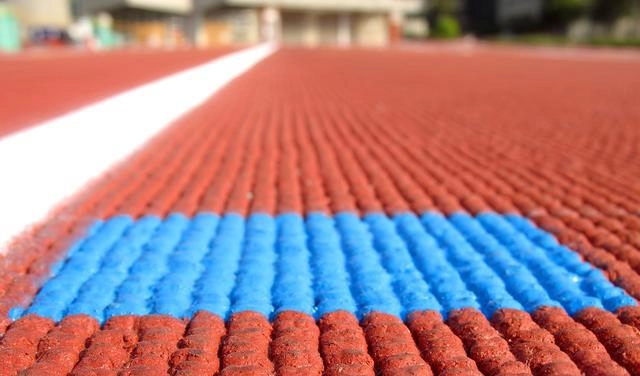
Traditional Tartan surfaces are typically installed through on-site mixing and pouring processes. While this method has been widely used for decades, it introduces variability at nearly every stage—material ratios, curing conditions, and weather exposure all affect final performance. In contrast, Prefabricated athletics Rubber running track systems are manufactured in controlled factory environments, ensuring uniform density, thickness, and elasticity before reaching the installation site.
This structural consistency directly addresses one of the most persistent challenges of Tartan surfaces: uneven performance across lanes or sections. Factory-controlled production allows prefabricated tracks to meet strict tolerances required for Professional and IAAF certified athletics Rubber running track facilities. As a result, athletes experience predictable traction, energy return, and shock absorption across the entire surface.
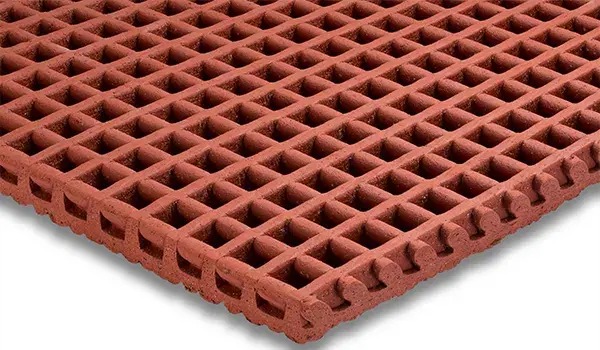
Another critical structural difference lies in bonding integrity. Prefabricated sheets are vulcanized or chemically bonded under controlled conditions, reducing micro-voids and internal weaknesses that often develop in poured systems. This structural reliability is a key reason prefabricated tracks are becoming the default choice for modern outdoor stadiums and training complexes.

Installation Efficiency as a Decisive Advantage Over Tartan
One of the most compelling reasons prefabricated rubber systems are replacing Tartan is installation efficiency. Traditional Tartan requires multiple on-site processes: base preparation, material mixing, pouring, leveling, curing, and surface finishing. Each step is weather-dependent and labor-intensive, increasing both time and risk.
By contrast, Prefabricated athletics Rubber running track systems arrive ready for installation. Sheets are bonded directly onto the prepared base, dramatically reducing installation time and eliminating variability caused by temperature and humidity. This advantage is particularly critical for Outdoor all-weather athletics Rubber running track projects, where weather delays can derail schedules.
From a project management perspective, faster installation translates to predictable delivery timelines, lower labor costs, and reduced downtime for existing facilities. Schools, municipalities, and professional venues increasingly favor prefabricated systems because they allow tracks to be operational weeks earlier than Tartan alternatives.
Additionally, prefabrication minimizes on-site waste and material loss. With no need for large-scale mixing or pouring, project sites remain cleaner and more controlled—an often-overlooked but meaningful benefit.
Performance Consistency and Athlete Safety Improvements
Athlete performance is directly influenced by surface behavior. Traditional Tartan surfaces can suffer from inconsistent elasticity due to uneven curing or material distribution. These inconsistencies may seem minor, but over time they contribute to uneven load distribution on joints and muscles.
High-performance athletics Rubber running track systems manufactured in prefabricated formats deliver consistent force reduction and energy restitution across all lanes. This consistency supports fair competition and reduces the risk of overuse injuries. For facilities hosting multi-level competitions, this reliability is non-negotiable.
Another safety advantage lies in surface texture. Prefabricated rubber tracks maintain uniform granule exposure and friction levels, even after extended use. Tartan surfaces, on the other hand, are more prone to granule loss and surface glazing, which can compromise grip—especially in wet conditions.
The predictable behavior of IAAF certified athletics Rubber running track systems also supports accurate timing and biomechanical analysis, which is increasingly important for elite training environments.
Long-Term Cost Efficiency and Lifecycle Value
While initial material costs are often cited as a comparison point, the true financial difference between Tartan and prefabricated systems emerges over the full lifecycle of the track. Traditional Tartan surfaces typically require more frequent resurfacing, patch repairs, and performance revalidation due to localized degradation.
Prefabricated rubber tracks distribute stress more evenly across the surface, slowing wear patterns and extending usable lifespan. When damage does occur, repairs are localized and modular—entire sections can be replaced without disrupting the rest of the track.
Lifecycle Cost Comparison
| Aspect | Traditional Tartan Surface | Prefabricated Rubber Track |
| Installation Time | Long, weather-dependent | Short, predictable |
| Performance Uniformity | Variable | Highly consistent |
| Repair Method | On-site re-pouring | Modular section replacement |
| Maintenance Frequency | High | Low |
| Lifecycle Cost | Higher over time | Lower long-term |
For facility owners managing multiple venues, these savings compound significantly. Over 10–15 years, Prefabricated athletics Rubber running track systems consistently demonstrate superior return on investment.
Environmental and Climate Adaptability of Prefabricated Rubber Tracks
Climate resilience is another area where prefabricated systems outperform traditional Tartan. On-site poured surfaces are highly sensitive to temperature and humidity during installation, which can permanently affect material properties.
Factory-produced rubber sheets are cured under optimal conditions, ensuring stable performance regardless of local climate. Once installed, Outdoor all-weather athletics Rubber running track systems maintain elasticity and color stability across extreme temperature ranges.
Environmental impact is also increasingly relevant. Prefabricated production reduces material waste, improves resource efficiency, and supports cleaner installation sites. Many systems are compatible with recyclable rubber content, aligning with sustainability goals without compromising performance.
In regions with frequent rainfall, prefabricated tracks also offer superior drainage behavior due to engineered backing layers, reducing water retention and surface slipperiness.

Compliance, Standardization, and Professional Competition Readiness
Meeting international competition standards is no longer limited to elite stadiums. Schools, training centers, and regional venues increasingly seek IAAF certified athletics Rubber running track surfaces to future-proof their facilities.
Prefabricated systems simplify compliance by offering standardized thickness, shock absorption, and friction values that are tested before installation. This reduces the risk of post-installation certification failure, which is more common with poured Tartan surfaces.
For Professional athletics Rubber running track environments, this standardization ensures fairness across events and simplifies event approval processes. Facility operators benefit from reduced administrative burden and greater flexibility in hosting competitions.
As global standards continue to evolve, prefabricated systems offer adaptability through modular upgrades rather than full surface replacement.
Maintenance Simplicity and Operational Reliability
Operational reliability is often overlooked during the initial design phase but becomes critical over years of use. Traditional Tartan surfaces require specialized repair teams and extended downtime for curing after maintenance work.
Prefabricated rubber tracks significantly reduce these challenges. Routine cleaning, line repainting, and localized repairs can be completed quickly, often without closing the entire facility. This reliability is particularly valuable for multi-use venues with tight scheduling demands.
Surface integrity also remains visually consistent over time. Prefabricated systems resist common issues such as bubbling, cracking, and delamination that frequently affect poured surfaces exposed to heavy use.
For facility managers, this translates into fewer emergency repairs, lower annual maintenance budgets, and improved user satisfaction.
Conclusion
The replacement of traditional Tartan surfaces by Prefabricated athletics Rubber running track systems is the result of clear, measurable advantages rather than shifting preferences. From structural consistency and installation efficiency to athlete safety, lifecycle cost control, and regulatory compliance, prefabricated rubber tracks address the real-world challenges faced by modern athletics facilities.
As performance expectations rise and operational constraints tighten, prefabricated solutions represent a practical evolution—one that aligns High-performance, Professional, and Outdoor all-weather athletics Rubber running track requirements into a single, reliable system. The transition away from Tartan is not a rejection of tradition, but an adoption of better-engineered outcomes.
FAQ
Q1: Are prefabricated rubber running tracks suitable for professional competitions?
Yes. Many IAAF certified athletics Rubber running track systems are prefabricated and designed specifically to meet international competition standards.
Q2: How long does a prefabricated rubber track typically last?
With proper maintenance, a High-performance athletics Rubber running track can maintain optimal performance for 10–15 years or longer.
Q3: Can prefabricated tracks be installed in extreme climates?
Yes. Factory-controlled production ensures consistent material behavior, making Outdoor all-weather athletics Rubber running track systems highly climate-resilient.
Q4: Is maintenance more complex than Tartan surfaces?
No. Prefabricated systems generally require less frequent and less invasive maintenance than traditional poured Tartan surfaces.
Q5: Are prefabricated tracks more expensive initially?
Initial costs can be comparable, but lifecycle costs are typically lower due to reduced maintenance and longer service life.