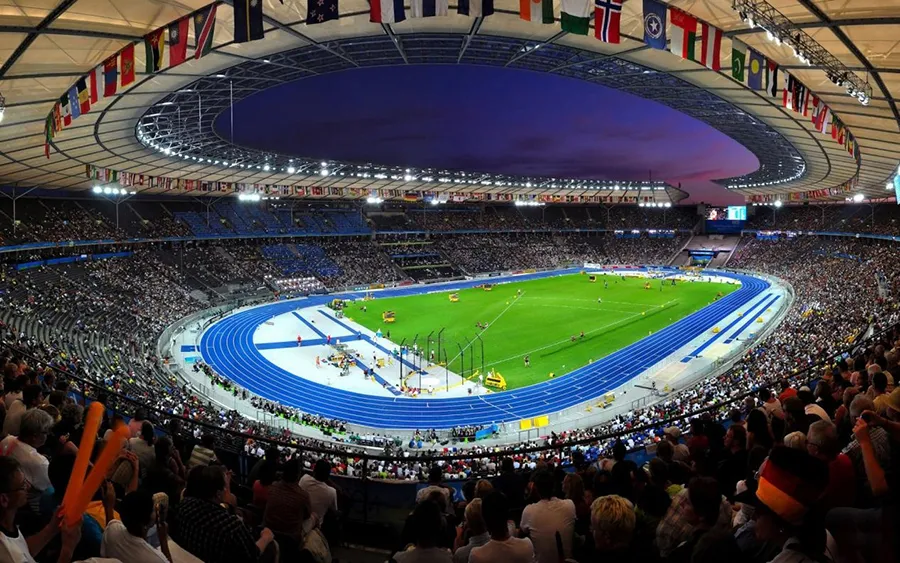
Embarking on the construction of a running track requires meticulous planning and adherence to specific guidelines. This comprehensive article serves as a detailed guideline, providing essential insights and considerations for the successful execution of a running track construction project.
Understand Different Dimensions of the Running Track
When embarking on the construction of a running track, understanding the dimensions is paramount. The following sections outline various dimensions for different types of running tracks to cater to diverse needs.
1. Standard World Athletics / Olympic / NCAA, 400-meter running track dimensions
400 meters or 1,312.3 feet long (first lane)
Oval-shaped track: 176.91 meters long, 92.5 meters wide
Typically 8 lanes of 1.22 meters wide
Total area requirement: 157,092 square feet or 14,594 square meters
Regulated by the World Athletics (WA), this size is the minimum required for official competitions. It’s crucial to note that while the first lane measures exactly 400 meters, each subsequent lane varies slightly due to the oval’s curvature, peaking at 453.7 meters in the eighth lane.

2. 300-meter running track dimensions
Unusual size, built when space is limited
Running lanes: 1.22 meters wide
Oval-shaped track: 129.16 meters long, 89.12 meters wide
Total area required: 10,305 square meters or 110,922 square feet
The 300-meter running track is gaining popularity, particularly in high schools and smaller colleges, offering a 20% reduction in size compared to a 400-meter track. Ideal for those with space constraints or not planning high-level competitions.

3. Indoor running track dimensions
Oval-shaped track: 88.455 meters long, 46.25 meters wide
Running lane width: 0.9 – 1.22 meters
Space requirement for a 6-lane indoor track: 78,546 square feet or 7,297 square meters
Indoor running tracks are popular options for sports facilities, especially in areas with inclement weather. Typically following WA or NCAA standards, these tracks are 200 meters long with 6 running lanes. While there are no official standards for indoor tracks, most follow best practices, and an experienced running track installation partner can assist in determining the ideal size and shape.

4. 200-meter running track dimensions
Oval-shaped track: 88,455 meters long, 46.25 meters wide
Running lane width: 0.9 – 1.22 meters
Space requirement for a 6-lane track: 78,546 square feet or 7,297 square meters
For even smaller spaces, a 200-meter running track is suitable for high schools and elementary schools, as well as community recreation centers.

5. Sprint track dimensions
Designed for 50, 60, and 100-meter dashes
A straight line shape with 4-6 running lanes, each 1.22 meters wide
Length: 60-100 meters, width: 4.88 – 7.32 meters
Occupies an area of 292.8 – 732 square meters
Sprint tracks, designed for short-distance running, offer space-saving solutions with 4 to 6 lanes and lengths of 100 or 200 meters.

6. 400-meter running track with a football field inside
400 meters or 1,312.3 feet long (first lane)
Oval-shaped track: 176.91 meters long, 92.5 meters wide
Standard American football field: 360 feet long, 160 feet wide
When maximizing available space is essential, integrating a football field within a 400-meter track creates a multi-use venue.

7. 400-meter running track with a soccer field inside
400 meters or 1,312.3 feet long (first lane)
Oval-shaped track: 176.91 meters long, 92.5 meters wide
Soccer field dimensions vary but typically range between 330 – 360 feet long and 210 – 240 feet wide.
Similar to the football field scenario, incorporating a soccer field within a 400-meter track creates a versatile multi-sport venue.

Be Clear About Your Purpose for Choosing the Running Track
When choosing a running track, it is crucial to have a clear understanding of your purpose and goals. Are you aiming to host high-level competitions or do you simply want a track for recreational use? Once you have identified your objectives, you can then determine the appropriate dimensions and facilities needed for your track and field venue.
For those looking to use the track for professional competitions, it is important to adhere to the standard dimensions set by international organizations such as the IAAF, Olympic, and NCAA. These organizations have specific requirements for track dimensions to ensure fair and optimal conditions for athletes. By following these standards, you can create a track that meets the criteria for hosting high-level competitions.
On the other hand, if your goal is to have a track for recreational use or smaller-scale competitions, you have more flexibility in choosing the dimensions. You may opt for an alternative length track, such as a 300-meter or 200-meter track. These tracks are often used for training purposes or for hosting local competitions.
Running Track Facility Arrangement and Layout Design
Efficient organization and meticulous layout design are pivotal components in creating a successful and functional track facility. The strategic considerations involved encompass a multitude of factors that not only enhance the overall effectiveness of the venue but also prioritize safety and user experience.
1. Functional zones
Starting Area: Designate a well-defined starting area with proper markings and equipment for sprinting events. Ensure that starting blocks are evenly spaced and securely anchored to the track surface.
Finish Line: Demarcate the finish line with prominent markings and a visible electronic timing system for accurate race results.
Field Event Areas: Strategically position field event areas such as long jump, triple jump, high jump, and pole vault to optimize space and facilitate smooth event transitions.
Throwing Circles: Design throwing circles for shot put, discus, and javelin events with ample space between each to ensure athlete safety and unobstructed competition.
2. Lane configuration
Standardization: Ensure that all lanes are standardized in width and adhere to international regulations. Consistent lane dimensions contribute to fair competition and accurate race results.
Markings and Numbers: Mark each lane with distinct numbers for easy identification. Employ contrasting colors for lane markings to enhance visibility for both athletes and officials.
Lane Surfaces: Use high-quality materials for lane surfacing to provide optimal traction and reduce the risk of injuries. Regular maintenance is essential to uphold the track’s integrity over time.
3. Spectator considerations
Seating Arrangements: Strategically plan spectator seating to offer unobstructed views of the entire track. Consider elevated seating for a better perspective, especially near the finish line.
Amenities: Include necessary amenities such as restrooms, concessions, and first aid stations for spectators’ convenience. Well-designed spectator areas contribute to a positive overall experience.
4. Accessibility and inclusivity
ADA Compliance: Ensure that the facility adheres to the Americans with Disabilities Act (ADA) standards, providing accessible ramps, pathways, and seating for individuals with disabilities.
Inclusive Design: Consider inclusive design principles to accommodate athletes of all abilities. Implement features such as guide rails for visually impaired athletes and accessible entry points.
5. Lighting and security
Lighting Design: Install adequate lighting to facilitate evening events and ensure the safety of athletes and spectators. Lighting should be evenly distributed across the entire track and field areas.
Security Measures: Implement security measures such as surveillance cameras and secure entry points to safeguard the facility. Well-lit areas contribute to enhanced security.
6. Landscaping and aesthetics
Green Spaces: Incorporate well-maintained green spaces around the facility for a visually appealing and welcoming atmosphere. Landscaping enhances the overall aesthetics and promotes a positive environment.
Branding and Signage: Integrate branding elements and informative signage for direction and event information. Consistent branding fosters a sense of identity for the facility.
The arrangement and layout design of a running track facility demands a holistic approach that prioritizes functionality, safety, and a positive user experience. By meticulously considering these strategic elements, a track facility can fulfill its potential as a hub for athletic excellence and community engagement.
Indispensable Facilities for the Track and Field Venue
Identifying and prioritizing essential amenities is vital to the success of a track and field venue, catering to the diverse needs of athletes, coaches, and spectators. A comprehensive venue should include the following facilities:
1. Athlete amenities
Locker Rooms: Spacious and well-equipped locker rooms provide athletes with a secure space to prepare for and recover from competitions.
Showers and Changing Areas: Adequate shower and changing facilities contribute to athlete comfort and hygiene.
Athlete Medical Support: Access to on-site medical facilities and qualified staff ensures prompt attention to any injuries or medical needs.
2. Coaching and training facilities
Coach Viewing Areas: Designated areas for coaches to observe and analyze athletes’ performances during training sessions and competitions.
Meeting Rooms: Spaces for coaches to strategize, review performances, and conduct team meetings contribute to effective coaching.
3. Spectator facilities
Grandstands: Well-designed grandstands provide comfortable seating for spectators, ensuring an unobstructed view of the track and field events.
Concessions and Restrooms: Convenient access to concessions and restrooms enhances the overall spectator experience during events.
4. Officials’ stations
Judges’ Stands: Elevated stations for judges and officials to oversee competitions and ensure fair play.
Control Center: A central control center equipped with technology for timing, scoring, and event coordination.
5. Community spaces
Multi-Purpose Rooms: Flexible spaces for community events, meetings, and gatherings, fostering a sense of community engagement.
Educational Facilities: Incorporate spaces for educational programs, workshops, and seminars related to athletics and health.
6. Safety and security measures
First Aid Stations: Easily accessible first aid stations equipped with necessary medical supplies and staff.
Security Personnel: Trained security personnel and surveillance systems to ensure the safety of athletes, coaches, and spectators.
7. Equipment storage
Equipment Rooms: Secure storage areas for track and field equipment, ensuring proper maintenance and longevity of equipment.
8. Accessibility features
Accessible Entrances: Well-designed entrances and pathways to accommodate individuals with disabilities.
Seating Accessibility: Inclusive seating options for spectators with mobility challenges.
How to Secure Financing for the Establishment of Athletic Track Construction?
Athletic track construction necessitates careful financial planning. Exploring various avenues for securing funding is crucial to the success of the project. Consider the following strategies:
Grants and funding opportunities
Research Grant Programs: Identify and apply for grants offered by government agencies, private foundations, and sports organizations dedicated to promoting athletic facilities.
Local Community Grants: Explore grants specific to your local community that support recreational and sports infrastructure projects.
Sponsorships and partnerships
Corporate Sponsorships: Seek partnerships with local businesses and corporations interested in supporting community sports initiatives.
Naming Rights Opportunities: Offer naming rights for specific areas within the facility to attract sponsors.
Community fundraising
Crowdfunding Campaigns: Engage the community through crowdfunding platforms to raise funds for the facility. Offer incentives for individuals and businesses contributing to the campaign.
Community Events: Organize fundraising events, such as charity runs, sports tournaments, and auctions, to involve the community and generate financial support.
Public-private partnerships
Collaborate with Local Authorities: Explore partnerships with local governments or municipal bodies to share costs and resources for track and field construction and maintenance.
Calculate Running Track Construction Cost at an Early Stage
Estimating the cost of running track construction is a critical initial step in the planning process. Consider these key factors for a comprehensive budget:
Materials costs: Research and estimate the cost of high-quality materials for the track surface. Include costs for infrastructure materials like base layers and drainage systems.
Labor expenses: Estimate track and field construction labor costs, covering tasks such as excavation, material laying, and surfacing. Consider specialized labor costs for equipment operators and technicians.
Additional facilities: Factor in costs for athlete facilities, coaching areas, spectator stands, and other necessary amenities. Budget for security systems, first aid stations, and safety measures.
Contingency fund: Allocate a contingency fund to address unforeseen circumstances or additional expenses during the construction of the running track.
Environmental considerations: If necessary, budget for an environmental impact assessment and any required mitigations.
Consultation and planning Fees: Include fees for professional consultations, architectural design, and engineering services.
This concise guide ensures a thorough early-stage assessment of running track construction costs, laying the foundation for a successful project.
Recommended Huadong Track products for international sporting events:
Goter Prefabricated Environmental Rubber Track
Recommended products for educational facility tracks:
Goder Prefabricated Environmental Rubber Track
Recommended products for fitness trails:
Gomer Prefabricated Environmental Rubber Track
If you have any questions or concerns regarding track installation for international sporting events or educational facilities, please feel free to contact our expert team! We're always here to answer your questions!
CONTACT HUADONG