Procuring materials for massive athletic facilities is a high-stakes game. Tiny miscalculations cause massive headaches for everyone involved. Miscalculating Minimum Order Quantities (MOQ) or lead times in B2B flooring procurement leads to stalled construction schedules. You might face budget-breaking expedited shipping costs or end up with mismatched dye lots. A successful procurement strategy aligns facility handover dates with realistic global manufacturing timelines. It ensures exact specification matches without accumulating an excessive surplus. You need a reliable framework to navigate these complex supply chains. This guide breaks down how to audit your project requirements accurately. We map realistic delivery timelines from the factory floor to your building. We will show you how to vet suppliers properly to mitigate project delays. You will learn exactly how to secure the right materials exactly when you need them.
Key Takeaways
MOQ is rarely a rigid number; it fluctuates based on standard versus custom specifications (thickness, color, and shock absorption ratings).
Accurate order planning must include a 5–10% margin for cutting waste, plus mandatory "attic stock" for future localized repairs.
True lead times extend beyond manufacturing and shipping—they must account for site preparation and mandatory material acclimation periods.
Partnering with an integrated commercial sports flooring supplier reduces middleman friction and provides transparent production schedules.
Understanding MOQ Drivers in Commercial Sports Flooring
Factories do not set Minimum Order Quantities arbitrarily to frustrate buyers. They enforce MOQs to cover the massive costs of calibrating machinery. Batch mixing rubber or synthetic compounds requires significant raw material minimums. When a factory changes production lines for a new color, they lose time. They must produce a specific volume to remain profitable during that run. You must understand these physical limitations when planning your purchase.
Standard inventory options typically carry lower MOQs for buyers. These products are readily available from warehoused stock around the world. You can order them in smaller batches quickly. Custom runs present a completely different scenario for your procurement team. They require much higher MOQs to justify specialized color matching processes. You might need unique performance thicknesses for specific athletic activities. Facilities often request custom logos or specific school colors. These unique demands push the minimum threshold higher.
Ordering below your actual required threshold is a dangerous gamble. You risk running short during the final days of the installation process. If you need more material quickly, you will face secondary MOQs. The factory will not mix a tiny batch just to finish your court. You might receive mismatched dye lots because the new batch mixes differently. Compounded shipping delays will almost certainly push your facility opening back by weeks.
Common Mistakes to Avoid:
Guessing your waste percentages based on standard carpet installations.
Assuming factories hold extra custom colors in reserve.
Ignoring the setup fees associated with small-batch production runs.
Aligning Order Quantities with Commercial Sports Flooring Specifications
Auditing your space requires more than just measuring simple square footage. You must account for irregular room shapes and complex bleacher cutouts. Multi-sport court lines require specific zones and material transitions. You need a detailed takeoff to map every inch accurately. A proper audit evaluates doorways, storage alcoves, and seating transition areas.
Factoring in waste and overage is non-negotiable for project success. Standard installation waste typically consumes 5–8% of your order volume. This depends heavily on the directional pattern of the material. Complex herringbone patterns generate far more scrap than straight layouts. Facility management also mandates "attic stock" for future maintenance needs. You should plan for an additional 2–5% to handle localized repairs down the road. Keeping attic stock from the same dye lot prevents ugly color patches later.
Strict adherence to performance standards heavily impacts your procurement process. Complying with commercial sports flooring specifications limits off-the-shelf inventory. Certifications from FIBA or BWF demand precise manufacturing tolerances. You might need specific point-elastic or area-elastic properties for player safety. These strict requirements necessitate highly accurate MOQ planning upfront. You cannot simply buy substitute commercial sports flooring if your primary order falls short.
Here is a systematic approach to audit your space correctly:
Measure the total usable footprint of the primary athletic area.
Identify all non-standard architectural features, such as retractable bleacher recesses.
Calculate the exact square footage of transition zones between different sports.
Add the industry standard waste margin based on your chosen roll width.
Calculate the mandated attic stock percentage required by the building owner.
![Commercial Sports Flooring Lead Time Timeline]()
The Realistic Lead Time Timeline: From Bid to Acclimation
Understanding the true timeline helps you manage stakeholder expectations effectively. Many buyers only consider the active production and shipping phases. True lead times cover the entire journey from order finalization to the finished floor. You must account for every administrative and physical step.
Phase 1: Procurement & Production (Weeks 1-4)
This phase includes order finalization and detailed shop drawing approvals. Architects must review the seam layouts before production starts. Once approved, your order enters the active manufacturing queue. Specialized performance materials often face longer queue times during peak building seasons.
Phase 2: Transit & Customs (Weeks 5-10)
Global freight introduces significant variables into your delivery schedule. You must navigate port congestion risks and complex inland transport scheduling. Customs clearance can arbitrarily add days or weeks to your timeline. Roll materials require specialized heavy-freight handling from the port to the site.
Phase 3: Staging & Acclimation (Week 11)
This is a critical implementation reality. Materials must sit in the climate-controlled facility for 48–72 hours prior to installation. Rubber and hardwood expand or contract based on ambient humidity. This acclimation period prevents warping or bubbling after the glue sets.
Project managers must build a 15% time buffer into their critical path. Delays in customs or extreme weather can easily disrupt tight schedules. Building a buffer prevents last-minute panic and expensive overtime labor.
Procurement and Installation Phase Breakdown
| Project Phase | Typical Duration | Key Activities | Major Risk Factors |
| Procurement & Production | 1 to 4 Weeks | Drawing approvals, raw material sourcing, factory queueing, batch mixing. | Delayed architect sign-offs, sudden raw material shortages. |
| Transit & Customs | 5 to 10 Weeks | Ocean freight transit, port unloading, customs clearance, inland trucking. | Port strikes, severe weather events, container shortages. |
| Staging & Acclimation | 1 Week | Material unloading, temperature stabilization, humidity acclimation. | HVAC system not operational in the building. |
How Product Type Influences Procurement Timelines
The physical nature of the material dictates your installation schedule. You must weigh the timeline differences between cast-in-place and prefabricated systems. Cast-in-place poured polyurethane systems are highly weather and temperature dependent. You must wait for multiple layers to cure directly on-site. High humidity can ruin a poured surface mid-installation. This adds unpredictable days to your overall project timeline. Prefabricated rolls offer much more stability and predictability.
Material Comparison Chart
| System Type | Installation Speed | Weather Dependency | Timeline Predictability |
| Cast-in-Place Poured Systems | Slow (Requires layer curing) | High (Temperature/Humidity sensitive) | Low (Prone to on-site delays) |
| Prefabricated Roll Systems | Fast (Unroll and adhere) | Low (Indoor acclimation only) | High (Factory-controlled) |
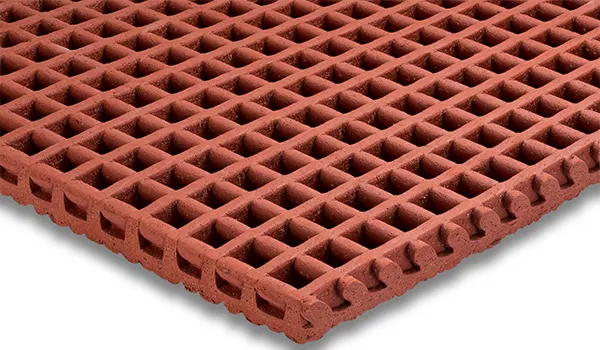
Consider specific solutions like the goter prefabricated environmental rubber track. The major advantage lies in factory-controlled curing conditions. This strict environment ensures consistent shock absorption across the entire surface. You also benefit from rapid on-site deployment. Workers simply unroll and adhere the material to the prepared subfloor. This skips the messy chemical mixing process entirely.
However, these solutions carry strict requirements for procurement teams. Prefabricated materials from brands like goder require precise upfront measurement. You must align your MOQ perfectly before production begins. If you run out during installation, you cannot simply "pour more" material to fill the gap. You must wait for a completely new batch to ship.
Evaluating a Commercial Sports Flooring Supplier for Supply Chain Reliability
Vetting your vendor separates a reliable partner from a risky liability. You must look closely at their operational structure before signing contracts. Assessing their capabilities protects your construction schedule from catastrophic failures.
Assess whether they are a factory-direct provider or a third-party broker. Factory-direct suppliers control the manufacturing floor entirely. They can adjust schedules to prioritize urgent project requirements. Brokers are always at the mercy of third-party production queues. Ask about transparency in their Service Level Agreements (SLAs). Do they provide guaranteed departure dates? Or do they only offer vague delivery windows?
Watch out for glaring red flags during negotiations:
Unusually low MOQs on custom products. This often suggests they are selling leftover batch mixing from old orders.
Extremely aggressive lead times that ignore global freight realities. No supplier can magically bypass congested shipping ports.
Refusal to provide physical product samples before final payment.
Look for green flags that indicate a strong partnership:
A reliable commercial sports flooring supplier willingly holds buffer stock for your project.
They offer transparent GPS tracking for your ocean and inland shipments.
They provide clear documentation of athletic compliance certifications immediately upon shipping.
Mitigation Strategies: Avoiding Facility Downtime During Delays
Even the best plans encounter unexpected hurdles along the way. You need robust mitigation strategies to keep the project moving forward. Proactive planning minimizes the impact of global supply chain disruptions.
Structure your Purchase Orders (POs) for phased delivery and installation. Large multi-zone facilities benefit immensely from this segmented approach. It allows partial installation without shutting down the entire complex. You can complete the indoor basketball courts while the exterior track materials clear customs. This keeps different trade crews working efficiently without overlapping.
Strategic warehousing decouples international shipping risks from localized construction delays. Use local staging yards to receive early shipments. Store the materials safely until the building interior is completely finished. Moving materials too early exposes them to drywall dust and heavy equipment damage. A dedicated warehouse protects your investment until the subfloor is perfectly prepped.
Pre-approve alternative material options during the initial bidding phase. Sudden raw material shortages can halt production unexpectedly. Having a secondary option ready prevents a lengthy re-approval process with the architect. You can pivot to the approved backup immediately. This keeps your timeline intact when primary materials become temporarily unavailable.
Conclusion
Effective MOQ and lead time planning is a vital risk-management exercise. It is not just a basic purchasing task for your procurement department. It requires aligning facility needs with physical manufacturing constraints perfectly. You must balance the cost of custom production against your absolute final deadlines.
Your next steps are clear. Advise procurement teams to lock in their specification requirements early. Initiate supplier conversations at least one quarter before the planned installation date. Finalize your subfloor preparations while the materials are in transit. Do not wait until the shipment arrives to test your concrete moisture levels.
Prompt your team to submit your detailed floor plans today. A customized MOQ calculation and lead-time audit will secure your project timeline.
FAQ
Q: Can a supplier waive the MOQ for a commercial sports flooring order?
A: Generally no for custom manufacturing due to setup costs. Factories must cover the expenses of calibrating machinery and mixing raw materials. However, suppliers may combine smaller orders if schedules align. They might also offer standard warehouse colors as a readily available alternative to meet your lower volume needs without penalty.
Q: How does the choice of a goter prefabricated environmental rubber track affect my lead time compared to traditional poured floors?
A: Prefabricated tracks shift the primary time burden directly to the factory for manufacturing and shipping. They drastically reduce unpredictable on-site installation and curing times. This approach eliminates weather-related delays during installation, offering a much more predictable facility handover date for project managers.
Q: What is the industry standard margin of error for ordering commercial sports flooring?
A: Planners should calculate the net usable area first. You must add 5% to 10% for cutting waste, depending on the directional pattern. Additionally, allocate 2% to 5% for long-term facility maintenance, often called attic stock. The total overage depends heavily on the complexity of your room shapes and cutouts.
Q: What happens if my order arrives, but the site isn't ready for installation?
A: Materials must be stored in a dry, climate-controlled environment immediately upon arrival. Failure to plan proper staging can result in severe material degradation or expensive commercial storage fees. You should discuss this contingency with your supplier upfront to explore flexible warehousing options before the shipment leaves the factory.