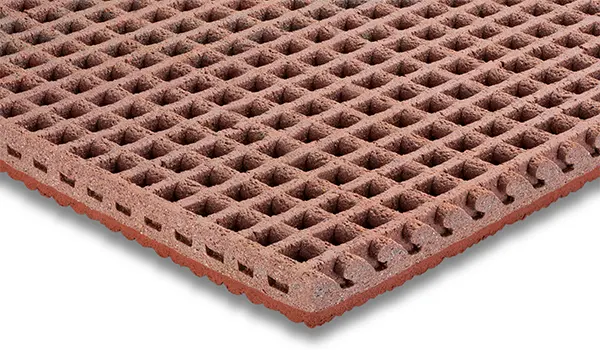
Installing a high-performance running surface represents a multi-decade infrastructure investment. It is never just a simple cosmetic upgrade for your stadium or campus. These specialized surfaces endure extreme weather, heavy foot traffic, and intense athletic use over thousands of hours. Facility directors and architects constantly balance athletic performance alongside strict regulatory compliance. Meeting the rigorous standards set by World Athletics, the NCAA, or NFHS demands absolute precision. Fulfilling these technical demands while achieving distinct facility branding requirements presents a complex challenge.
We created this comprehensive guide to help you navigate these exact hurdles. You will discover how to define precise technical requirements and avoid common installation failures. We also explore the structural realities of sub-base preparation and weather dependency. Finally, we provide a transparent blueprint to help you select a highly qualified installation partner for your next major upgrade.
Key Takeaways
- Proper sub-base preparation dictates 80% of a track's total lifespan; surface branding is secondary to structural integrity.
- Clearly defined custom rubber running track specifications prevent vendor scope creep and ensure competitive compliance.
- Inlaid EPDM logos offer superior longevity compared to surface-painted branding for high-traffic facilities.
- Selecting a certified custom rubber running track supplier requires auditing past project durability, not just initial portfolio aesthetics.
Defining Your Custom Rubber Running Track Specifications
To build a high-performance venue, you must establish baseline metrics early. Determine the primary use case first. You need to know if the facility will host competitive sprinting, multi-purpose community use, or collegiate athletics. Each scenario requires different shock absorption and energy return profiles. Community tracks prioritize comfort to prevent joint injuries among amateur runners. Collegiate sprinting tracks prioritize maximum energy return for pure speed. You can outline accurate custom rubber running track specifications once you define these specific usage parameters.
Next, evaluate system types and material selections. You generally choose between Poured-in-Place (PIP) systems and prefabricated roll systems. PIP systems deliver a seamless finish. They are highly customizable and ideal for complex color transitions across the field. Prefabricated roll systems deliver perfectly consistent thickness everywhere. Installers can lay them down much faster. However, prefabricated options usually restrict you to standard factory color blocks.
| System Feature | Poured-in-Place (PIP) | Prefabricated Rolls |
| Installation Speed | Slower (requires on-site mixing and pouring) | Faster (manufactured off-site) |
| Thickness Consistency | Relies heavily on installer skill | Guaranteed factory precision |
| Customization Limit | Unlimited color mixing and complex patterns | Restricted to standard factory blocks |
| Physical Seams | Completely seamless surface | Contains physical joined seams |
Material composition dictates long-term durability. SBR (Styrene-Butadiene Rubber) forms an excellent, resilient base layer. Recycled tires often supply this foundational material. EPDM (Ethylene Propylene Diene Monomer) serves as the vibrant top wear layer. EPDM provides crucial UV resistance and maximizes energy return for athletes pushing off the ground.
Do not ignore structural realities below the rubber. A 1–2% lateral slope remains mandatory for adequate water runoff. Standing water quickly destroys surface integrity and creates obvious safety hazards. You must also evaluate asphalt versus concrete sub-bases. We emphasize strict curing times before surface application begins. Asphalt requires a minimum of 28 days to cure fully. Concrete often requires similar resting periods. This critical waiting period prevents trapped oils and internal moisture from ruining the adhesive bond.
![Custom rubber running track installation and branded facility upgrades]()
Executing a Branded Facilities Custom Rubber Running Track
When building a branded facilities custom rubber running track, you must protect your visual identity from environmental damage. Address the chemical reality of polyurethane binders immediately. You must choose between aliphatic and aromatic options. Aliphatic binders are non-yellowing. They remain absolutely mandatory for light-colored designs or a fully custom custom rubber running track layout. We strongly warn against using cheap aromatic binders. They degrade rapidly and alter your brand colors under intense UV exposure. A bright blue track will turn muddy green if you use a standard aromatic binder.
Consider your logo integration techniques carefully. You have two primary options for displaying team mascots or corporate sponsors:
- Surface-Painted Logos: Line marking paint sits directly on the top surface. It requires frequent recoating and fades quickly under heavy foot traffic. Sharp athletic spikes tear through this paint easily.
- Inlaid EPDM Logos: Installers physically cut colored EPDM granules into the surface layer. This meticulous technique creates permanent, highly wear-resistant graphics. The logo becomes part of the physical track structure itself.
Smart zone delineation improves facility functionality significantly. Use custom colors to clearly demarcate exchange zones, D-zones, and specialized training areas. This visual approach enhances athletic safety and organizational flow during large events. You can achieve striking visual contrast without violating athletic governing body regulations. Precise color coding helps athletes train effectively while showcasing your distinct school or corporate brand simultaneously.
Implementation Realities and Installation Risks
Weather dictates project success entirely. Installers require strict environmental parameters during the surface application phase. Ambient temperatures must stay steadily between 50°F and 85°F. You need low ambient humidity and absolute zero precipitation in the immediate forecast. Moisture poses a massive threat during pouring or gluing operations. Trapped moisture dramatically increases the risk of complete delamination. Surface bubbling will occur rapidly if water vapor tries to escape upward through the curing rubber.
Site preparation brings its own significant hurdles. Always demand thorough soil compaction testing and comprehensive geotechnical surveys. The sub-base will crack if the underlying soil shifts unexpectedly. You must also mitigate root intrusion from nearby large trees. Fix surrounding landscape drainage issues immediately before paving begins. Unresolved water flows threaten the track's delicate perimeter edges.
Provide a realistic, phased timeline to aid your facility scheduling. Unrealistic expectations lead to rushed, faulty workmanship. Expect the following typical phases for a standard project:
- Excavation and initial site grading (1 to 2 weeks).
- Sub-base pouring of asphalt or concrete (1 week).
- Mandatory sub-base curing period (4 weeks).
- Rubber application and specialized adhesive setting (2 to 3 weeks).
- Precision line striping and final visual inspection (1 week).
How to Evaluate a Custom Rubber Running Track Supplier
Finding a trustworthy construction partner is crucial. You must systematically evaluate your custom rubber running track supplier before signing any contracts. Require them to use ASBA (American Sports Builders Association) certified builders or international equivalents. Do not accept internal company test results as proof of athletic quality. Demand third-party laboratory test reports. These independent documents must validate critical metrics like shock absorption, vertical deformation, and surface friction. Athletes suffer painful shin splints if vertical deformation metrics fall outside acceptable ranges.
Vet their project track record thoroughly. Look far beyond their polished, day-one completion photos. Request physical site visits for facilities they completed over five years ago. You need to evaluate long-term wear patterns in person. Inspect how well the bright EPDM granules retained their original color after years of direct sunlight.
Scrutinize all contracts and warranty clauses carefully. You must differentiate clearly between manufacturer warranties and installer warranties. Manufacturer warranties only cover defective materials. Installer warranties cover actual workmanship and application errors on the site. Identify common warranty voids early in the negotiation process. Improper facility maintenance will void your coverage immediately. Allowing unauthorized vehicle traffic on the delicate surface will also invalidate your protection entirely.
Maintenance Planning and Next Steps
Proper lifecycle management requires foresight. Plan extensively for operational care well beyond the initial installation phase. Schedule routine maintenance tasks immediately after the handover. Regular pressure washing prevents destructive dirt buildup. Prompt debris removal protects the porous surface from rotting leaves and sharp pine needles.
Prepare an operational schedule for structural restriping. Faded lines ruin competitive meets and cause lane violations. You will typically need to restripe the lanes every three to five years. You must also anticipate eventual surface resurfacing. The top wear layer degrades over time. Plan to apply a new surface layer every ten to fifteen years to restore optimal athletic performance.
Your procurement action plan begins with drafting a highly detailed Request for Proposal (RFP). Include all material specifications, required curing timelines, and certification demands in this document. Shortlist two to three thoroughly vetted suppliers based on their technical responses. Invite them for comprehensive site evaluations and initial project quoting. Compare their construction approaches directly. Ensure they align perfectly with your athletic goals and facility branding expectations.
Conclusion
A successful facility upgrade relies entirely on rigorous specification planning. Uncompromising sub-base preparation remains the absolute foundation of your project. If the base fails, the beautiful surface fails alongside it. Do not sacrifice athletic compliance or material longevity for complex branding designs. The best construction partners integrate top-tier physical performance with stunning visual identity seamlessly. Focus your efforts on long-term durability and strict adherence to environmental installation parameters.
We highly encourage you to document your technical requirements clearly. Contact an experienced engineering team today for a site-specific feasibility review. Ensure your custom rubber running track project starts on solid ground. By following this meticulous blueprint, you guarantee an elite athletic facility that safely serves your community and athletes for decades.
FAQ
Q: How long does a custom rubber running track typically last?
A: A standard installation lasts between 10 and 20 years. This lifespan depends heavily on the system type you choose. Porous designs typically require different upkeep than non-porous designs. Strict adherence to a routine maintenance schedule impacts longevity significantly. Most athletic surfaces require comprehensive resurfacing roughly halfway through their lifecycle to maintain optimal shock absorption.
Q: Can we match our exact brand Pantone colors for the track surface?
A: Yes, you can match specific Pantone colors accurately. Manufacturers achieve this through custom EPDM granule blending and aliphatic binders. These specialized non-yellowing binders protect the pigment from fading. However, highly customized colors often carry longer manufacturing lead times. They may also incur higher upfront costs due to the advanced UV-protection chemistry required.
Q: What is the minimum curing time for the asphalt sub-base before rubber installation?
A: Installers typically require a strict 28-day curing period for a new asphalt sub-base. Asphalt contains inherent oils that must release and evaporate fully. If you apply the surface too early, trapped oils prevent the rubber adhesive from bonding. Skipping this crucial waiting phase almost guarantees future delamination and widespread surface bubbling.
Q: Does custom branding affect the track's athletic certification?
A: Custom branding does not affect certification if implemented correctly. Athletic governing bodies require consistent surface performance across all lanes. Inlaid logos and custom-colored zones must maintain the exact same friction and shock-absorption coefficients as the main running areas. Qualified installers use precision techniques to ensure branded areas meet all IAAF and NCAA competitive guidelines.