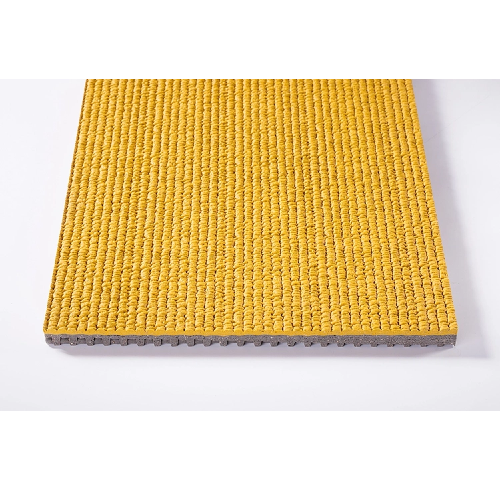
Understanding the Importance of Proper Installation for Outdoor Sports Surfaces
Proper installation of outdoor sports surfaces is crucial for ensuring the safety, performance, and longevity of your sports facilities. Whether you're setting up a tennis court, soccer field, or multi-sport complex, choosing the right surface and following the correct installation procedures will help you avoid costly repairs, increase athlete satisfaction, and extend the life of the surface.
In this article, we’ll guide you through the steps required to properly install outdoor sports surfaces, from the initial planning stage to post-installation care.
Step 1: Planning the Installation of Outdoor Sports Surfaces
Assessing the Site Conditions
Before beginning any installation, it’s crucial to assess the site conditions to determine the suitability for different types of outdoor sports surfaces. Consider the following factors:
Soil Type: The type of soil affects the installation process. Loose, sandy soils may require stabilization, while clay-rich soils might need proper drainage systems to prevent water retention.
Climate: Local weather conditions can dictate which surface will perform best. For example, synthetic turf is great for hot, dry climates, while natural grass requires adequate water supply and maintenance.
Drainage: Proper drainage is essential for preventing water pooling, which can degrade the surface over time and create hazardous conditions.
Choosing the Right Surface for Your Facility
Different sports surfaces are designed for specific needs and activities. Choosing the right material depends on several factors, including climate, intended use, and budget.
Surface Type | Best For | Advantages | Disadvantages |
Synthetic Turf | Soccer, Football, Multi-sport | Durable, low-maintenance, weather-resistant | Expensive installation, heat retention |
Rubber Surface | Running Tracks, Tennis Courts, Multi-sport | Shock absorption, durability, low maintenance | Can be slippery when wet, costly |
Polyurethane | Running Tracks, Sports Courts | Smooth finish, customizable colors, durable | Requires curing time, more expensive |
Natural Grass | Football, Rugby, Golf Courses | Traditional feel, cooling effect, natural aesthetics | High maintenance, weather-dependent |
Multi-sport Surface | Tennis, Basketball, Volleyball, Track | Versatile, suitable for various sports | Requires more detailed installation, expensive |
Budgeting and Scheduling the Project
To get started, calculate the total cost of installation, factoring in the surface material, labor, tools, and equipment. Creating a detailed timeline is also essential for ensuring that the installation stays on track.
Budgeting Tip: Always include a contingency in your budget for unexpected issues.
Scheduling Tip: Plan the installation during the off-season or when the facility is less used to minimize disruption.
Permits and Regulations
Before installation begins, check with local authorities to ensure compliance with building codes and regulations. Some areas may require permits for installing certain surfaces, especially when constructing large sports complexes.
Step 2: Preparing the Site for Installation
Clearing the Area
The first step in site preparation is clearing the area of any existing structures, vegetation, or debris. This includes:
Removing trees, shrubs, and large rocks.
Clearing any old flooring or surfaces (e.g., previous turf, asphalt).
Ground Leveling and Compaction
A flat, stable base is essential for the performance of any outdoor sports surface. The ground needs to be leveled and compacted to prevent any bumps, dips, or irregularities. This can be done by:
Using a laser level to ensure uniformity.
Compacting the soil using a mechanical compactor to avoid shifting.
Installing a Drainage System
A proper drainage system is vital to avoid water retention. There are two types of drainage systems commonly used for outdoor sports surfaces:
Surface Drainage: Involves installing sloped surfaces that lead water away from the playing area.
Subsurface Drainage: A more comprehensive system, where pipes are installed beneath the surface to move water away from the ground.
Soil Stabilization and Testing
Soil stability is key to the long-term success of your surface. Use soil stabilization techniques (such as adding geotextiles or compacted gravel) to ensure a solid base.
Step 3: Installing the Base Layer for Outdoor Sports Surfaces
Selecting the Right Base Material
The base layer of your outdoor sports surface is one of the most important elements for ensuring long-lasting performance. It provides the structural integrity that supports the top layer. Common base materials include:
Crushed Stone: Ideal for drainage and stability.
Gravel: Often used in areas where high traffic is expected.
Asphalt or Concrete: Preferred for high-performance surfaces like running tracks or multi-sport courts.
Base Layer Thickness and Density
The thickness of the base layer varies depending on the surface type and climate conditions. A typical base layer should be between 2–6 inches thick. The density of the base material also affects its stability, with denser layers offering better support and durability.
How to Lay and Compact the Base Layer
To ensure the base layer is solid:
Spread: Evenly spread the base material across the surface area.
Leveling: Use a leveling tool to achieve uniform thickness.
Compacting: Use a roller or mechanical compactor to compact the material and ensure a stable foundation.
Step 4: Installing the Outdoor Sports Surface
For Synthetic Turf
Roll Out and Align: Begin by unrolling the synthetic turf in sections, ensuring that each piece is aligned correctly.
Securing the Turf: Use turf adhesive or nails to secure the turf along the edges and seams.
Infill Installation: Infill (rubber or sand) is added to the turf to weigh it down and improve performance.
Brushing: Use a power broom to brush the turf fibers upright and evenly distribute the infill.
For Rubber Surfaces
Mixing and Pouring: Prepare the rubber mixture (typically a blend of recycled rubber and binder) and pour it evenly onto the surface.
Smoothing: Use a trowel to spread and smooth the rubber to ensure even coverage.
Curing: Allow the rubber surface to cure for the recommended period to ensure maximum durability.
For Polyurethane Surfaces
Application: Apply a polyurethane coating evenly with a squeegee.
Curing: Allow the surface to cure according to the manufacturer's instructions, which can vary based on climate conditions.
For Natural Grass
Seeding or Sod Installation: Depending on your region, you can either seed the area or lay sod to establish natural grass.
Watering: Regular watering is required to ensure healthy grass growth.
For Multi-Sport Surfaces
Layering Multiple Materials: Multi-sport surfaces often combine different materials like rubber, polyurethane, or synthetic turf to cater to various sports.
Customizing for Sports: Ensure the surface is designed to meet the specific requirements of each sport (e.g., court markings for basketball, tennis, etc.).
![outdoor sports surfaces]()
Step 5: Ensuring Proper Adhesion and Integration
Seam and Joint Techniques
Proper seams and joints are vital to the performance of your outdoor sports surface. Techniques for ensuring seamless joints include:
Turf Seaming: Using adhesive or mechanical seaming methods to join sections of synthetic turf.
Rubber and Polyurethane Joints: Use specialized adhesives and heat bonding for rubber or polyurethane surfaces to ensure that no gaps or lift-offs occur.
Edge Finishing and Detailing
Edging is crucial for preventing damage and maintaining the surface's integrity. Use metal or rubber edging to secure the edges of the surface and prevent shifting.
Surface Smoothing and Levelling
Ensure that the entire surface is free from any bumps or depressions by using smoothing tools and ensuring a uniform level across the installation area.
Step 6: Post-Installation Care and Final Testing
Surface Testing for Performance and Safety
After installation, it is essential to perform several tests to confirm the performance of the surface. Key tests include:
Shock Absorption: Ensuring the surface provides proper cushioning to prevent injuries.
Traction and Grip: Testing for sufficient traction to avoid slippery conditions.
Cleaning and Final Touches
Clean the newly installed surface to remove installation debris and other contaminants. Make sure to inspect for any visible defects that need correction before use.
Curing and Drying Times
Certain surfaces, like rubber or polyurethane, require curing or drying periods before they can be used. Be sure to allow sufficient time for the materials to cure according to the manufacturer's recommendations.
Step 7: Ongoing Maintenance After Installation
Creating a Maintenance Schedule
Regular maintenance is key to ensuring the longevity of outdoor sports surfaces. Your schedule should include:
Weekly or Monthly Inspections: Check for wear, tear, and signs of damage.
Routine Cleaning: Regularly remove debris, leaves, and dirt to maintain surface integrity.
Repairs: Address any minor issues early to avoid costly repairs down the line.
Signs of Wear and Tear
Common signs that your surface needs attention include:
Turf Matting: Synthetic turf may mat down over time, especially in high-traffic areas.
Rubber Cracking: Rubber surfaces may crack due to UV exposure or wear.
Polyurethane Peeling: Polyurethane coatings may begin to peel or fade after prolonged use.
Conclusion
Proper installation and ongoing maintenance are crucial for extending the lifespan and ensuring optimal performance of your outdoor sports surfaces. By following the right steps, your sports facility will provide a safe and enjoyable environment for athletes, year after year.
Why Professional Installation Matters
Although DIY installation is possible, enlisting the help of experts ensures that the surface is installed correctly, adhering to all safety and performance standards. Professional installation minimizes risks, reduces the chances of early wear, and maximizes the surface's durability.
Call to Action
For expert advice and professional installation of outdoor sports surfaces, contact Huadongtrack. With years of experience in the industry, they can help you select the perfect surface tailored to your needs and provide flawless installation that guarantees long-lasting performance. By choosing the right experts, you can save time and money while ensuring the best experience for athletes at your facility.
![]()
FAQ
1. How long does the installation of an outdoor sports surface take?
The time needed for installation varies depending on the surface type and the facility size. Typically, it can take anywhere from a few days to several weeks.
2. Can I install an outdoor sports surface myself?
While it’s possible for DIY enthusiasts, professional installation is recommended for optimal performance and longevity.
3. What factors should I consider when choosing an outdoor sports surface?
Consider climate, budget, intended use, maintenance requirements, and surface durability when selecting the right option.
4. How do I prepare the site for surface installation?
Site preparation involves clearing debris, leveling the ground, ensuring proper drainage, and stabilizing the soil.
5. What kind of maintenance does my outdoor sports surface need?
Regular cleaning, inspections, and occasional repairs are necessary to ensure long-term surface health.