![Sochi Winter Olympic Games]()
I. Introduction
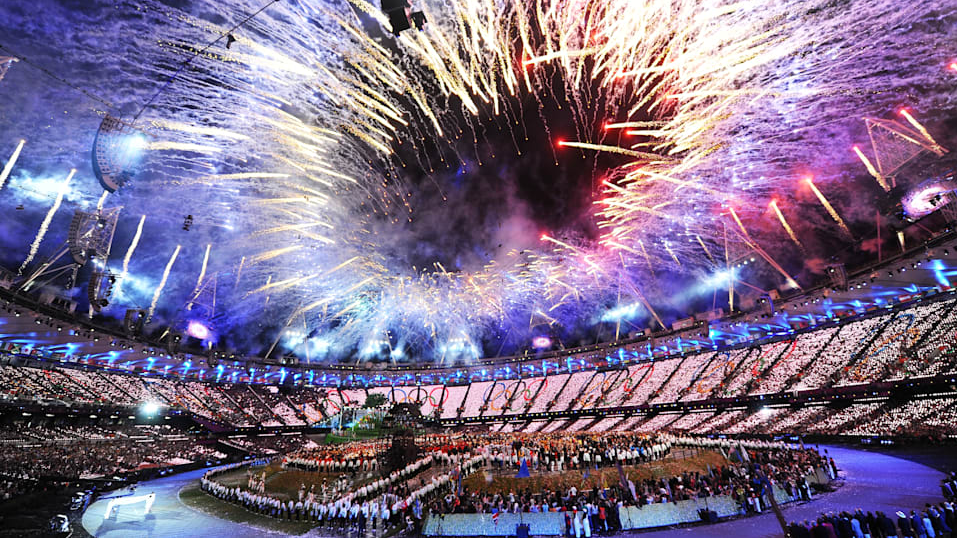
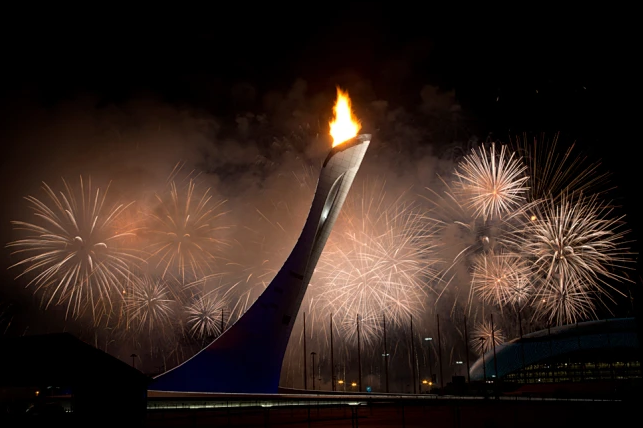
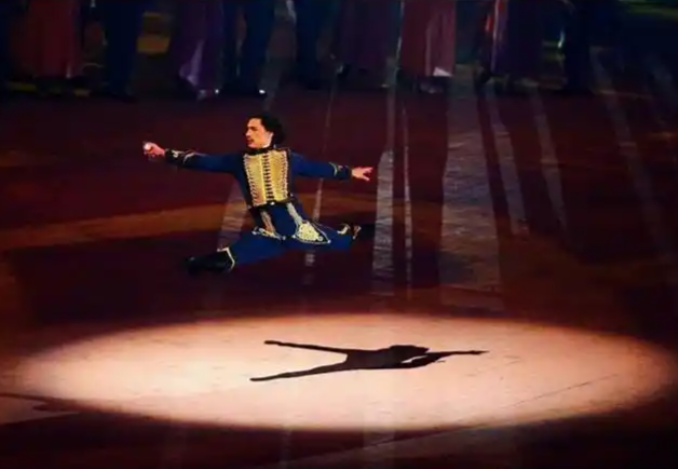
Among Huadong Track's showcase projects, the opening ceremony of the Sochi Winter Olympic Games remains one of the most unusual and memorable references. It was not a standard athletics setting. It was a world-scale event environment where the surface had to hold up visually, functionally, and operationally under intense public attention.
This project highlights how JOYPLAY, as a multifunctional prefabricated rubber sports surface, performs in extreme high-visibility event conditions. The case focuses on its role during a global opening ceremony setting, where rapid installation, safety performance, durability, and visual consistency were all critical requirements, and demonstrates how the system is adapted for complex, large-scale event environments similar to those shown in our product applications.
![Sochi Winter Olympic Games]()
That is exactly what makes this case worth discussing. A ceremony surface is not judged only by how it performs under sports use. It is judged by how it behaves under lighting, camera exposure, large-scale movement, and a tightly controlled event sequence.
II. What Makes an Opening Ceremony Surface Different
1. The surface becomes part of the visual stage
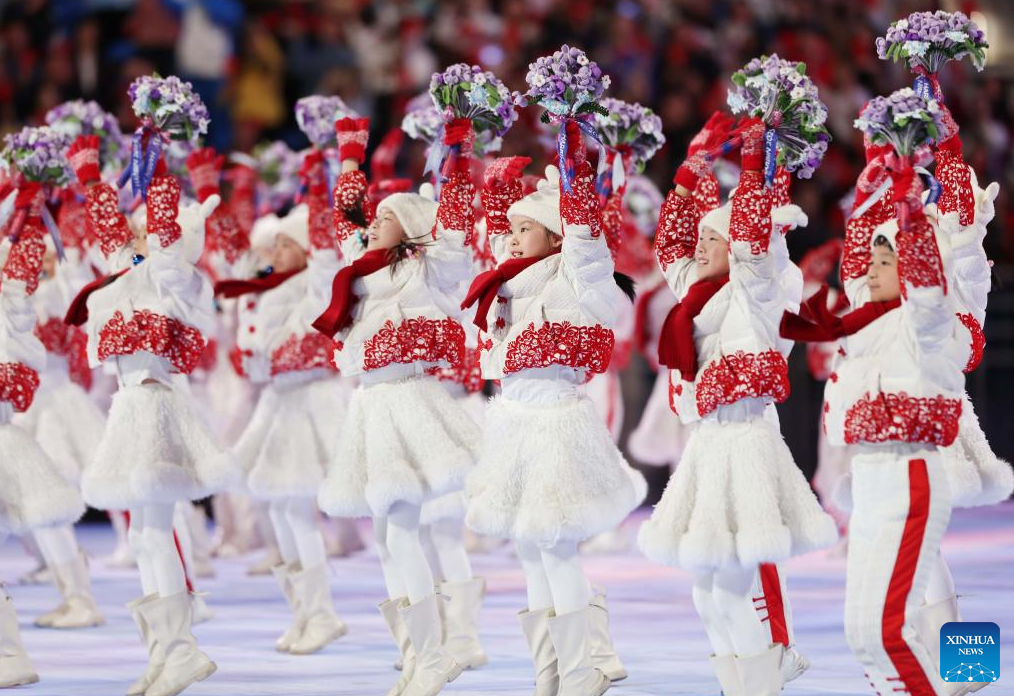
At an opening ceremony, the floor is not background. It is part of the picture. Cameras, stadium lighting, performance movement, and large-format viewing all increase the importance of color consistency, surface finish, and edge quality.
![Sochi Winter Olympic Games]()
If the material reflects unevenly, if joints become visible, or if the surface reads as patchy, the problem does not stay technical. It becomes part of the event image.
2. The use condition is broader than normal athletics activity
A ceremony environment brings together performers, equipment movement, rehearsals, temporary access, and controlled transitions. That creates a surface demand very different from daily running or lane-based training use.
This is one reason the Sochi case stands out. It shows how a sports surface can be asked to perform in a mixed-function setting rather than a narrow single-use one.
III. Why JOYPLAY Matters in This Context
1. JOYPLAY is positioned as a multifunctional surface
On Huadong Track's products page, `JOYPLAY` is presented as a multifunctional rubber sport surface with a `1.22 m` width, `15-20 m` length, and `6-9 mm` thickness range. The same page also connects JOYPLAY directly to the opening ceremony of the Sochi Winter Olympic Games.
That association matters because it gives the product a clear case context. It is not only being shown as a generic surface. It is being shown through an application where visibility, coordination, and event readiness all mattered.
![Sochi Winter Olympic Games]()
2. Multifunctional design makes sense in event-led projects
For a project shaped by performance staging rather than standard lane competition, a multifunctional rubber surface is often a more natural fit than a purely track-defined solution. The priority is not just athletics performance in the narrow sense. The priority is a controlled, reliable, and visually stable surface under mixed event pressure.
That is where JOYPLAY becomes easy to understand. Its value in this case comes from flexibility, finish, and manageability, not from trying to behave like a conventional competition track.
IV. What the Installation Would Have Needed to Control
1. Visual finish would have been a technical issue, not a cosmetic extra
In an event at this level, surface appearance is not something to think about after installation. It is part of the technical job from the beginning. Texture consistency, edge discipline, and surface cleanliness all influence how the final venue reads on screen.
That means the installation team has to think beyond placement. The finish has to survive exposure, scrutiny, and event use without distracting from the larger production.
![Sochi Winter Olympic Games]()
2. Timing pressure would have shaped every decision
An Olympic opening ceremony does not move around the contractor's schedule. Everything works backward from a fixed event deadline. That makes construction sequencing, protection planning, and access control much more sensitive than in ordinary projects.
In that kind of setting, a surface system that arrives in a more controlled form usually gives the project team a better chance of staying disciplined under time pressure.
![Sochi Winter Olympic Games]()
3. Post-installation protection becomes part of delivery
Once a ceremony surface is installed, it is rarely left untouched. Rehearsals, staging crews, controlled equipment use, and event operations all continue to interact with it. That means delivery is not complete the moment installation ends.
The surface still has to be protected, monitored, and managed until the event actually happens.
V. What the Sochi Case Suggests After Delivery
1. The clearest result is continued reference value
Huadong Track still keeps the Sochi opening ceremony case associated with JOYPLAY on its public materials. That is significant. Projects are usually kept in a showcase lineup because they continue to support the product story the company wants to stand behind.
For readers, that kind of continued visibility is a practical form of post-project response. It suggests that the case still represents something the brand considers worth pointing to.
2. Event success is measured by stability under pressure
In a case like this, the most relevant outcome is not whether the surface sounded impressive in a brochure. It is whether it supported the event cleanly, looked controlled under full exposure, and did not create visible or operational problems at the wrong moment.
That is a stricter test than many ordinary sports projects ever face.
![Multifunctional Rubber Sport Surface]()
VI. Conclusion
The Sochi opening ceremony case is valuable because it shows a different side of sports surface delivery. It is not a story about ordinary track use. It is a story about how a surface performs when event visibility, timing pressure, and presentation quality all matter at once.
![Multifunctional Rubber Sport Surface]()
That is where JOYPLAY becomes more than a product name. In this context, it represents a multifunctional surface solution suited to projects where sport, event use, and visual control need to meet in the same space. For teams planning venues with similar mixed-use pressure, Huadong Track can help evaluate whether that kind of surface logic is the right fit.
VII. FAQ
1. Why is Sochi a meaningful case for JOYPLAY?
Because it links JOYPLAY to a real, high-visibility event environment rather than to a generic product description. That makes the product easier to understand through application, not just specification.
2. Why would a ceremony project need a multifunctional rubber sport surface?
Because ceremony use involves movement, lighting, staging, and timing requirements that go beyond standard athletics use. A multifunctional surface is better aligned with that wider demand.
3. What is the biggest technical risk in this type of event project?
One major risk is visible inconsistency under lighting and camera exposure. Another is losing control of the surface after installation because other event activities continue around it.
4. What kind of post-project response matters most here?
The most meaningful response is whether the surface remained credible enough to stay part of the company's long-term showcase references.