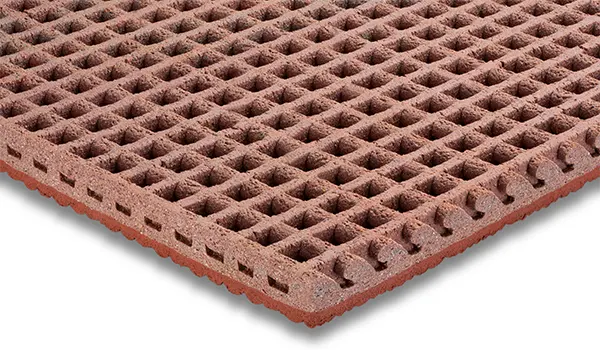
Unplanned downtime ruins project profitability and severely limits facility usability. When track degradation stops operations, everyone loses money and valuable time. Facility managers increasingly prefer the environmental rubber track for new installations. These advanced surfaces rely on eco-friendly, low-toxicity, and highly durable materials. They heavily outshine legacy alternatives in both safety and athletic performance. However, this shift means you must update your daily care routines. Eco-friendly binders and specific rubber granules require tailored attention.
Proactive, specification-aligned maintenance represents more than a basic cleaning protocol. It serves as a strict financial strategy for your organization. You implement these steps to maximize surface lifespan. Your team ensures ongoing safety compliance while protecting users. Ultimately, a strong maintenance schedule delays heavy replacement costs and keeps your daily operations running smoothly without unexpected closures.
Key Takeaways
- Routine Inspection Yields High ROI: Identifying micro-tears, tension issues, or surface wear early prevents catastrophic failure.
- Specifications Dictate Strategy: Maintenance frequency must align with specific material compositions (e.g., EPDM, polyurethane binders) and environmental exposure.
- Application Matters: High-traffic public installations require different intervention thresholds than private or specialized use cases.
- Supplier Support is Critical: Long-term downtime reduction relies heavily on choosing a supplier that provides transparent warranties and replacement material availability.
1. The Financial Impact of Reactive vs. Proactive Track Maintenance
Downtime means different things depending on your operational environment. For recreational facilities, it means closed athletic tracks, canceled community events, and potential safety hazards. For heavy machinery utilizing rubber treads, downtime means halted equipment and stalled construction phases. Regardless of the specific application, unexpected track failures prevent immediate use and damage your bottom line. Waiting for a surface to fail before fixing it guarantees maximum operational disruption.
A proactive cost analysis clearly favors scheduled maintenance. Routine preventative care includes surface cleaning, minor spot patching, and tension calibration. These small tasks cost very little in labor and materials. Conversely, premature track replacement demands massive capital expenditure. Full replacement requires stripping the old surface, preparing the sub-base, and installing entirely new materials. You lose weeks of operational availability during this process. Routine care keeps these massive expenses years away.
You can measure a successful maintenance program through clear success criteria. First, you gain predictable operational hours. Managers can schedule events or shifts confidently. Second, you maintain strict warranty validity. Most manufacturers void warranties if you ignore baseline care. Finally, proactive care meets compliance standards for environmental safety. Eco-friendly surfaces must retain their non-toxic, shock-absorbing qualities. Proper upkeep ensures they perform exactly as designed year after year.
2. Core Maintenance Protocols for an Environmental Rubber Track
Effective maintenance starts with routine surface clearance. You must remove abrasive debris regularly. Stones, sharp metal objects, and organic matter accelerate friction wear. Leaves and dirt trap moisture against the rubber surface. This trapped moisture slowly degrades eco-friendly binders over time. Use gentle mechanical sweepers or leaf blowers to clear the area daily. Keeping the surface clean prevents minor abrasions from developing into deep tears.
Chemical and fluid management requires strict attention. Eco-friendly rubber compounds react poorly to harsh industrial chemicals. You must avoid petroleum-based fluids, heavy solvents, and highly acidic cleaning agents. These substances break down the polyurethane binders holding the rubber granules together. A chemical spill can dissolve a localized section in hours. Always use pH-neutral cleansers recommended by the manufacturer. Clean up accidental oil or fluid spills immediately to prevent permanent structural damage.
Structural integrity checks vary based on the track type. For facility athletic surfaces, you must check for delamination, granule loss, and drainage efficiency. Pooling water indicates sub-base settling or clogged drainage channels. For mobility tracks on machinery, you check tension calibration daily. You must inspect drive lugs for cracking and monitor tread wear patterns. Uneven tread wear often points to alignment issues.
We recommend an evidence-oriented approach to your maintenance schedule. Visual guesswork leads to missed warning signs. You should establish a formalized inspection checklist. Record findings meticulously.
- Weekly Visual Audit: Walk the entire perimeter to spot loose debris or early signs of fading.
- Monthly Structural Check: Press the surface to detect soft spots indicating sub-base moisture accumulation.
- Quarterly Chemical Review: Assess the cleaning inventory to ensure all agents remain pH-neutral and approved.
- Bi-Annual Drainage Test: Flood the surface strategically to observe water runoff speeds and pooling tendencies.
- Annual Professional Assessment: Hire a certified technician to measure shock absorption and friction levels.
![Environmental Rubber Track Maintenance]()
3. Aligning Care with Environmental Rubber Track Specifications
You cannot implement a generic maintenance plan. Reading and thoroughly understanding your environmental rubber track specifications directly informs your specific schedule. A feature-to-outcome evaluation helps you match care to material composition. For instance, tracks relying on specific EPDM blends handle friction differently than hybrid SBR mixtures. Knowing your exact binder type tells you which environmental factors pose the biggest threat. You build your maintenance calendar around these documented vulnerabilities.
Ultraviolet (UV) rays and temperature fluctuations test eco-binders intensely. Extreme heat softens some rubber layers, making them susceptible to physical tearing. Freezing temperatures cause contraction, which can lead to micro-cracking if the track lacks proper elasticity. You must prepare for seasonal shifts. Winterizing might involve applying approved protective coatings. Summer care often requires more frequent washing to cool the surface and remove baked-on atmospheric dust. Check your specification sheets for specific temperature tolerance thresholds.
Thickness and density metrics dictate your allowable wear tolerance. The wear-layer thickness determines how much surface abrasion can occur before maintenance becomes critical. Dense tracks withstand heavy impacts better but may show surface scuffing earlier. When the top wear-layer degrades past the manufacturer's stated tolerance, you lose critical shock absorption. You must measure this thickness periodically. Once it drops near the minimum spec, you schedule immediate resurfacing to avoid full failure.
The following chart illustrates how specific structural elements dictate corresponding maintenance actions based on typical factory guidelines.
| Material Specification Feature | Environmental Impact | Required Maintenance Action |
| Aliphatic Polyurethane Binder | High UV exposure causes surface chalking. | Apply approved UV-stabilizing topcoat annually. |
| High-Density EPDM Granules | Abrasive dirt accelerates micro-tearing. | Perform bi-weekly mechanical sweeping and power washing. |
| 13mm Wear-Layer Thickness | Heavy foot traffic reduces shock absorption. | Conduct depth testing every six months in high-wear zones. |
| Porous Sub-Base Design | Organic debris clogs drainage pathways. | Remove leaves daily; flush drainage channels quarterly. |
4. Specialized Protocols for Public Sports Parks Environmental Rubber Track
Public installations face relentless, unpredictable usage. A public sports parks environmental rubber track deals with high-traffic stress patterns rarely seen in private facilities. Runners heavily favor the inner lanes, concentrating wear and tear in very specific zones. You will notice the surface breaking down much faster in Lane 1 and Lane 2. Your maintenance team must rotate their focus. They should apply preventative treatments and monitor thickness levels in these high-stress lanes twice as often as the outer lanes.
Vandalism and accidental damage pose constant threats in open public spaces. People might ride bicycles on the track, drag heavy equipment across it, or spill unauthorized chemicals. You need rapid response strategies for these localized issues. If a tear occurs, water will immediately seep into the sub-base. Your team must patch small punctures within 24 hours. Keeping a pre-mixed, manufacturer-approved repair kit on site prevents a small act of vandalism from ruining a massive track section.
Public safety introduces strict liability concerns. You must integrate your maintenance routine with public safety audits. Authorities require regular slip resistance and shock absorption testing. If a runner slips because moss grew on a poorly maintained corner, the facility faces serious liability. Auditing ensures the track retains its specified grip coefficient. Documenting these safety tests proves you exercised due diligence, ultimately protecting your organization from liability-related downtime.
5. When to Upgrade to a Custom Environmental Rubber Track
Standard track configurations eventually hit performance ceilings. You must identify the symptoms indicating your current track fails to match operational demands. If you patch the exact same corner every month, the baseline material cannot handle the localized stress. Continual delamination, rapid color fading, and persistent drainage failures signal fundamental incompatibilities. A standard track designed for mild climates will inevitably fail if installed in an area with brutal freeze-thaw cycles or extreme daily heat.
Investing in a custom environmental rubber track solves these persistent issues. Customization allows you to tailor the wear-layer thickness specifically for your heaviest usage zones. You can request enhanced UV stabilizers formulated for high-sunlight regions. Manufacturers can also adjust the surface texture to provide maximum slip resistance in exceptionally rainy environments. While the initial investment sits higher, this tailored engineering drastically reduces your long-term maintenance burdens and eliminates repetitive patching.
You must consider scalability when evaluating upgrades. Compare the ongoing labor costs of continuous repairs against the cost of a targeted custom upgrade. Upgrading a high-failure zone often proves much more cost-effective. Instead of fighting a losing battle against material limitations, you install a surface engineered for that exact stress profile. This scalable approach cuts daily downtime immediately and frees your maintenance staff to focus on basic preventative care.
6. Evaluating Your Environmental Rubber Track Supplier for Long-Term Support
Choosing the right partner dictates your future downtime. Shortlisting based entirely on the lowest upfront bid usually backfires. Cheap installations often use inferior, highly diluted eco-binders. These budget materials degrade rapidly under standard environmental stress. The money you save on day one disappears during the first year of constant patching and operational closures. You must prioritize material quality and engineering transparency over the initial price tag.
Post-sale support separates average vendors from exceptional partners. You should demand specific post-installation resources from any environmental rubber track supplier before signing a contract. Evaluate their support infrastructure rigorously.
- Clear Maintenance Documentation: They must provide exact pH parameters for cleaning agents and specified tension metrics.
- Responsive Technical Support: You need access to engineers who can troubleshoot complex drainage or wear issues remotely.
- Rapid Material Availability: They must stock exact color-matched EPDM granules and binder kits for immediate shipping.
- Site Assessment Services: Top suppliers offer annual structural audits to help you catch early degradation signs.
Warranty transparency directly affects your maintenance strategy. You must read the fine print carefully. Understand exactly which maintenance actions keep the warranty intact. Many warranties explicitly void coverage if you use pressure washers above a certain PSI or apply unauthorized chemical solvents. Ask your supplier to define their accepted preventative procedures in writing. A clear warranty ensures your maintenance investments actually protect your financial assets.
Conclusion
Cutting unplanned downtime requires a deliberate shift in operational culture. You must move away from a reactive repair mindset. Waiting for visible tears guarantees expensive closures and massive labor costs. Instead, embrace a proactive, specification-based maintenance strategy. Routine sweeping, careful chemical management, and strict structural auditing form the foundation of this approach. Aligning your daily care with the manufacturer's exact specifications ensures the eco-friendly materials perform flawlessly.
Take immediate action to protect your surface investment. Start by auditing your current maintenance logs to identify recurring failure points. Locate and review your original track specifications to ensure your cleaning agents comply with factory guidelines. If your track requires constant patching, contact a qualified supplier today. Request a professional site assessment or schedule a consultation to discuss upgrading to a customized, high-durability surface.
FAQ
Q: How long should an environmental rubber track last before requiring major repairs?
A: A high-quality surface typically lasts between 10 to 15 years before needing major resurfacing. However, this lifespan heavily depends on your baseline specifications, daily usage intensity, and local climate. Strict adherence to routine maintenance, like prompt debris removal and proper chemical management, maximizes this timeline. Neglecting weekly care can cut the track's functional lifespan in half.
Q: What are the most common causes of premature track failure?
A: Premature failure usually stems from three main issues. First, abrasive debris like small stones causes micro-tearing under foot traffic. Second, using petroleum-based chemicals or improper high-acid cleaners dissolves the eco-friendly polyurethane binders. Finally, sub-base settling traps moisture, which leads to surface delamination and severe structural rot.
Q: Does a custom track require less maintenance than an off-the-shelf solution?
A: Yes, custom surfaces generally require less reactive repair work. Manufacturers engineer them specifically for your facility's unique stress points, extreme weather conditions, and traffic patterns. While they resist wear much better, they still demand strict adherence to baseline maintenance protocols. You must continuously sweep, clean, and inspect them to maintain their superior performance.