Athletic and commercial facility managers face a major shift in procurement priorities today. You can no longer just evaluate shock absorption and upfront price. Environmental compliance and end-of-life sustainability now stand as strict baseline requirements for modern infrastructure.
However, the market remains flooded by "greenwashed" surfacing options making unverified claims. Buyers need an objective way to evaluate technical metrics, lifecycle longevity, and supplier reliability. You must achieve this without ever compromising athletic performance or athlete safety.
This article provides a strict, evidence-based framework for evaluating, shortlisting, and procuring an eco-friendly surface. We will explore exactly how to verify material specs and distinguish superior prefabricated solutions from outdated poured systems. By the end, you will know how to confidently vet suppliers and secure a truly sustainable athletic facility.
Key Takeaways
Prioritize Prefabrication: Prefabricated tracks offer tighter quality control and verifiable environmental compliance compared to traditional poured-in-place systems.
Verify the Specs: Authentic environmental rubber track specifications must include standardized testing for VOC emissions, heavy metal content, and shock absorption.
Evaluate the Supplier: A reliable environmental rubber track supplier provides transparent end-of-life recycling protocols and comprehensive installation support.
Look at Total ROI: Upfront material costs must be weighed against lifecycle longevity, maintenance requirements, and the track's eventual disposal or repurposing costs.
Understanding the Baseline: What Makes a Rubber Track Truly "Environmental"?
Moving beyond buzzwords requires a clear understanding of material science. Many manufacturers label their products "green" simply because they use some recycled content. True sustainability requires a comprehensive approach to raw materials, manufacturing emissions, and chemical safety. An authentic environmental rubber track eliminates toxic risks entirely.
You must evaluate tangible criteria when reviewing potential surfaces. Legitimate eco-friendly tracks share several non-negotiable characteristics:
Recycled Raw Materials: High-grade surfaces utilize post-consumer or post-industrial rubber. Facilities must verify the source of these materials.
Non-Toxic Binders: Safe tracks eliminate harmful phthalates and solvent-based polyurethanes. They utilize advanced, solvent-free adhesives.
Zero Heavy Metals: Lead, mercury, and cadmium pose severe risks to athletes and local groundwater. Testing must confirm absolute zero levels.
Low-VOC Emissions: Volatile Organic Compounds degrade air quality. Safe tracks emit virtually zero VOCs, protecting athletes during intense respiration.
Industry-standard certifications separate legitimate products from unverified marketing claims. World Athletics compliance guarantees athletic performance. GREENGUARD Gold certification proves a product meets rigorous third-party chemical emission standards. REACH compliance ensures manufacturers do not use banned or hazardous chemicals during production. Always request documentation for these specific certifications.
Material sourcing carries hidden liabilities. Suppliers who cannot trace their recycled rubber sources expose facility owners to immense risk. Unverified rubber often contains unknown chemical additives. This leads to inconsistent degradation, unpredictable off-gassing, and premature surface failure. Traceability remains your strongest defense against toxic liability.
Analyzing Environmental Rubber Track Specifications and Performance
Choosing green materials should never negatively impact force reduction or energy return. Athletes demand high-performance surfaces. Eco-friendly engineering now matches or exceeds traditional synthetic performance. By optimizing the cellular structure of the rubber, manufacturers deliver exceptional shock absorption while maintaining rigorous environmental standards.
Procurement teams must analyze specific technical metrics. These numbers dictate both durability and athletic safety. Thickness and density parameters play the most crucial role. A denser bottom layer absorbs impact energy, protecting athlete joints. A highly durable top layer resists spike wear and heavy foot traffic. You need optimal balance between both layers.
Friction and slip resistance ensure the surface performs well across varied weather conditions. Athletes must trust their footing during sudden downpours. UV resistance and color fastness act as critical indicators of long-term material stability. Poor UV resistance causes tracks to chalk, harden, and eventually crack under sustained sunlight.
We outline the essential performance targets below.
Key Performance Indicators for Eco-Friendly Tracks
| Technical Metric | Ideal Parameter Range | Impact on Performance |
| Force Reduction (Shock Absorption) | 35% - 50% | Protects joints; prevents acute athlete injuries. |
| Modified Vertical Deformation | 0.6mm - 2.5mm | Ensures proper energy return and foot stability. |
| Friction Coefficient (TRRL) | ≥ 47 (Wet conditions) | Prevents slipping during rainy training sessions. |
| Tensile Strength | ≥ 0.5 MPa | Prevents tearing from repeated running spike impact. |
| VOC Emission Rate | < 0.5 mg/m³ | Maintains safe air quality for intense respiration. |
Procurement teams must demand rigorous, third-party lab testing sheets. You cannot rely on manufacturer brochures. Request independent data verifying your specific environmental rubber track specifications before finalizing any tender. This data protects your investment and guarantees athlete safety.
![Environmental rubber track installation and material comparison]()
Solution Approaches: Prefabricated vs. Poured-in-Place Systems
Facility managers typically choose between two installation methodologies. Poured-in-Place (PIP) systems have dominated the market for decades. However, PIP presents severe implementation risks. Installers mix liquid polyurethane and rubber granules directly on site. Weather conditions heavily impact this process. Unexpected humidity or sudden temperature drops alter chemical curing times.
This on-site mixing compromises environmental integrity. Hand-mixed batches often lead to uneven track thickness. Uneven thickness creates hazardous soft spots and hard zones for runners. Furthermore, off-gassing increases significantly when chemicals cure in open air rather than controlled factory settings. These variables make PIP systems inherently unpredictable.
Prefabricated surfaces eliminate these risks entirely. Factory-controlled environments guarantee uniform thickness across every square inch. State-of-the-art vulcanization processes bind the materials permanently without relying on volatile liquid chemicals. This precision engineering ensures consistent athletic performance. You also receive exact, verifiable compliance regarding environmental standards.
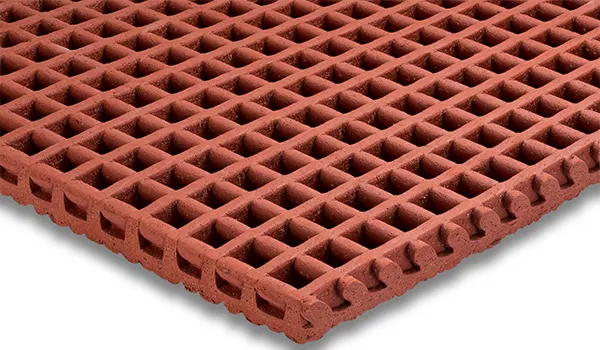
Evaluating market leaders highlights the prefabricated advantage. We can use established solutions like the goter prefabricated environmental rubber track as a benchmark for quality. This surface arrives in fully cured, ready-to-install rolls. A standardized goder manufacturing process completely eliminates on-site chemical variables. Facility managers secure a predictable, sustainable footprint from day one.
Vetting Your Environmental Rubber Track Supplier
A superior product fails without a reliable partner backing it. You must rigorously vet your partners before signing contracts. Supply chain transparency serves as your first major filter. Ask specific questions regarding where they source their rubber. You need to know exactly how they process it.
Installation expertise matters just as much as material quality. Even a premium surface fails quickly with poor sub-base preparation. Asphalt or concrete sub-bases require strict leveling tolerances. Moisture barriers must function flawlessly. Discuss these elements during your initial meetings.
To ensure success, follow these specific vetting steps:
Demand Supply Chain Audits: Request documentation proving raw materials originate from certified recycling facilities.
Verify Installation Teams: Confirm your chosen environmental rubber track supplier provides factory-certified installation teams or enforces stringent technical oversight for local contractors.
Inspect Sub-Base Requirements: Review their technical manuals regarding asphalt curing times, slope gradients, and moisture limits.
Check References: Call previous facility managers. Ask about material shrinkage, seam splitting, or fading colors over the first three years.
Read the fine print on warranties carefully. Warranty and liability transparency separates trustworthy vendors from predatory ones. Does the supplier cover premature degradation due to material failure? Do they guarantee environmental compliance post-installation? Make sure the warranty explicitly covers loss of shock absorption, not just total catastrophic failure.
Lifecycle Management, ROI, and End-of-Life Disposal
Facility operators must shift their focus away from initial capital expenditure. Long-term lifecycle ROI dictates true financial success. Upfront material costs represent only a fraction of the total investment. A highly durable environmental rubber track pays for itself by eliminating frequent repair cycles. Prefabricated options strongly outperform poured systems in longevity.
Maintenance realities surprise many first-time buyers. Facilities need strict protocols to maintain structural integrity over a 15-year lifespan. Daily operations require regular sweeping to remove abrasive dirt. Dirt acts like sandpaper under running spikes. Facility teams must also pressure wash the surface periodically to remove embedded organic matter and atmospheric pollution.
Promptly address minor damages. Check seams annually. If a seam separates slightly, immediate adhesive injection prevents water ingress. Water freezing beneath the track causes devastating delamination. Proper maintenance preserves both athletic safety and the material's eco-friendly properties by preventing premature degradation.
End-of-life strategy represents the final, critical phase. We must address the reality of replacing used surfaces. A truly sustainable solution embraces the closed-loop concept. Toxic synthetic surfaces incur massive landfill disposal fees. Conversely, an environmentally engineered track is fully recyclable. Manufacturers mechanically granulate the old track. They repurpose these granules into new sub-base materials or secondary products. This closed-loop approach protects the environment and heavily reduces your eventual disposal costs.
Conclusion
Securing a sustainable athletic facility requires a disciplined, evidence-based procurement strategy. Decision-makers must demand verifiable performance specifications and trace material origins. Prioritize the consistency of prefabricated rolls over the unpredictability of poured-in-place systems. Always vet suppliers aggressively on both material transparency and their installation support capabilities.
Take immediate action before moving to the contracting phase. Request physical samples from your shortlisted suppliers. Demand third-party emission test results and detailed lifecycle cost analyses. By strictly enforcing these standards, you protect athlete health, ensure long-term financial ROI, and uphold your commitment to environmental sustainability.
FAQ
Q: What are the most critical environmental rubber track specifications to look for?
A: Focus on exact thickness tolerances, heavy-metal-free certifications, low VOC emissions data, and World Athletics performance testing results. These metrics guarantee both ecological safety and elite athletic performance without compromise.
Q: Why is a goter prefabricated environmental rubber track considered a safer investment than traditional pour-in-place?
A: Because it is manufactured in a controlled factory setting, ensuring exact material consistency, zero on-site chemical mixing, and guaranteed performance metrics that pour-in-place systems struggle to replicate.
Q: How do I verify the claims of an environmental rubber track supplier?
A: Demand independent, third-party testing certificates. Check their track record with past facility installations, inspect their warranty fine print, and carefully review their end-of-life recycling policies before signing contracts.
Q: What happens to the track at the end of its usable life?
A: Legitimate environmental tracks are designed to be mechanically granulated and repurposed or recycled into new sub-base materials, preventing them from ending up in landfills and reducing future disposal costs.