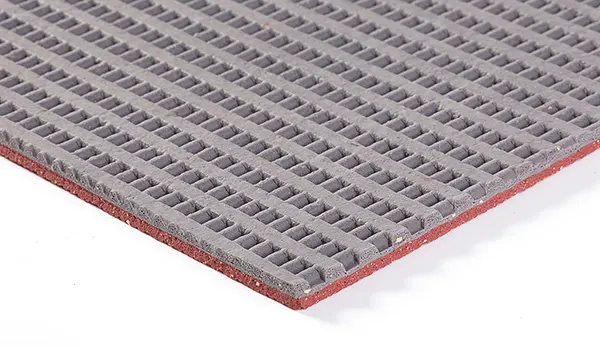
Facility managers, municipal planners, and commercial landscapers constantly evaluate the long-term viability of poured-in-place or tile rubber surfacing. These materials promise an excellent return on investment, boasting high initial safety ratings and visually appealing designs upon installation. However, reality quickly sets in once the public gains access. Continuous daily use introduces specific mechanical and environmental stresses. Foot traffic, cycling, and relentless weather exposure silently attack the material matrix over time. You might notice early signs of wear if the system lacks proper design for your specific climate or user volume.
Mitigating this premature wear requires aligning technical specifications directly with expected daily traffic volume. You must also commit to evidence-based maintenance protocols from day one. In this article, you will learn exactly how physical traffic and weather combine to break down these materials. We will explore key specifications to demand, proper installation techniques to enforce, and how to select resilient materials.
Key Takeaways
Traffic Compression: Daily use temporarily compresses the surface; long-term resilience depends heavily on the EPDM-to-binder ratio.
Environmental Synergies: Foot traffic combined with UV exposure and temperature fluctuations accelerates granulation if inferior aromatic binders are used.
Specification Reliance: Ensuring proper rubber walking path surface specifications (e.g., thickness, density, sub-base stability) is the primary defense against daily wear.
Supplier Due Diligence: Partnering with a vetted rubber walking path surface supplier mitigates the risk of rapid degradation and ensures warranty compliance.
The Mechanics of Daily Wear: How Traffic and Weather Impact the Surface
Every footstep applies downward force. This continuous pedestrian and light-wheeled traffic impacts the rubber matrix by temporarily compressing the materials. High tensile strength allows the surface to rebound instantly after bearing weight. When a surface lacks sufficient elasticity, permanent indentations begin to form. Optimal compression recovery ensures the path remains level and safe for all users over years of service.
Friction creates an entirely different set of challenges. Scuffing from shoes, stroller wheels, or dragged debris causes surface-level wear. This relentless abrasion slowly grinds down the top layer. Eventually, this friction leads to "granulation," a process where loose rubber granules break away from the main structure. Granulation typically occurs when the chemical binder degrades and loses its grip on the rubber particles. It creates a messy, unsafe walkway prone to larger structural failures.
Daily use does not happen in a vacuum; environmental realities multiply physical damage. Ultraviolet rays bake the surface daily, weakening standard binders through chemical breakdown. Standard aromatic binders become brittle under intense sunlight. Temperature fluctuations then cause the materials to expand and contract repeatedly. This constant thermal movement, combined with weakened binders, makes the surface highly susceptible to traffic-induced physical damage. People walking across a sun-baked, brittle path will tear the granules apart much faster than they would on a shaded, chemically stable surface.
Essential Rubber Walking Path Surface Specifications for Longevity
The structural integrity of any high-quality path relies on a precise two-layer system. The shock-absorbing Styrene-Butadiene Rubber (SBR) base layer provides essential cushioning. Meanwhile, the durable Ethylene Propylene Diene Monomer (EPDM) wear layer resists direct traffic and environmental exposure. Planners must recommend optimal wear layer thicknesses for high-traffic zones. A standard half-inch EPDM wear layer over a robust SBR base usually handles heavy daily pedestrian loads effectively.
Binder selection dictates the actual lifespan of the installation. You face a clear decision framework: aliphatic versus aromatic binders. Aliphatic binders resist UV rays perfectly and prevent traffic-induced flaking. They maintain structural elasticity and color integrity over decades. Conversely, aromatic binders turn yellow, harden, and eventually crumble under continuous sunlight. We strongly position aliphatic binders as necessary for outdoor longevity, despite their higher upfront costs. Securing proper rubber walking path surface specifications guarantees you avoid early material breakdown.
Material density impacts structural integrity directly under heavy daily use. High-density mixtures resist crushing forces from maintenance carts and heavy footfalls. However, density must balance against porosity. Porosity allows water permeability, ensuring rain drains away rather than pooling on top. You must carefully balance the need for adequate drainage against the need for tight surface cohesion. Too much porosity leaves large gaps between granules, which traffic easily rips apart.
Comparison of Polyurethane Binder Types for Outdoor Surfaces
| Binder Characteristic | Aliphatic Binder | Aromatic Binder |
| UV Resistance | Excellent (No yellowing) | Poor (Ambers and degrades) |
| Traffic Resilience | High elasticity retention | Becomes brittle over time |
| Cost Profile | Higher initial investment | Lower initial investment |
| Granulation Risk | Very Low | High (after 2-3 years of UV exposure) |
![Active crossover usage on a high quality rubber surface]()
Multi-Use Demands: Transitioning from Walking Paths to Active Zones
Modern public spaces rarely serve a single purpose. Walking paths frequently transition into active zones where users run, jump, and engage in dynamic exercises. The materials must accommodate this high-impact activity safely. Furthermore, mobility equipment places unique shear forces on the ground. ADA compliance requires a firm, stable surface so wheelchair wheels do not sink or get stuck. The materials must handle the twisting motions of tires without tearing the top wear layer.
Commercial solution benchmarking proves invaluable here. Integrated systems, such as the joyplay multifunction sport surface, are specifically engineered to handle crossover daily use. They support everything from casual walking to high-impact sports without structural failure. These advanced systems utilize highly refined EPDM mixtures and premium binders to absorb erratic kinetic energy. They bridge the gap between a simple aesthetic walkway and a professional-grade athletic facility.
Continuous daily use essentially polishes the surface texture over time. Friction from thousands of shoes smooths out the rough edges of the EPDM granules. This polishing effect eventually reduces traction. Planners must rely on standardized slip resistance testing to ensure wet and dry traction remains adequate over a 5-to-10-year lifespan. Routine pendulum slip tests help facilities monitor grip levels. Maintaining texture ensures users do not slip during rainy seasons or morning dew conditions.
Implementation Risks: Why DIY Fails and Professional Installation Matters
Facility owners sometimes attempt to cut costs using internal teams or unspecialized contractors. These do-it-yourself approaches almost always fail under the stress of daily traffic. Professional installation remains non-negotiable for commercial longevity. Precision chemistry and specialized paving equipment are mandatory for a seamless finish.
Sub-base preparation represents the most common failure point in the industry. Improper grading and poor compaction of the aggregate or concrete sub-base lead to immediate problems. When the sub-base settles unevenly, the rubber layer above it sinks. This creates depressions where rainwater pools continuously. Daily use across these submerged, water-logged sections degrades the binder rapidly, causing massive potholes in the walkway.
Binder mixing errors destroy the chemical integrity of the entire project. Installers must mix the polyurethane resin and rubber granules at exact ratios. Furthermore, incorrect temperature or humidity during the curing process compromises the binder's grip. High humidity causes the binder to foam, while low temperatures halt the curing entirely. These mistakes result in immediate wear issues, as the granules simply wipe away under normal foot traffic.
Professional installers also understand the vulnerabilities of perimeters. The edges of a walking path bear disproportionate stress. Pedestrians frequently step on and off the sides, applying heavy shear forces to the unprotected borders. Professional edging and anchoring techniques are strictly required to prevent curling and tearing. Installers typically use keyed-in edges or rigid borders to lock the materials firmly in place.
Sub-Base Compaction: Ensure 95% compaction of crushed stone to prevent future sinking.
Climate Control: Only pour materials when ambient temperatures and humidity fall within the manufacturer's strict parameters.
Trowel Pressure: Apply consistent downward pressure during hand-troweling to eliminate hollow voids inside the matrix.
Edge Anchoring: Trench the perimeters deeply to tuck and glue the edges securely beneath the grade level.
Choosing the Right Rubber Walking Path Surface Supplier
Selecting the correct manufacturing partner is just as critical as selecting the right materials. Evaluating a company's track record and warranty structure provides a logical shortlisting framework. Read the fine print carefully. You must discover what exclusions exist in standard warranties regarding "normal wear and tear." Many lower-tier companies void their warranties if the path experiences heavy foot traffic, effectively rendering the guarantee useless for a public park or busy commercial facility.
Brand and component sourcing require strict verification. Advise your purchasing teams to verify the exact origin of all materials. Commercial-grade testing certifications prove the materials can handle real-world abuse. For instance, when evaluating options or integrated systems utilizing components from manufacturers like goder, you must verify their laboratory testing results for tensile strength and UV stability. Never accept generic, unbranded granules for a commercial project.
Finally, partnering with a fully vetted rubber walking path surface supplier guarantees vital post-installation support. Assess suppliers based on their willingness to provide comprehensive maintenance training. They should offer transparent guidance on localized repairs. High-traffic pinch points—like park entrances or areas around benches—will naturally wear out faster than straightaways. A reliable supplier provides exact patching kits and protocols so your maintenance team can fix small spots before they become massive hazards.
Conclusion
Daily use will inevitably affect any poured or tiled surface. However, you completely control the rate of degradation through intelligent planning and material selection. Understanding how foot traffic, friction, and UV rays dismantle chemical bonds allows you to build stronger defenses. You can extend the lifespan of your pathways significantly by choosing premium components over budget alternatives.
Decision-makers should prioritize aliphatic binders for all sun-exposed areas to prevent early granulation. You must demand strict commercial-grade specifications regarding density and wear layer thickness. Finally, request detailed lifecycle performance models from your short-listed suppliers before issuing any Request for Proposal (RFP). These proactive steps ensure your pathways remain safe, visually appealing, and structurally sound for decades.
FAQ
Q: How long does a commercial rubber walking path surface last under heavy daily use?
A: A professionally installed commercial surface realistically lasts 10 to 15 years under heavy daily use. This timeline is heavily contingent on using premium aliphatic binders and adhering to routine cleaning schedules. Regular maintenance prevents abrasive dirt from grinding into the wear layer, significantly extending the overall lifespan.
Q: Does daily bicycle traffic damage poured rubber walking paths?
A: High-density commercial grades handle light bicycle traffic efficiently. They easily withstand standard tire friction and normal braking forces. However, motorized vehicles, heavy maintenance carts, or aggressive mountain biking cause severe shear damage. You should clearly designate paths for pedestrian and light wheeled use only.
Q: What is the required maintenance to combat daily wear and tear?
A: Maintain a concise, proactive cleaning cadence. Blow off loose leaves and abrasive debris weekly. Perform low-pressure washing monthly to remove embedded dirt and sticky residues. Conduct bi-annual visual inspections to check for early edge separation or surface granulation, allowing you to patch high-stress areas immediately.