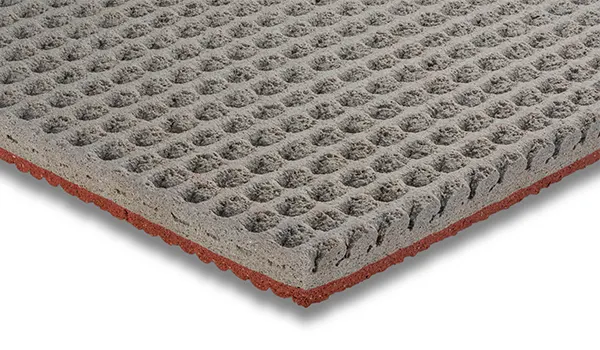
Upgrading or installing a new school running track is a high-stakes decision for athletic directors and facility managers. You must balance athlete safety, long-term durability, and rigorous performance metrics. Traditional poured-in-place systems have historically dominated the market. However, a prefabricated rubber running track now offers factory-controlled consistency. This eliminates many unpredictable on-site installation variables. This modern approach drastically reduces the risk of uneven layers and premature surface degradation.
High-traffic educational facilities suffer from rapid wear-and-tear. They also face fluctuating weather conditions. Finding a reliable solution prevents ongoing operational headaches. This guide provides a pragmatic, evidence-based framework. We help you evaluate and shortlist the right surface for educational institutions. We will explore biomechanical advantages, key material specifications, environmental standards, and critical base preparation requirements. You will gain actionable insights. These insights ensure your next track installation delivers consistent performance and maximum longevity.
Key Takeaways
- Consistency is built-in: Prefabricated systems guarantee uniform thickness and shock absorption, reducing injury risks for student-athletes.
- Compliance matters: Prioritize surfaces that meet World Athletics guidelines, NFHS standards, and environmental certifications (heavy-metal-free).
- Sub-base prep is critical: Even premium prefabricated tracks will fail if the underlying asphalt or concrete base lacks strict planar tolerances.
Why Prefabricated Rubber is Gaining Traction for School Projects
School facilities face immense daily pressure. High-traffic venues suffer from rapid wear-and-tear throughout the academic year. Unpredictable weather often delays construction schedules during crucial summer months. Facility managers need reliable solutions for these demanding environments. A synthetic rubber track built from prefabricated rolls directly answers these challenges.
Factory-controlled uniformity sets pre-manufactured rolls apart from traditional methods. Manual pouring methods often create uneven thickness. Troweled systems rely heavily on installer skill and stamina. Vulcanized rolls eliminate these human errors entirely. They guarantee consistent shock absorption across every square meter. You never have to worry about dangerous thin spots forming in high-impact zones.
Weather-resilient installation offers another major advantage. Poured systems require many consecutive dry days. They need optimal ambient temperatures and specific humidity levels to cure properly. Roll-based tracks bypass these strict atmospheric demands. Crews simply unroll and adhere the material to the prepared base. This streamlined process prevents long delays during sudden rainy seasons. You can maintain strict project deadlines more easily.
Durability remains a core reason for this industry shift. Top-tier rolls resist severe UV degradation from intense sun exposure. They handle heavy foot traffic effortlessly. The factory-vulcanized surface withstands aggressive mechanical damage better than liquid mixtures. Cleats and spikes will not shred the material easily. Educational institutions gain a resilient surface ready for daily punishment.
![Prefabricated Rubber Running Track Installation]()
Key Evaluation Criteria for an Athletic Track Surface
You must evaluate several critical factors before selecting a new system. Safety, material specifications, and campus versatility matter equally in an educational setting.
Biomechanics and Athlete Safety
Adolescent athletes need proper joint protection. Their growth plates remain vulnerable to repetitive stress. Force reduction measures how much impact the surface absorbs. High shock absorption prevents common ailments like shin splints and patellar tendinitis. World Athletics guidelines recommend specific force reduction thresholds. You must ensure the chosen surface meets these rigorous global standards.
Vertical deformation balances energy return and joint protection. A track cannot be too soft. Soft surfaces drain kinetic energy and slow down sprinters. Too stiff, and athletes risk chronic injuries over time. Prefabricated systems deliver the optimal balance. They provide enough stiffness for maximum sprint speed. They simultaneously offer enough give to protect developing joints.
Slip resistance prevents catastrophic falls during high-speed races. Friction matters equally in dry and wet conditions. Top-grade rolls feature specialized top textures molded into the rubber. These textures grip athletic footwear aggressively during rain. Athletes can sprint safely regardless of morning dew or light showers.
Best Practice: Request independent lab reports proving the surface meets World Athletics force reduction thresholds.
Common Mistake: Prioritizing stiffness for speed over shock absorption in high school environments. Adolescent joints require adequate cushioning to prevent long-term injuries.
Material Specifications and Formats
Thickness dictates overall performance and longevity. High schools typically require 13mm to 14mm tracks. This specific thickness accommodates standard spikes without puncturing the sub-base beneath. Thinner options might fail under competitive use. Always verify the exact physical thickness specifications before signing procurement contracts.
Surface texture impacts both athlete grip and facility maintenance. Manufacturers generally offer embossed or mineral finishes. Embossed textures integrate the pattern directly into the rubber during vulcanization. Mineral finishes use embedded granules to create traction. Understanding these differences helps streamline future upkeep.
| Feature | Embossed Finish | Mineral Finish (Granules) |
| Traction Mechanism | Molded rubber patterns | Embedded EPDM granules |
| Maintenance Level | Low (easy to wash) | Moderate (granules can dislodge) |
| Durability | Extremely high | High, but top layer wears faster |
| Visual Aesthetics | Uniform and consistent | Textured, slight color variations |
Multi-Sport Usability
Schools rarely use their tracks solely for running events. The infield often hosts football games every Friday night. Marching bands practice on the straightaways throughout the fall. Community events bring heavy equipment onto the lanes. You need a highly resilient surface for these multi-sport demands.
Evaluate how the material handles heavy static loads. Graduation bleachers and equipment carts can indent softer surfaces. Vulcanized rubber bounces back from severe compression quickly. It resists permanent deformation from temporary heavy loads. This structural versatility makes it ideal for busy, multi-purpose educational campuses.
Lifecycle and Maintenance Considerations
Selecting a new surface requires focused long-term thinking. A premium prefabricated system requires a dedicated initial commitment. However, it delivers a highly predictable 15-to-20-year lifecycle. You avoid the frequent resurfacing cycles characteristic of inferior materials. The factory-cured rubber withstands decades of daily use without losing its structural integrity.
Maintenance baselines differ greatly between track types. Basic latex systems demand constant attention from facility staff. You must patch worn areas frequently. Prefabricated rolls require minimal annual upkeep. You only need routine pressure washing to remove dirt. Occasional line restriping keeps the competitive lanes visible. You entirely eliminate the burden of complex chemical resurfacing operations.
Warranty analysis provides crucial peace of mind for facility directors. You must separate manufacturer warranties from installer warranties. Look for comprehensive coverage from the material creator. A strong warranty covers catastrophic delamination and severe UV fading. It should also protect against inherent manufacturing material defects. The installer should separately guarantee the adhesive bond and seam integrity. Always read the fine print before finalizing any contract.
Best Practice: Schedule a gentle pressure wash every spring to remove embedded dirt and organic debris.
Common Mistake: Using harsh chemical solvents to clean lane lines. These harsh chemicals degrade the vulcanized top layer prematurely.
Environmental Standards: Sourcing an Eco-Friendly Running Track
Sustainability plays a massive role in modern school construction. You must prioritize safe, non-toxic materials for student environments. A true eco-friendly running track protects both students and the local ecosystem.
Material composition defines the track's environmental footprint. Manufacturers use various rubber compounds to build the final rolls.
- Virgin Rubber: Offers premium elasticity and pure color saturation. It contains no unknown recycled elements.
- Recycled SBR: Styrene-Butadiene Rubber often comes from recycled tires. It provides an excellent, highly sustainable base layer for shock absorption.
- EPDM: Ethylene Propylene Diene Monomer resists harsh UV rays perfectly. It caps the top layer for maximum weather durability.
Toxicity and off-gassing demand strict procurement scrutiny. School environments require absolute safety for developing athletes. You must select products completely free of heavy metals. Avoid any materials containing mercury or excessive VOCs. Hot summer days can cause inferior tracks to release harmful chemical fumes. Certified materials guarantee clean air for heavily breathing runners.
Industry-recognized standards help guide your material selection. For example, the GOMER track represents high environmental compliance in athletic surfacing. Greenguard-certified materials also demonstrate rigorous safety. These specific labels prove the product passed strict independent testing. You protect your institution from future health liabilities and community pushback.
End-of-life recyclability matters deeply for forward-thinking institutions. Tracks eventually wear out after two decades of use. You should know where the material goes next. Vulcanized rubber can often be milled down. Progressive manufacturers recycle old tracks into new playground safety surfaces. This closed-loop lifecycle prevents massive amounts of landfill waste.
Implementation Risks: What to Know Before Breaking Ground
Even the best materials fail if crews install them incorrectly. You must manage several critical on-site risks diligently.
The sub-base prerequisite dictates the entire project's success. A prefabricated roll is only as good as its foundational layer. The underlying asphalt or concrete must meet extremely strict planar tolerances. Minor dips or bumps will telegraph directly through the rubber. You must ensure the base holds a strict variation limit. Often, this means allowing no more than 3mm deviation over a 3-meter straightedge.
Adhesive and seam integrity present the biggest failure points. Rolls meet at long seams across the oval layout. Poorly glued seams will separate over time due to weather expansion. Water infiltrates these gaps and destroys the chemical bond completely. You must hire certified, experienced installation contractors. They understand the precise adhesive ratios required for specific climates. They know how to weight the seams properly during the curing process. Properly secured seams ensure a flawless athletic track surface.
Curing times and project sequencing require highly realistic expectations. You cannot rush the construction timeline without risking failure. New asphalt requires a strict curing period before accepting rubber. It usually takes 28 days for the internal oils to evaporate. Adhering rubber too early traps these oils underneath. The adhesive will fail, causing massive surface bubbling. Factor this mandatory waiting period into your master master schedule.
Best Practice: Require your contractor to perform a water flood test before laying the rubber. This identifies hidden depressions immediately.
Common Mistake: Rushing the asphalt curing process. Applying rubber before 28 days traps oils, destroying the adhesive bond completely.
Conclusion
Choosing a prefabricated system fundamentally shifts your project risk profile. You move away from unpredictable on-site chemical mixing and weather dependence. You gain factory-controlled reliability and guaranteed uniform thickness. This approach ensures maximum safety for student-athletes. It also provides unparalleled durability against harsh weather and heavy foot traffic.
Decision-makers should take immediate action based on these factors. Initiate a professional site survey to assess your current sub-base condition. Request physical material samples from shortlisted manufacturers. Feel the texture and evaluate the exact thickness yourself. Consult structural engineers to confirm asphalt planar tolerances. These proactive steps ensure your final proposal targets the highest possible quality standards.
FAQ
Q: How long does a prefabricated rubber running track last?
A: A high-quality prefabricated system typically lasts 15 to 20 years. Factory vulcanization ensures the rubber resists degradation over time. You must perform routine maintenance, such as gentle pressure washing and keeping heavy vehicles off the surface. Proper care easily extends its lifespan to the maximum expected range.
Q: Can a prefabricated track be installed over an existing surface?
A: You generally must remove the old synthetic surface first. A structural audit determines if the existing asphalt or concrete base remains sound. Sometimes, contractors can mill and reuse the old base. The new foundation must meet strict planar tolerances before any new rolls are applied.
Q: What is the difference between EPDM and polyurethane track materials?
A: EPDM is a synthetic rubber known for exceptional UV resistance and elasticity. Prefabricated tracks use vulcanized EPDM rolls manufactured in a factory. Polyurethane systems involve liquid chemicals mixed and poured on-site. Vulcanized rubber offers superior uniformity, while polyurethane can suffer from inconsistent thickness due to manual troweling.
Q: Are prefabricated tracks suitable for all climates?
A: Yes, they perform exceptionally well in diverse climates. The vulcanized rubber withstands extreme freeze and thaw cycles without cracking. They also resist severe UV radiation in hot regions. Unlike porous poured systems, moisture cannot easily penetrate the solid rolls, preventing subsurface ice damage.