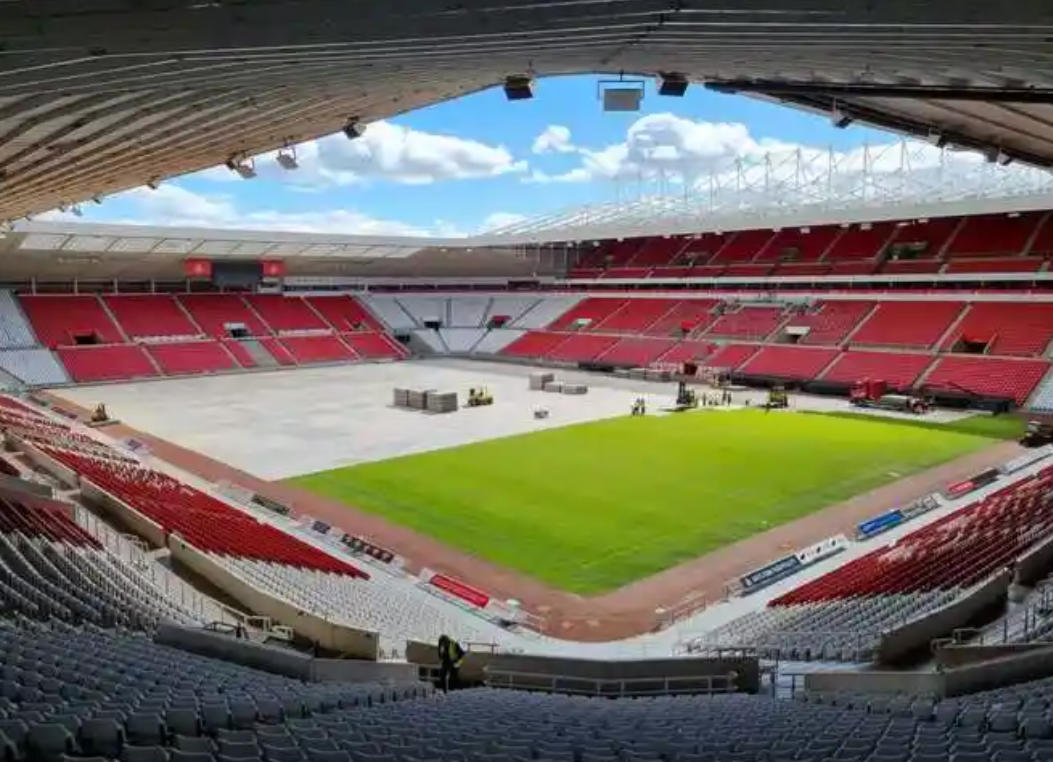
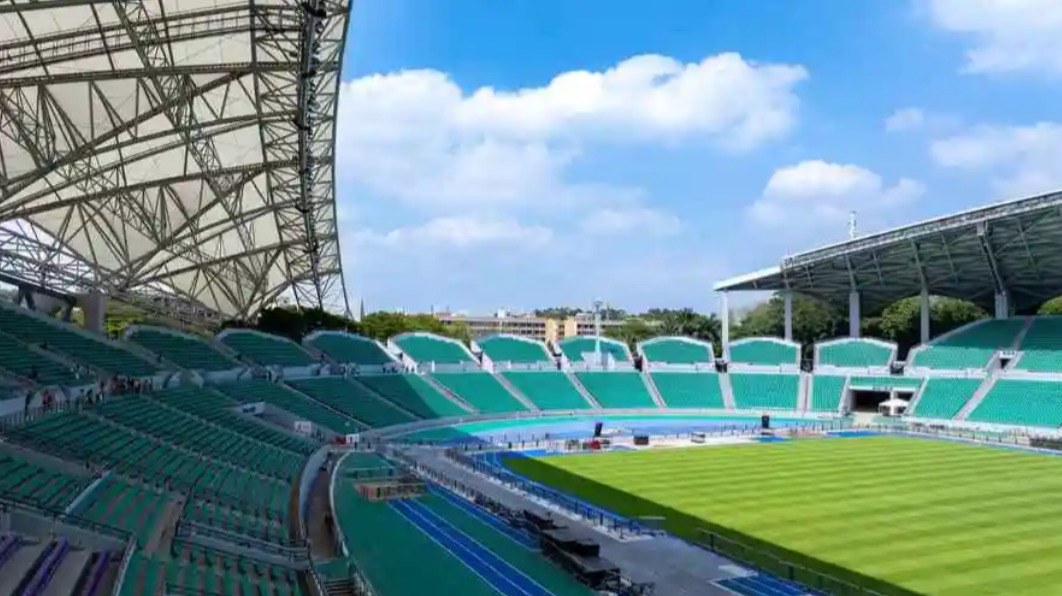
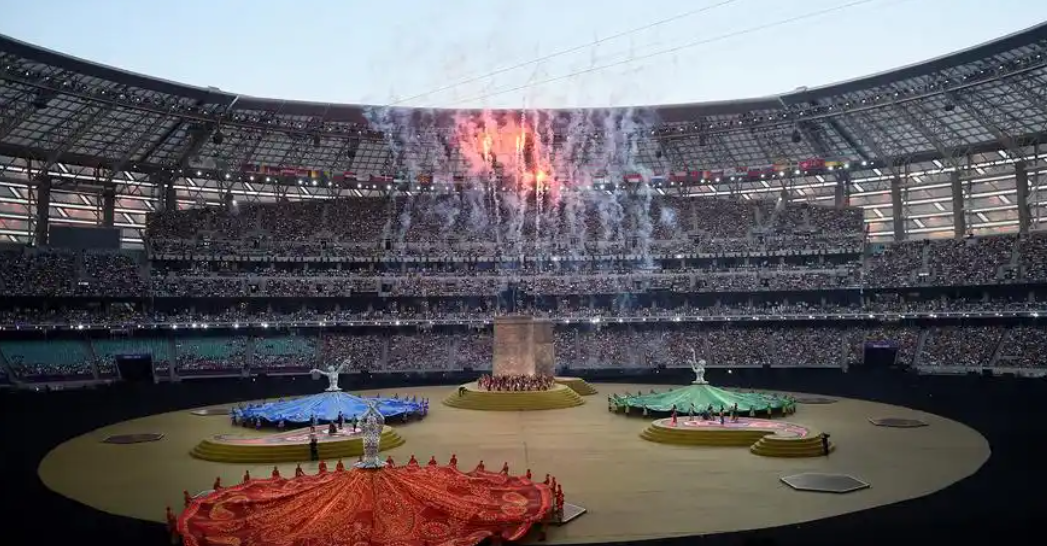
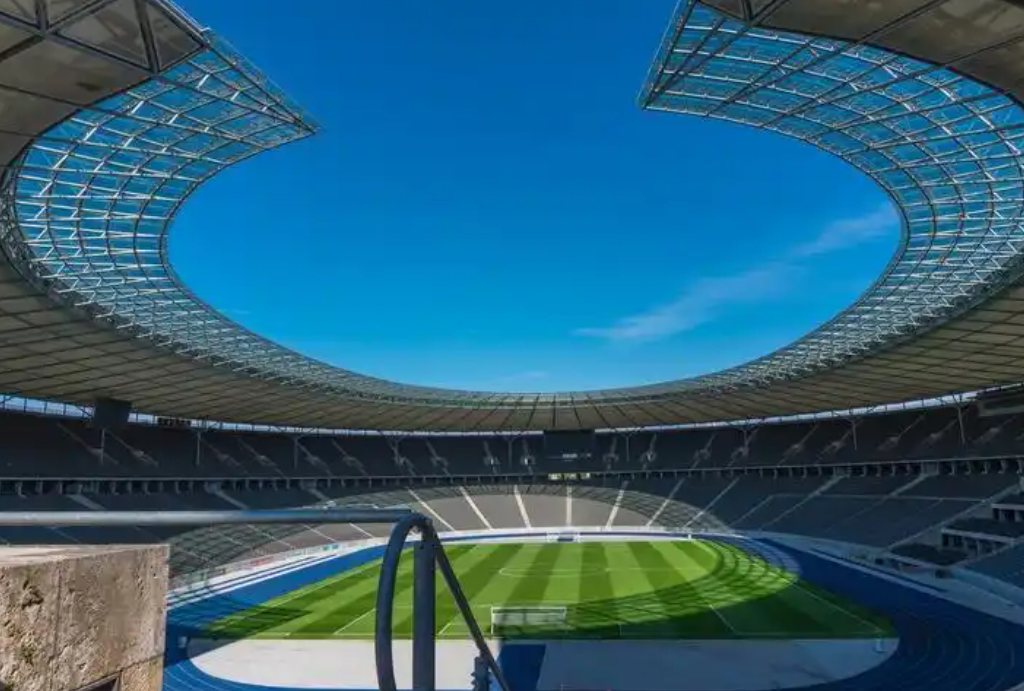
![Incheon Asian Games Main Stadium]()
I. Introduction
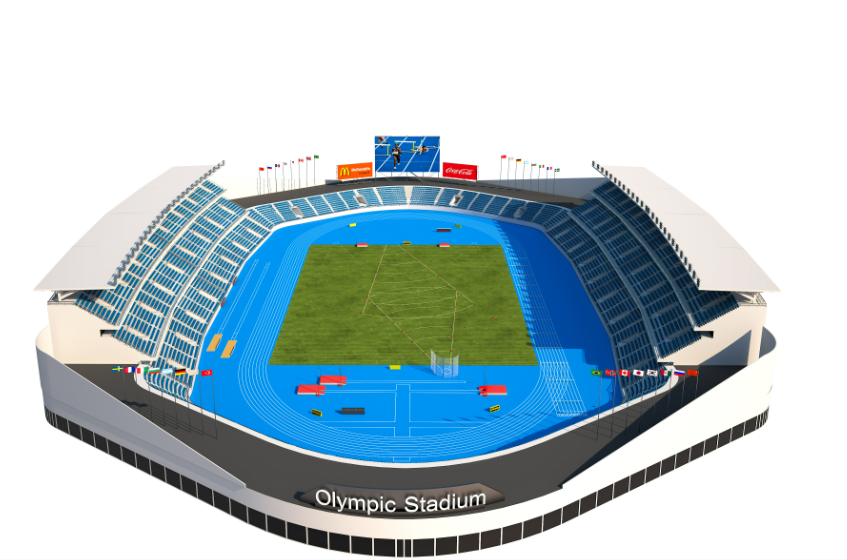
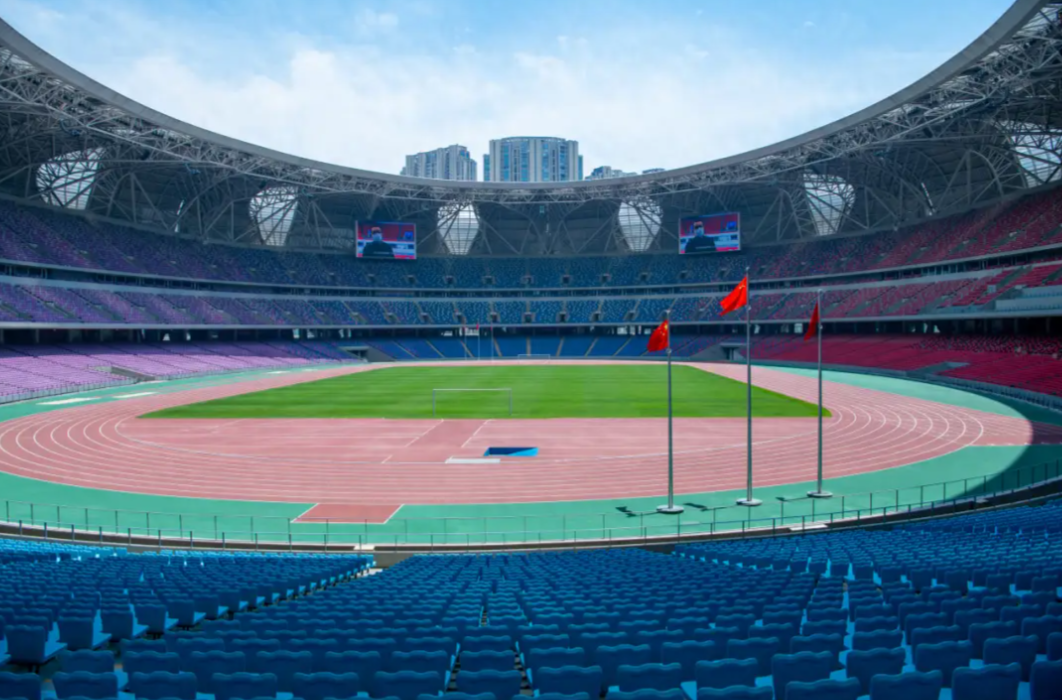
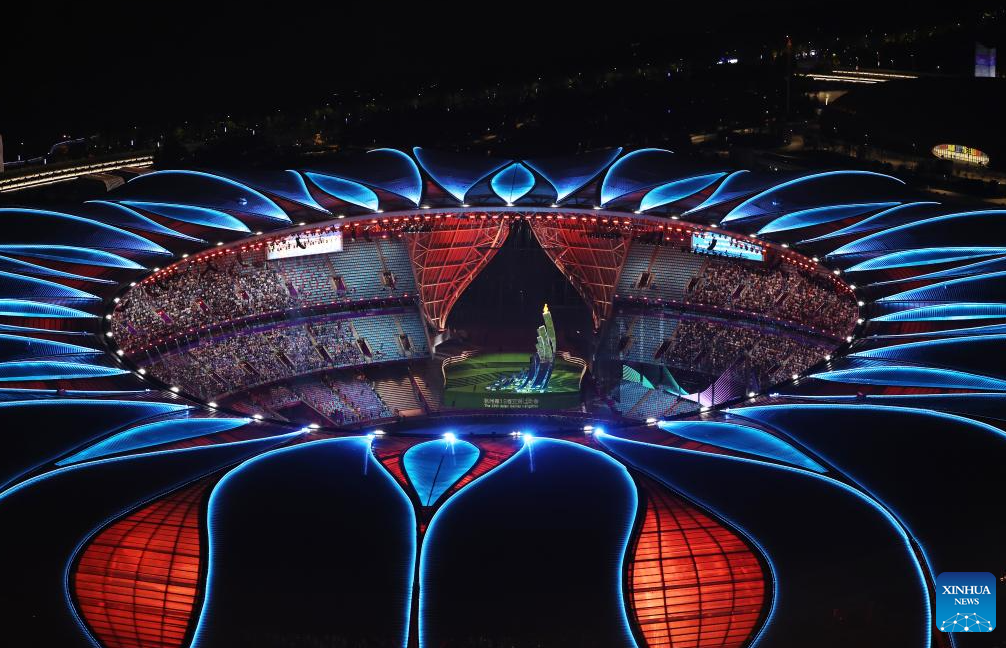
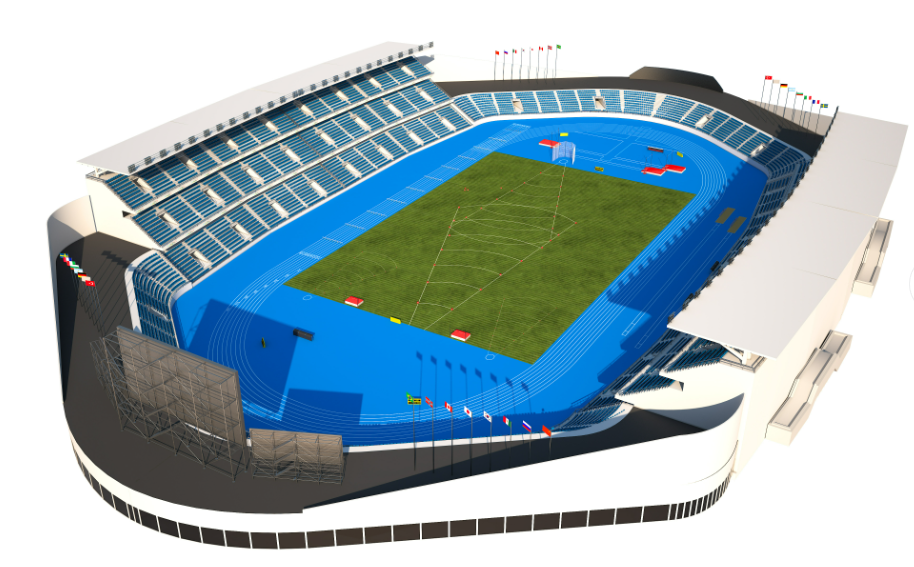
Some stadium cases matter because they look impressive in a project list. The Incheon Asian Games Main Stadium matters for a deeper reason. On Huadong Track's official project page, it is presented as an `IAAF Class 1 Facility Certified` stadium project from 2014, which immediately places it in a more demanding category of venue work.
![Incheon Asian Games Main Stadium]()
At that level, the running track is not judged only by how it looks or whether it opens on time. It is judged by whether the surface can support stricter expectations around geometry, consistency, weather behavior, and final confidence in the venue standard.
II. Why a Class 1 Stadium Case Is Important
1. The standard of judgment is different
At lower project levels, owners may focus first on budget, visible finish, and general usability. In a Class 1-type venue, those issues still matter, but they are no longer the whole conversation.
![Incheon Asian Games Main Stadium]()
The project enters a level where accuracy, continuity, and disciplined construction control carry much more weight. That changes the kind of questions serious buyers should ask.
2. Environmental pressure becomes more significant
For a large stadium environment in East Asia, humidity, moisture behavior, and long-term bonding stability are not minor background issues. They are part of the real construction challenge. A high-level venue exposes those weaknesses quickly if the system or the installation process is not controlled tightly enough.
III. Where GOTER Comes Into the Picture
1. GOTER represents full-thickness prefabricated control
Within Huadong Track's running track range, GOTER is the product most naturally associated with this kind of high-level athletics venue discussion. On the company's products page, the prefabricated running track family is described with a `1.22 m` width, `15-20 m` length, and `9-13 mm` thickness range, with a double-layer integrated structure highlighted in the product description.
For a venue discussed in Class 1 terms, that matters because it points to a system built around controlled manufacturing logic rather than full wet-layer construction entirely dependent on site conditions.
2. Higher-level venues reward consistency above all
In top-tier athletics environments, consistency is not an abstract advantage. It is a practical one. Lane continuity, curve finish, seam quietness, and marking accuracy all become more important when the venue is expected to meet a stricter standard.
![Incheon Asian Games Main Stadium]()
That is why a prefabricated system like GOTER is worth discussing in relation to a project like Incheon. It narrows part of the uncertainty before the material reaches the site.
IV. What the Construction Would Have Needed to Control
1. Base precision would have been non-negotiable
A track associated with a Class 1 venue cannot tolerate weak base preparation for long. Local irregularity, drainage inconsistency, or poor transition handling will usually show up sooner or later through the surface.
That makes base acceptance more than a routine pre-installation step. It becomes one of the first real indicators of whether the final track can hold the level expected of the venue.
2. Seam quality would have carried more than visual importance
On an ordinary project, seam defects may first appear as an appearance issue. In a high-level stadium, they carry broader meaning because they affect how the whole surface is judged. A visible seam, a poorly closed edge, or a weak bonding line creates doubt about the discipline of the installation as a whole.
![Incheon Asian Games Main Stadium]()
This is why seam handling in projects like Incheon should be understood as part of performance control, not just surface finishing.
3. Humidity would have raised the importance of adhesive and timing control
Moisture-sensitive conditions put extra pressure on every stage of prefabricated installation. If the base is not dry enough, if adhesive timing is rushed, or if protection is weak during curing, even a well-designed system can lose stability.
At a venue of this level, those risks matter more because there is much less room for preventable error.
V. What the Project Implies After Delivery
1. Continued showcase use is meaningful
Huadong Track still presents the Incheon Asian Games Main Stadium as a showcase project, and the Class 1 wording remains part of that presentation. That matters because it suggests the case still holds value inside the company's own performance narrative.
A project that stays visible this long is usually doing more than filling a line in a list. It continues to represent a standard the company is willing to stand behind.
2. Long-term credibility matters more than one-day completion
For high-level stadiums, the real question is not whether the project looked acceptable the day it was finished. The real question is whether it remained a respectable reference afterward.
![Incheon Asian Games Main Stadium]()
That is where post-delivery confidence becomes part of the story. A venue case only remains useful if the result still feels credible over time.
VI. Conclusion
![Incheon Asian Games Main Stadium]()
The Incheon Asian Games Main Stadium is an important case because it connects venue standard, environmental pressure, and surface control in one project story. It shows that a high-level track discussion is never just about material selection. It is also about whether the system and the installation process can stand up to a more demanding venue context.
That is where GOTER becomes relevant. In this kind of case, it represents a prefabricated running track approach built around stronger consistency and better control. For owners, consultants, and contractors looking at higher-level stadium work, Huadong Track can help connect that product logic to the practical reality of venue delivery.
![Incheon Asian Games Main Stadium]()
VII. FAQ
1. Why is a Class 1-related stadium project different from a normal track project?
Because the venue is judged under a stricter standard. Surface consistency, geometry, construction discipline, and long-term confidence all matter more.
2. Why is humidity so important in this kind of installation?
Because moisture affects adhesive behavior, curing stability, and long-term surface reliability. In a high-level venue, those risks become more serious.
3. Does a prefabricated track automatically guarantee success?
No. It reduces some construction uncertainty, but the final outcome still depends heavily on base quality, seam handling, adhesive control, and line marking discipline.
4. What is the most meaningful post-project signal in a case like this?
The strongest signal is that the project remains credible enough to stay in the company's long-term showcase references, especially with a Class 1-style standard still attached to it.