Procuring surface materials for a large-scale stadium isn't just a basic construction purchase. It represents a massive, multi-decade infrastructure investment. Planners build the foundation for athletic excellence through careful selection. For large venues, choosing the proper surface strictly dictates facility compliance. It impacts athlete safety directly on a daily basis. Poor selections increase operational overhead drastically over time. Facility directors must evaluate options objectively to secure event-hosting eligibility. A poorly chosen surface jeopardizes seasonal schedules. It also damages the facility's reputation among top-tier athletes.
This checklist strips away confusing marketing jargon completely. We provide a rigorous, RFP-ready evaluation framework for decision makers. Bulk buyers, facility directors, and stadium contractors will gain clear insights here. You will learn exactly how to vet suppliers effectively. You will also discover how to match materials to specific climate demands.
Key Takeaways
Compliance is Non-Negotiable: Materials must meet strict governing body tolerances (e.g., World Athletics, NCAA) for shock absorption and energy return.
Sub-base Dictates Success: Even premium materials will fail prematurely without rigorous asphalt or concrete sub-base engineering and drainage testing.
Supplier Vetting is Critical: A qualified supplier provides verifiable lab test data, localized climate customization, and transparent warranty constraints.
Defining Success: Evaluation Criteria for Large Venues
Replacing or installing a stadium track involves high capital expenditure. A successful procurement balances initial budget, athletic performance, and long-term durability. We must frame this business problem carefully. You cannot afford mistakes during the specification phase. Planners need a clear understanding of large venues stadium running track material requirements.
High-traffic resilience remains a primary concern for facility managers. Surfaces must withstand constant punishment from spiked shoes. They also endure heavy maintenance equipment rolling across the lanes. Multi-sport crossover traffic happens frequently in modern stadiums. Football teams and marching bands often cross the track. The material must resist tearing or delamination under these harsh conditions. We recommend prioritizing high tensile strength to combat this severe wear.
Hosting eligibility drives many crucial material decisions. You must align your material selection strictly. Match it to the intended competition tiers for your venue. For example, Class 1 or Class 2 World Athletics certified facilities demand specific surface characteristics. You cannot host top-tier international events without meeting these strict tolerances. Assess your long-term hosting goals before writing the RFP.
Risk mitigation plays a vital role in facility management. Identifying the hidden operational risks of poor selection saves immense frustration. Failed drainage ruins sub-bases rapidly. Surface hardening over time causes severe athlete injuries. Improper installation easily voids valuable supplier warranties. Planners must anticipate these pitfalls early. You can avoid disasters through careful vendor selection. Thorough site preparation also minimizes future risks.
Assess your venue's daily usage volume and multi-sport needs accurately.
Determine the highest tier of competition intended for the facility.
Evaluate local environmental stressors impacting surface longevity.
![article image]()
Core Stadium Running Track Material Specifications
Objectively comparing industry-standard surface systems prevents costly errors. Planners must understand the distinct categories of stadium running track material available today. We will break down the most common solutions. You can then make an informed, evidence-based decision.
Industry-Standard Solution Categories
Full-Pour Polyurethane (PU) Systems represent the absolute elite standard. They are entirely impermeable and completely seamless. They offer the highest possible energy return for athletes. Top-tier collegiate and professional stadiums prefer this premium option. It provides unmatched performance for elite sprinters and distance runners. We consider it the gold standard for World Athletics certification.
Sandwich Systems (Dual-Layer) offer a highly effective balanced approach. They feature a porous rubber base beneath an impermeable top layer. Regional stadiums often choose this specific system. It delivers excellent performance metrics without maxing out the facility budget. You get top-tier surface feel alongside manageable installation demands.
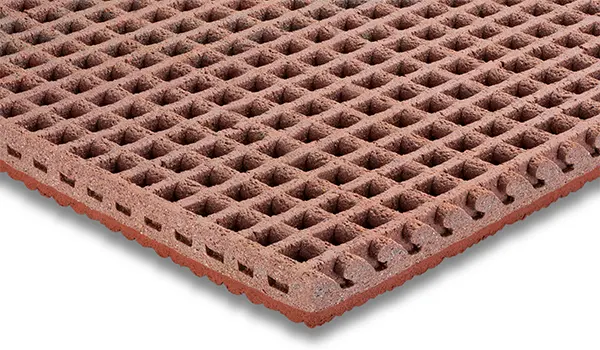
Prefabricated Rubber Tracks feature factory-calibrated thickness. They guarantee exact uniform performance across the entire oval. They are incredibly durable against heavy spike traffic. However, they require absolute perfection in sub-base leveling. Minor asphalt flaws will cause major issues. Air pockets can form underneath the surface easily.
Spray-Coat (Porous) Systems are highly permeable and drain quickly. They fit tighter budgets very well. Training tracks and high schools often utilize these surfaces. We do not recommend them for high-stakes competition stadiums. They simply lack the extreme durability required for elite multi-sport venues.
Surface System Comparison
| System Type | Permeability | Best Use Case | Installation Difficulty |
| Full-Pour PU | Impermeable | Pro / Elite College | High |
| Sandwich System | Semi-Impermeable | Regional Stadiums | Medium |
| Prefabricated Rubber | Impermeable | Olympic Venues | Very High |
| Spray-Coat Porous | Highly Permeable | Training Tracks | Low |
Features-to-Outcomes
Translating stadium running track material specifications into practical outcomes matters immensely. Technical specs often confuse many well-intentioned buyers during procurement. Tensile strength translates directly to long-term physical longevity. High tensile strength means fewer surface tears from cleats and spikes. Friction coefficients dictate slip resistance during adverse weather. Better friction means faster, safer sprint times during wet conditions. Shock absorption impacts athlete health on a daily basis. Proper absorption means drastically fewer lower-leg injuries during repetitive training. Energy return metrics dictate how much bounce an athlete feels. Higher energy return reduces fatigue during long-distance events. Planners must connect raw technical data to actual human outcomes.
Custom Stadium Running Track Material and Climate Adaptability
Site-specific engineering dictates the ultimate success of your facility. There is no universal best material for every location. Climate strictly determines your ideal surface specification. Buyers must demand precise chemical formulations. We highly recommend consulting local environmental data first before drafting procurement documents.
Variables to Specify in Your RFP
UV Resistance requires highly specific chemical formulations. High-sun exposure regions demand this intense protection. Intense UV rays cause premature rubber hardening. They also cause severe, unsightly color fading. Planners in sunny climates must prioritize advanced UV stabilizers. Do not accept standard formulations in desert or tropical zones.
Freeze-Thaw Durability significantly impacts cold-climate installations. Materials expand and contract drastically during freezing winter months. Sufficient flexibility prevents severe surface cracking. Your RFP must demand explicit cold-weather testing data. You must ensure the polymer binders handle rapid temperature swings efficiently.
Drainage and Permeability depend heavily on local rainfall averages. You must match material porosity to existing stadium infrastructure. Poor drainage destroys high-quality tracks very quickly. Standing water degrades adhesives and rubber binders rapidly. Evaluate your regional precipitation trends carefully.
Color Customization offers excellent franchise branding opportunities. Universities often utilize custom stadium running track material matching specific brand colors. Blue, green, or grey tracks look highly distinct. However, non-standard colors often carry a noticeable premium. They also face unique UV stability challenges compared to traditional red rubber. You must ask suppliers for rigorous colorfastness guarantees.
Sub-Base Preparation and Implementation Risks
The surface material is only as good as the ground beneath it. Implementation realities often shock first-time facility buyers. Asphalt or concrete sub-bases require meticulous civil engineering. A flawless track surface cannot hide a bumpy foundation. We see many projects fail due to rushed base work.
Critical Risk Factors
Planarity requirements involve incredibly strict tolerances. Installers typically demand 3mm variations over a 3-meter straight edge. This extreme flatness prevents dangerous water pooling. Even minor sub-base divots cause significant performance issues. Athletes notice subtle surface undulations immediately.
Curing times frequently test aggressive project timelines. New asphalt requires strict minimum wait times. You usually wait 28 days before applying polyurethane or rubber. Rushing this specific process causes catastrophic chemical failures. Outgassing from fresh asphalt ruins track adhesion completely. You must build this waiting period into your master schedule.
Moisture testing prevents bubbling and disastrous delamination. Requirements for base dryness remain completely unforgiving. Installers must test concrete or asphalt rigorously prior to application. Trapped sub-base moisture vaporizes rapidly under the hot sun. This vapor pushes upward aggressively. It creates massive bubbles in the track surface. Repairing these bubbles requires destructive cutting and patching.
How to Vet a Stadium Running Track Material Supplier
Moving beyond the polished sales pitch requires objective vendor qualification. Evaluating authoritativeness and reliability protects your facility investment. You need a highly structured approach to shortlist candidates. A reliable stadium running track material supplier welcomes rigorous, data-driven scrutiny. They will provide documentation gladly.
Key Shortlisting Logic
Certifications prove strict adherence to industry rules. Do they provide current, independent lab testing reports? Independent labs must verify World Athletics or NFHS standards. Never accept internal marketing sheets as actual proof. Ask for the official laboratory certificate documents.
Supply Chain and Bulk Logistics matter deeply for large venues. Can they guarantee exact batch consistency? Massive square footages require enormous raw material volumes. Inconsistent chemical mixing ruins surface uniformity across the oval. Ask detailed questions regarding their direct manufacturing capacity.
Warranty Transparency reveals true supplier confidence and integrity. Do they clearly outline exact void conditions? Some warranties exclude specific types of athletic footwear. Others forbid using unapproved facility cleaning chemicals. You must read the fine print thoroughly before signing. Identify any unreasonable maintenance clauses immediately.
Track Record demands highly relevant historical proof. Demand reference sites featuring very similar climate profiles. These specific sites must be over five years old. Brand new installations always look fantastic initially. Five-year-old tracks reveal the true quality of materials. We recommend visiting these older sites in person.
Conclusion
Purchasing stadium track materials requires a highly disciplined approach. Buyers must focus on evidence-based evaluation. Precise engineering specifications drive better decisions. Environmental suitability ensures long-term performance. You must ignore flashy marketing pitches. Focus instead on verifiable metrics.
Take action using these next steps:
Conduct a professional geotechnical audit assessing your stadium's current sub-base.
Draft an RFP utilizing the precise specifications and climate requirements outlined above.
Request physical material samples alongside independent testing data from your shortlisted suppliers.
FAQ
Q: What is the average lifespan of professional stadium running track material?
A: Premium polyurethane and prefabricated rubber systems typically last 10 to 15 years. This lifespan assumes proper routine maintenance. Facilities usually perform a structural resurface around year seven or eight. Harsh climates or extreme high-traffic crossover events can slightly reduce this timeframe.
Q: How do I ensure my track meets World Athletics standards?
A: You must specify certified materials in your initial RFP. However, certified material alone does not guarantee a certified track. You need professional installation by highly experienced contractors. Finally, you must arrange for strict post-installation site testing by an independent, accredited laboratory.
Q: Are prefabricated rubber tracks better than poured polyurethane?
A: Prefabricated rubber offers guaranteed, factory-calibrated uniformity. Poured polyurethane provides seamless, highly customizable performance. The better option depends entirely on your specific sub-base precision and available project funds. Prefabricated tracks require flawless asphalt underneath. Poured systems handle slight micro-variations better during installation.
Q: What are the hidden maintenance requirements for large venue tracks?
A: Large venues face several routine maintenance demands. You must budget for regular line repainting. Porous systems require specialized deep cleaning to maintain proper drainage. High-wear zones, like starting blocks and hurdle placement areas, often need minor patching to prevent wider surface degradation.