Facility owners face a critical decision when upgrading athletic surfaces. Selecting the wrong running track material leads to premature degradation, increases athlete injury rates, and triggers costly remediation. Traditional poured-in-place systems remain highly vulnerable to unexpected weather delays and manual mixing errors on site. In contrast, a prefabricated track roll provides exceptional factory-controlled uniformity. It delivers precise thickness and offers verifiable performance metrics right out of the box. To protect your investment and ensure athlete safety, you must critically evaluate base materials and wear layers. You should also analyze specific technical standards before issuing any request for proposal. In this guide, you will discover how to navigate complex material compositions and biomechanical tradeoffs. We also cover crucial installation realities to help you select the ideal surface for your specific venue.
Key Takeaways
The Core Material Composition of Prefabricated Track Rolls
Buyers must understand what goes into their running surface before making a multi-decade investment. Manufacturers engineer these surfaces using highly specific chemical formulations. Each layer serves a distinct mechanical purpose. When you compare products, you evaluate two primary categories of materials.
Dual-Layer Vulcanized Rubber
Top-tier facilities generally prefer vulcanized rubber. The manufacturing process uses intense heat and pressure to cross-link polymer molecules. This creates an incredibly durable, unified material. It typically consists of two specialized layers.
Top Layer (Wear): Manufacturers build this layer using virgin synthetic rubber, commonly known as EPDM. They engineer it specifically for high UV resistance and robust spike resistance. The textured surface ensures reliable all-weather traction for athletes.
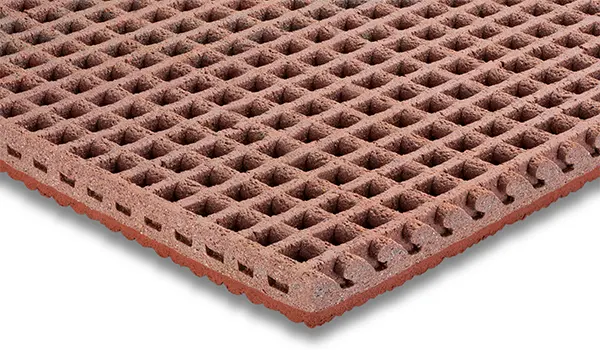
Bottom Layer (Cushion): Engineers design this layer with a geometric structured rubber base. They often utilize recycled SBR materials here. The hexagonal or honeycomb cavities handle dynamic load deflection and promote efficient drainage.
Polyurethane/Rubber Blends
Some vendors offer hybrid rolls. These blend polyurethane binders and recycled rubber granules. You must carefully evaluate the ratio of binder to granule. A low binder ratio compromises structural integrity. A high ratio increases costs.
You face a clear trade-off here. Hybrid blends offer excellent cost-efficiency upfront. However, they struggle to retain long-term elasticity under extreme temperature fluctuations. Cold winters cause them to stiffen, while hot summers make them overly pliable.
ESG and Recycled Content Considerations
Environmental mandates shape modern procurement decisions. You should assess the percentage of post-consumer recycled rubber inside the product. High recycled content helps facilities achieve green building certifications. However, you must balance sustainability mandates against performance. High-traffic athletic venues require uncompromising structural integrity. Ensure the manufacturer does not sacrifice tensile strength simply to boost their eco-friendly marketing claims.
![Evaluating the biomechanical performance of a running track surface]()
Evaluating the "Soft vs. Hard" Biomechanical Trade-off
Selecting the right durometer (hardness) dictates athlete satisfaction. A surface performs very differently for a distance runner compared to a sprinter. You must align the material properties to your primary user base.
The Athlete's Perspective (Voice of Customer)
Runners offer consistent feedback across different venues. They routinely report joint fatigue and painful shin splints on overly hard tracks. Conversely, they complain of sluggish times on surfaces feeling too soft. Understanding these complaints helps you find the optimal middle ground.
Force Reduction (Shock Absorption)
Force reduction measures how much impact energy the surface absorbs. High force reduction remains essential for daily training facilities and high schools. Long-distance runners rely on it to mitigate impact injuries over high mileage.
To achieve this, the material requirement is straightforward. You need thicker, highly compressible bottom layers. These geometric voids collapse upon impact, cradling the athlete's foot and protecting their joints.
Vertical Deformation & Energy Return
Competitive sprinting demands entirely different biomechanics. Collegiate and professional venues prioritize raw speed. Athletes need the surface to push back instantly. We call this energy return.
This demands a specific material requirement. You must specify denser vulcanized top layers. A firmer track limits vertical deformation. It rebounds kinetic energy efficiently, allowing sprinters to maximize their forward propulsion.
Biomechanical Decision Matrix
| Primary Facility Use Case | Priority Metric | Recommended Material Characteristic | Injury Risk Mitigation |
| High School / Multi-use | Shock Absorption | High force reduction (softer cushion) | Excellent for shin splints |
| Distance Training Center | Joint Protection | Thick geometric base layer | Maximum impact deflection |
| Collegiate Competition | Energy Return | Firm top wear layer | Requires proper sprint footwear |
| Elite / Professional Sprinting | Vertical Deformation | Dense vulcanized rubber composition | Minimal energy loss |
Essential Prefabricated Track Roll Specifications to Mandate
Never accept vague marketing brochures. Standardizing your prefabricated track roll specifications ensures a fair bidding process. You must mandate strict technical parameters before signing any contract.
Thickness Tolerances
Thickness dictates performance and longevity. Standard ranges typically span 10mm to 14mm. Elite competition venues usually mandate 13mm or 14mm. You must specify uniform thickness across the entire roll. Even minor deviations create surface pooling after heavy rain. Inconsistent thickness also creates dangerous dead spots where runners lose their footing.
World Athletics (IAAF) Certification
Facility owners must demand independent laboratory testing data. Do not rely solely on manufacturer marketing claims. World Athletics sets the global benchmark for track performance. Ensure the material passes stringent tests for friction, tensile strength, and colorfastness. Certified products guarantee reliable biomechanical performance for competitive events.
Weather and UV Resistance Ratings
Outdoor tracks face relentless environmental exposure. You need to evaluate accelerated weathering test data. This data projects the material's actual lifespan. It shows you exactly when chalking, fading, or surface hardening will occur. A premium product retains its elasticity and vibrant color even after a decade of harsh sunlight.
Custom Capabilities
Modern facilities often require specialized zoning. You should mandate exact parameters for a custom prefabricated track roll. Specify custom color demarcations for relay exchange zones. You can also request distinct colors for multi-sport boundary lines. High-impact areas like javelin runways or high jump approaches require specialized thicknesses to prevent premature wear.
Implementation Realities and Installation Risks
Even the finest material fails if installed incorrectly. You must understand the practical realities of construction. Recognizing these risks prevents catastrophic failures down the road.
The "Fast Installation" Myth vs. Reality
Many vendors promote quick turnaround times. A fast installation prefabricated track roll certainly minimizes surface lay-down time compared to poured systems. However, this speed cannot compensate for poor site preparation. The roll conforms exactly to the surface beneath it. If the base is flawed, the final track will fail.
Sub-Base Requirements
You must enforce strict tolerances for the asphalt or concrete base. The planarity must be near perfect. Furthermore, curing times are non-negotiable. Concrete typically needs 28 days to cure, while asphalt requires 14 to 30 days. You must test moisture vapor emission rates (MVER) thoroughly. Trapped moisture pushes up against the impermeable rubber, causing massive surface bubbles.
Adhesive Systems
The glue matters just as much as the rubber. Evaluate the proprietary two-component polyurethane adhesives required for bonding. Installers must mix these precisely on site. Installation climate poses a severe risk factor. Applying adhesive during high humidity or outside specific temperature ranges causes complete adhesive failure. If the glue fails, the entire roll lifts away from the substrate.
Seaming Techniques
A track is only as strong as its seams. Assess the manufacturer's established protocols for sealing roll joints. Installers generally weld or seal the edges using specialized polyurethane compounds. Poor seaming allows rainwater infiltration. Over time, this freeze-thaw cycle destroys the adhesive bond and leads to total track delamination.
How to Vet a Prefabricated Track Roll Supplier
Procurement goes beyond comparing spec sheets. You are entering a long-term partnership. Vetting a prefabricated track roll supplier requires diligence and the right line of questioning.
Manufacturing Transparency
Ask directly about their supply chain. Does the supplier own the vulcanization and manufacturing process? Or are they simply white-labeling cheap products from overseas factories? Direct manufacturers offer better quality control. They also respond much faster if warranty issues arise during installation.
Lifecycle Costing vs. Upfront Price
Avoid fixating solely on the initial purchase price. You must calculate the expected lifespan of the material. Premium vulcanized rolls typically last 15 to 20 years. Conversely, lower-cost polyurethane alternatives usually require a complete resurfacing every 7 years. Paying slightly more upfront for premium rubber eliminates the massive disruption of tearing up a failed track a few years later.
Warranty Exclusions
Read the fine print meticulously. Warranties often contain hidden clauses. Identify exclusions regarding heavy spike damage. Look for clauses voiding coverage due to improper athletic footwear. Most importantly, check if they void the warranty based on natural sub-base shifting. A transparent supplier clearly defines realistic maintenance expectations.
Shortlisting Next Steps
Protect your project by taking actionable steps before signing. Request physical material samples to inspect the backing structure. Demand verifiable case studies of similar installations in your specific climate zone. Finally, require concrete proof of certified, factory-trained installation crews. Never allow uncertified local contractors to glue down premium sports surfaces.
Conclusion
Selecting the right running track material represents a delicate balancing act. You must align biomechanical needs, strict budgets, and long-term durability. Vulcanized rubber rolls consistently offer the highest uniformity. They remain an excellent choice provided your chosen specifications align directly with facility goals.
We advise buyers to finalize their professional site surveys first. Complete all sub-base structural tests early in the process. Once you confirm base viability, request highly specific quotes and material samples from your shortlisted suppliers. Taking these precise steps ensures a safe, high-performing athletic venue for decades.
FAQ
Q: What is the difference between a prefabricated track roll and a poured-in-place system?
A: Prefabricated rolls are manufactured in a controlled factory setting to guarantee exact thickness and consistent shock absorption. Installers then glue them down on site. Conversely, poured-in-place systems are mixed and troweled manually on-site. This makes poured systems highly vulnerable to unexpected weather changes and human mixing errors.
Q: How long does a premium prefabricated rubber track last?
A: With proper routine maintenance and optimal sub-base conditions, a high-quality vulcanized rubber track performs exceptionally well over time. Most premium surfaces last 15 to 20 years before they require any major remediation or replacement.
Q: Can a prefabricated track roll be installed over an existing track?
A: Generally, no. Successful installation requires a clean, structurally sound, and perfectly level asphalt or concrete sub-base. Installing over old materials compromises the adhesive bond and negatively alters the biomechanical performance of the new surface.
Q: Are prefabricated track surfaces suitable for multi-purpose facilities?
A: Yes, they accommodate multiple uses effectively. However, buyers must explicitly specify a denser, highly durable surface material. This ensures the track withstands non-track footwear, rolling maintenance equipment, and heavy event staging without suffering punctures.