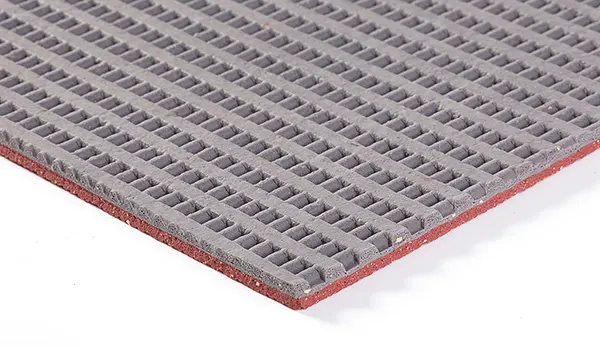
Procuring an athletics track surface in bulk magnifies both financial savings and operational risks. You spread a massive material investment across thousands of square meters. A minor defect can easily cascade into accelerated wear, athlete injury, or failed facility certifications. When you evaluate a massive purchase, you must shift your focus away from surface-level aesthetics. You need to prioritize structural integrity, lifecycle durability, and verifiable technical data. Many buyers ignore these deep metrics. They risk failed facility certifications and expensive repairs down the line.
Evaluating bulk materials requires a strict protocol. You need a standardized, skeptical-friendly inspection framework. This guide helps you evaluate material samples and verify supplier claims. You will learn how to audit chemical compositions, assess long-term maintenance needs, and scrutinize warranties. We will show you exactly what to inspect before finalizing your procurement.
Key Takeaways
Always cross-reference supplier data sheets with independent World Athletics testing standards (e.g., force reduction and vertical deformation).
Physical sample inspections must assess granule adhesion, UV resistance, and tensile strength, not just color and texture.
Thoroughly vet your athletics track surface supplier for batch-to-batch consistency guarantees and warranty exclusions.
1. Verify Athletics Track Surface Specifications Against Global Standards
You cannot rely on marketing brochures when buying in bulk. Manufacturers often label their products as "professional grade" or "elite." These claims mean nothing without verifiable metrics. You must inspect the athletics track surface specifications against strict global standards. Look for World Athletics (formerly IAAF) compliance. They set the benchmark for athlete safety and material performance.
Request the official technical data sheets (TDS) from your vendor. Cross-reference their numbers with the testing criteria outlined by World Athletics. Look for independent laboratory reports. A reputable manufacturer will gladly provide third-party validation.
Key Performance Indicators (KPIs) to Validate
You must validate several specific KPIs to ensure track quality. Focus on these three critical metrics:
Force Reduction (Shock Absorption): This measures how well the surface mitigates impact energy. Proper shock absorption protects athletes from joint injuries and shin splints. Inspect the data sheets to ensure force reduction falls between 35% and 50%. The exact ideal percentage depends on your specific facility class.
Vertical Deformation: This metric checks material flexibility. It confirms the track balances athlete safety with adequate energy return. Too soft, and athletes lose speed. Too hard, and injury risks skyrocket.
Friction and Slip Resistance: Athletes need reliable grip in varying climates. Look for the TRRL Pendulum Test results. Inspect the data for both wet and dry conditions. This ensures safety during heavy rain or high humidity.
Identify Testing Red Flags
Watch out for omitted testing data. Some vendors hide poor performance by leaving fields blank on their data sheets. Outdated certification claims also pose a major risk. World Athletics periodically updates their standards. A certificate from ten years ago no longer guarantees compliance today. Furthermore, view any reluctance to provide third-party lab reports as an immediate dealbreaker.
2. Conduct Rigorous Physical Sample Testing
Paper specifications only tell half the story. You must conduct physical stress tests before signing a bulk contract. Request physical samples measuring at least 30x30cm. Do not just look at the color or feel the texture. You need to aggressively test the material's structural limits.
Granule Loss and Adhesion
Scrape and stress-test the physical sample. Take a stiff brush or a rigid edge and scrape the surface firmly. For polyurethane and EPDM systems, you should not see loose granules falling off easily. Excessive granule loss indicates poor binder quality. Poor binder quality accelerates the formation of bald spots. You will notice these bald spots quickly in high-traffic zones. Starting lines and inner lanes often degrade first if granule adhesion fails.
Tensile Strength and Elongation
The material must demonstrate high resistance to tearing. Grab the edges of the sample and pull firmly. It should resist tearing under moderate force. Tensile strength becomes especially critical in regions experiencing extreme temperature fluctuations. Freeze-thaw cycles place immense stress on synthetic rubber. If the material lacks high elongation properties, it will crack during the first harsh winter.
Evaluating Versatility Options
Consider the primary use case of your facility. Multi-use facilities face unique wear patterns. Schools and community centers often host non-track events. You might deal with heavy equipment, staging, or non-cleated foot traffic. In these cases, test specialized samples like a joyplay multifunction sport surface. You must assess how well the hybrid material withstands varied athletic equipment. Drop weights on it. Roll heavy carts across it. Ensure it bounces back without permanent indentation.
![athletics track surface]()
3. Map Material Types to Your Sub-Base and Climate Realities
You must align your material choice with your existing infrastructure. A premium track surface will fail if it clashes with the sub-base beneath it. Bulk purchases compound this risk. You must inspect the system architecture carefully. Determine whether a Full Pour, Sandwich, or Prefabricated roll system makes the most sense.
System Architecture Inspection
Different materials demand different installation environments. Let us break down the primary system types.
Prefabricated Rubber: This material offers excellent thickness consistency. However, it requires a near-perfect asphalt or concrete sub-base. Any undulations in the sub-base will show through the final surface. Inspect your sub-base for extreme flatness before choosing this option.
Poured-in-Place (Polyurethane): This system forgives minor sub-base deviations. Installers mix and pour it directly on site. However, it remains highly vulnerable to moisture and temperature during installation. High humidity can cause the binder to foam. Rain can ruin an entire installation phase.
You can reference this chart to match materials to your site conditions.
Material Type and Sub-Base Compatibility Chart
| System Type | Sub-Base Tolerance | Installation Weather Sensitivity | Best Application Scenario |
| Prefabricated Rubber Roll | Low (Requires near-perfect flatness) | Low (Pre-manufactured in factory) | Elite competition venues with perfect foundations |
| Full Pour Polyurethane | Medium (Self-leveling properties) | High (Requires dry, temperate conditions) | High-end institutional tracks in stable climates |
| Sandwich System | Medium (Forgives minor bumps) | Medium (Base layer cures differently) | Community tracks balancing cost and performance |
UV and Weather Resistance
Climate reality dictates long-term performance. Inspect the chemical composition for UV stabilizers. prolonged sun exposure damages synthetic materials. It causes them to harden, shrink, and fade. Pay close attention to the type of binder used.
Aliphatic polyurethane binders prevent the surface from hardening and chalking under intense UV rays. They cost more upfront but preserve the structural integrity of an athletics track surface. Aromatic binders, conversely, degrade faster under the sun. They turn yellow and become brittle. Factor your local climate into this chemical decision.
4. Audit Your Athletics Track Surface Supplier for Risk Mitigation
Buying in bulk requires immense trust in your supply chain. You are not just buying chemicals and rubber. You are buying a logistical partnership. A weak vendor can ruin a multi-million dollar project. You must perform a comprehensive audit of your athletics track surface supplier before signing anything.
Batch Consistency at Scale
Large orders introduce the risk of chemical inconsistency. Manufacturers produce materials in batches. If your bulk order spans multiple manufacturing runs, you risk color variation. You also risk slight changes in tensile strength. You must require contractual guarantees for single-batch sourcing. If they cannot provide a single batch, demand strict color-matching tolerances in writing. Reject any contract lacking these batch consistency clauses.
Supply Chain and Manufacturing Transparency
Evaluate the supplier’s entire ecosystem. You need to know exactly where the materials originate. Distinguish between local distributors and direct manufacturers. Direct manufacturers often provide better transparency and faster dispute resolution. For example, if you source from a recognized brand like goder, inspect their track record carefully. Can they deliver large-volume orders on tight construction schedules? Delays in material delivery can derail an entire summer construction window.
Warranty Fine Print
Marketing brochures often boast a "10-year lifespan." You must look past this bold text. Read the actual warranty fine print. Many warranties contain aggressive exclusion clauses. They might void the agreement if sub-base moisture causes a failure. They often exclude damage caused by unauthorized chemical cleaning agents. Inspect the warranty for strict routine maintenance requirements. If you fail to log these maintenance steps, the supplier might deny your future claims.
5. Calculate Initial vs. Lifecycle Costs and Maintenance Loads
Procurement teams often fixate on the initial purchase price. A lower bulk price per square meter looks great on a spreadsheet today. However, it often masks significantly higher long-term expenses. You must factor in the entire lifecycle of the material.
Initial vs. Lifecycle Costs
Different materials require different resurfacing timelines. You must build these timelines into your facility budget. Consider the difference between simple line restriping, top-coat recoating, and full structural replacement. A cheap surface might save you money now. But if it requires a full top-coat recoating every four years, it destroys your long-term budget. Premium surfaces might only need minor restriping every five years. Calculate these specific intervals before making a decision.
Maintenance Realities
Every synthetic surface requires ongoing care. Review the manufacturer’s mandatory maintenance manual before purchasing. This document reveals the true operational burden of the track. Assess the required frequency of deep cleaning. Determine how often you must repaint the lane lines.
Some premium surfaces require specialized equipment to keep the warranty intact. For example, they might mandate soft-bristle ride-on scrubbers. If your facility lacks this equipment, you must buy it. Add these equipment costs to your initial bulk purchase calculations. Ignoring these maintenance realities guarantees premature surface failure.
Conclusion
Evaluating a bulk track surface purchase demands rigorous skepticism. You must base your final vendor selection on a convergence of verified facts. Look for strict technical specifications that match global standards. Demand successful physical stress tests on actual material samples. Finally, ensure you partner with a transparent, accountable supply chain.
To move forward, take these actionable next steps:
Request comprehensive technical data sheets (TDS) from your candidates.
Demand independent laboratory certification reports to verify shock absorption and slip resistance.
Order minimum 30x30cm physical samples from your top three shortlisted suppliers.
Conduct side-by-side scrape and stretch evaluations on these samples.
Review the warranty fine print specifically for moisture and maintenance exclusions.
FAQ
Q: How often should a commercial athletics track surface be resurfaced?
A: Typically, a structural top-coat resurface is required every 7 to 10 years. This depends heavily on usage intensity, local climate, and the specific material type. Basic line restriping is usually needed every 3 to 5 years to maintain lane visibility and compliance.
Q: What is the most critical specification when comparing bulk track materials?
A: Force reduction (shock absorption) and tensile strength remain the most critical metrics. They directly dictate athlete safety by protecting joints from impact. They also determine the material's resistance to environmental degradation, such as severe freeze-thaw cycles.
Q: Does buying from an international athletics track surface supplier affect quality control?
A: Not inherently. It remains safe provided the supplier can produce current World Athletics compliance certificates. They must also guarantee batch consistency across large orders. Ensure they offer robust shipping terms and clear warranties without hidden localized exclusions.