Upgrading or installing a commercial athletic facility requires moving past basic material descriptions. You need verifiable performance data. Facilities demand resilient surfaces ensuring long-term safety. For procurement officers and facility directors, selecting a prefabricated rubber running track represents a multi-decade investment. Strict biomechanical and safety standards govern these heavy-duty installations. Compliance remains absolutely non-negotiable for competitive venues hosting sanctioned events. This comprehensive guide breaks down the essential technical details. We explore regulatory compliance frameworks and harsh installation realities. You will learn how to evaluate manufacturers effectively. We will help you confidently shortlist the right commercial-grade surface for your athletes.
Key Takeaways
Commercial track viability relies on certified testing metrics: primarily Force Reduction (shock absorption), Vertical Deformation, and Tensile Strength.
The structural composition (vulcanized closed-cell vs. porous) dictates the total cost of ownership, weather resistance, and maintenance schedules.
Evaluating a prefabricated rubber running track supplier requires auditing their IAAF/World Athletics certifications, warranty terms, and environmental compliance (e.g., heavy metal and VOC limits).
Improper sub-base preparation remains the highest implementation risk, capable of voiding warranties on otherwise premium materials.
Framing the Investment: Commercial vs. Recreational Grade Reality
Differentiating between standard commercial rubber flooring and specialized athletic tracks is critical. Standard gym flooring cannot withstand aggressive track spikes. Specialized athletic surfaces prevent premature wear. They also reduce serious liability issues stemming from athlete injuries. Facilities must avoid confusing basic recreational mats with engineered running tracks. Recreational surfaces lack the complex dual-layer engineering required for competitive running.
Athletes need excellent energy return. They rely on high spike resistance during maximum acceleration. Conversely, facility managers prioritize UV stability. They also expect resistance against heavy maintenance equipment loads. Balancing these factors forms a critical performance versus durability matrix. High energy return often requires softer underlying materials. However, heavy service vehicles demand a denser top surface. Engineering a premier track means optimizing both operational ends.
Commercial tracks solve this by using distinct structural properties. They deliver targeted shock absorption without feeling mushy. Athletes experience a crisp, responsive rebound. Facility operators gain peace of mind regarding surface longevity. Finding this balance requires reviewing specific material testing data.
Commercial Track Performance Matrix
| Requirement Focus | Athlete Biomechanics | Facility Operations |
| Primary Metric Focus | Energy Return & Shock Absorption | UV Stability & Load Bearing Capacity |
| Material Property Needs | High Elasticity & Vertical Deformation | Dense Top Layer & Tensile Strength |
| Potential System Risk | Joint Fatigue from Hardness | Surface Gouging from Equipment |
Core Prefabricated Rubber Running Track Specifications to Evaluate
Professionals always scrutinize prefabricated rubber running track specifications before approval. Marketing terms matter far less than standardized laboratory results.
Thickness and Layering Construction
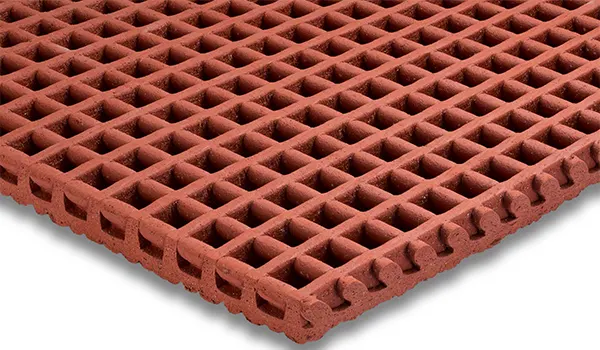
Commercial tracks require a strict 13mm thickness standard for major competitions. Manufacturers strategically split this thickness into two distinct functional layers. The top layer provides a durable, textured surface. It resists spike damage and severe weather degradation. The bottom layer functions as an impact-absorbing cushion. It features specialized geometric voids. These geometric voids compress upon impact. They instantly rebound to propel the runner forward.
Force Reduction and Shock Absorption
Force reduction measures how well a track absorbs heavy foot strikes. Testing between 35% and 50% is critical. This specific range protects athlete joints during intense training blocks. It also meets strict regulatory compliance standards for certified venues. Numbers falling below 35% indicate a dangerously hard surface. Surfaces exceeding 50% feel sluggish and drain athlete energy.
Friction and Slip Resistance (TRRL)
Slip resistance establishes critical safety baselines for all weather conditions. Testing measures traction in both wet and dry environments. A high TRRL (Transport and Road Research Laboratory) rating prevents devastating slips. Athletes need consistent grip during rainy competitive events. The embossed surface texture dictates this friction coefficient.
Tensile Strength and Elongation
Tensile strength measures absolute tearing resistance. Metal cleats and spikes exert immense tearing forces during sprints. Temperature expansion also stresses the material continuously. High elongation values prevent the track from snapping under pressure. The material must stretch significantly and recover instantly. Laboratory tests pull the rubber until failure to determine these metrics.
Vulcanized versus Non-Vulcanized
Vulcanization chemically bonds the rubber molecules under extreme heat. This process creates a superior structural advantage. It completely prevents compression set over time. Vulcanized tracks maintain their original 13mm thickness indefinitely. Non-vulcanized materials flatten out quickly under heavy usage. They lose their shock-absorbing properties prematurely.
Common Mistake: Do not assume all 13mm tracks perform equally. Uncertified products often fail tensile strength tests after just two seasons.
Best Practice: Always request independent lab reports verifying the vulcanization depth and layer adhesion strength.
![prefabricated rubber running track installation]()
Material Composition and Environmental Standards
Procurement teams must evaluate material safety alongside athletic performance. Modern facilities rightfully prioritize sustainable and non-toxic materials. The indoor and outdoor air quality surrounding a track impacts athlete respiratory health.
Toxicity and Off-Gassing Requirements
Commercial spaces mandate independent environmental testing. You must check for heavy metals and harmful phthalates. High VOC (Volatile Organic Compound) emissions create toxic environments. Certifications ensure the air remains clean above the surface. Always request recent independent lab results confirming non-toxicity. Athletes breathing heavily near the surface require this protection.
Evaluating Eco-Lines
Many brands now offer proprietary sustainable options. You might rigorously evaluate a goter prefabricated environmental rubber track for your upcoming facility upgrade. You might also compare equivalent goder systems against standard recycled EPDM options. These modern eco-lines use highly refined manufacturing processes. They eliminate the harsh chemical odors commonly found in cheaper alternatives. They utilize clean polymers ensuring high performance without environmental compromises.
Recycled Content Verification
Balancing sustainability goals with structural performance is challenging. Post-consumer recycled materials offer undeniable environmental benefits. However, they must not compromise the track’s structural integrity. Lower grade recycled rubber often reduces overall tensile strength. Engineers verify eco-friendly compounds still meet competitive sporting standards. High-quality recycled content undergoes intensive sorting to remove metallic impurities.
Implementation Realities: Rollout Lessons and Risk Mitigation
Premium materials fail rapidly if installation protocols fall short. The actual rollout phase determines the long-term success of your investment.
Sub-Base Tolerances
Strict flatness requirements govern the sub-base preparation phase. Concrete or asphalt must meet a 3mm variance over a 3-meter span. A wavy sub-base creates dangerous track unevenness. It also prevents proper adhesive bonding across the surface. Surveyors use advanced laser leveling tools to verify these tight tolerances. Any deviations require immediate grinding or patching before proceeding.
Moisture Mitigation
Testing for relative humidity in concrete slabs is absolutely mandatory. Trapped moisture causes catastrophic adhesive failure beneath the rubber. It leads to surface bubbling shortly after installation. Installers use calcium chloride tests to verify slab readiness. New concrete requires at least 28 days of curing. Sometimes, specialized moisture barriers must be applied first.
Weather and Curing Constraints
Installers face strict temperature and humidity limitations. Polyurethane adhesives require specific ambient conditions to cure properly. Seam welding also demands dry weather. Installing outside these windows guarantees premature adhesive failure. Dew points must be monitored hourly. Sudden rain storms can ruin an entire installation day.
Seam Integrity
Roll joints represent the most significant structural vulnerabilities. Experienced installers mitigate premature separation efficiently. They use weighted heavy rollers during the adhesive curing process. They also apply precise polyurethane seam sealers to lock the edges. Poorly sealed seams allow water infiltration. Water freezes in winter, destroying the bond completely.
Common Mistake: Rushing the asphalt curing time. Asphalt releases oils that degrade adhesives if not fully cured.
Best Practice: Keep a detailed weather and humidity log during the entire installation process. This protects your warranty claims.
How to Vet a Prefabricated Rubber Running Track Supplier
Choosing a reliable prefabricated rubber running track supplier requires careful investigation. A bad partnership leads to project delays and failed inspections.
Certification Audits
Do not accept generic marketing claims regarding compliance. You must verify active World Athletics product certificates. These certificates prove the track meets elite competitive standards. Ask for the exact certificate number. Cross-reference this number on the official World Athletics website. Outdated certificates signal a lack of ongoing quality control.
Manufacturing Transparency
Always request factory batch testing reports. These reports confirm the delivered product matches the quoted bid. Unscrupulous suppliers often swap high-grade materials for cheaper substitutes. Batch reports detail the specific tensile strength and thickness of your exact rolls. Transparency separates premium manufacturers from standard distributors.
Warranty Exclusions
Read the fine print thoroughly. Pay close attention to degradation clauses and UV fading limits. Understand exactly how they handle accidental spike damage. Many warranties exclude normal athletic wear. Ensure the warranty covers seam failures. A robust warranty reflects the manufacturer's confidence in their product.
Reference Checks
Assess historical performance in similar regional climates. Call previous commercial facility clients directly. Ask about seam failures, UV fading, and responsiveness. Real-world feedback reveals actual supplier reliability. Inquire about their post-installation support.
Ask for the verifiable World Athletics product certificate.
Review the specific batch testing data for your order.
Scrutinize warranty exclusion clauses regarding UV and spike damage.
Call three regional references who endure similar weather patterns.
Request physical samples to perform independent tearing tests.
Conclusion
Selecting the right track requires prioritizing verifiable physical specifications. You must prioritize certified environmental safety over basic marketing claims. Facilities need surfaces delivering exact biomechanical responses. Moving forward, draft a standardized evaluation matrix. Focus heavily on biomechanical data and strict sub-base requirements. Evaluate your supplier’s historical track record carefully.
Do not let minor material savings compromise athlete safety. Insist on rigorous factory testing before shipment. Finally, request detailed technical data sheets. Demand physical material samples before signing any procurement contracts. Secure all compliance certificates for your specific project scope. A methodical approach guarantees a world-class athletic environment.
FAQ
Q: What is the standard lifespan of a commercial prefabricated rubber track?
A: A properly installed, high-specification vulcanized track generally lasts 15 to 20+ years. It provides excellent longevity before requiring major resurfacing. The exact lifespan depends heavily on proper routine maintenance and local climate conditions.
Q: How does prefabricated rubber compare to poured-in-place (PIP) systems?
A: Prefabricated rolls offer uniform thickness and factory-controlled shock absorption. They undergo rigorous quality checks before shipping. This process completely eliminates the on-site mixing inconsistencies frequently associated with PIP systems.
Q: What sub-base is required for a prefabricated rubber track?
A: The system requires a fully cured, highly engineered asphalt or concrete sub-base. It must feature proper drainage gradients. It also needs absolutely zero active moisture issues to ensure proper adhesive bonding.