Procuring a high-performance track surface is a massive capital expenditure. Under-specifying your materials quickly leads to premature surface failure. Conversely, over-specifying easily wastes your strict facility budget. Facility managers and athletic directors face immense pressure during the crucial decision stage. You must move far beyond simple visual surface comparisons. Instead, evaluating strict physical metrics and performance data is highly critical for long-term success. This comprehensive guide breaks down the exact physical properties your venue demands. We explore vital compliance standards required for official competition readiness. We also detail the harsh installation realities you must actively monitor on site. By the end of this article, you will understand how to evaluate complex product data accurately. You will also learn exactly how to choose a truly reliable installation partner for your stadium project.
Key Takeaways
- Performance Metrics Drive Safety: Force reduction (35-50%) and vertical deformation (0.6-2.5mm) are non-negotiable specs for athlete safety and energy return.
- Sub-Base Dictates Success: Even top-tier prefabricated rolls will fail if the asphalt or concrete sub-base deviates beyond a 3mm/3m planarity tolerance.
- Certification Matters: For official competitions, surfaces must possess verifiable World Athletics (formerly IAAF) certification, not just "compliance."
- Supplier Transparency: A qualified manufacturer will provide independent lab tests for tensile strength, friction, and environmental safety (VOCs) before purchase.
The Business Case: Balancing Capital Expenditure with Facility Goals
Balancing upfront budgets against long-term facility value requires strategy. You must bridge the gap between strict initial capital limits and lasting performance durability. Every facility director needs a clear definition of project success before spending money. A highly successful installation means zero surface delamination after five years of heavy use. It also means easily passing official athletic certification testing on the first attempt. Your surface must maintain consistent biomechanical properties despite extreme seasonal weather conditions.
Lifespan expectations directly influence your material choices during the planning phase. A properly specified prefabricated rubber running track typically yields 10 to 15 years of elite use. This lifespan applies before you require a surface retop or complete material replacement. However, this longevity heavily depends on your chosen material thickness. It also relies on the inherent UV resistance formulated into the rubber compound. Skimping on UV stabilizers accelerates material hardening and surface cracking. By aligning your capital expenditure with precise durability goals, you protect your athletic program.
![prefabricated rubber running track installation and specifications]()
Core Prefabricated Rubber Running Track Specifications to Evaluate
Evaluating prefabricated rubber running track specifications requires reviewing specific lab data. Let us explore the core performance metrics you must verify.
Thickness Variations
Thickness directly dictates energy return and impact absorption. The 13mm profile serves as the standard baseline for official competitions. This thickness provides adequate shock absorption while maintaining a fast surface for sprinters. You can justify the higher cost of thicker, 14mm+ multi-layer profiles for heavy training zones. Thicker rolls absorb higher repetitive impacts. They protect athletes undergoing grueling daily practice sessions.
Force Reduction (Shock Absorption)
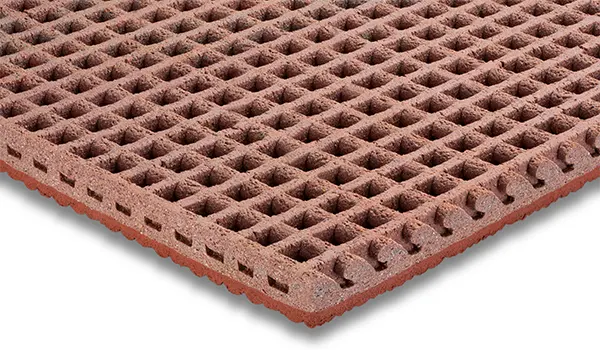
Force reduction measures how well the surface absorbs footfall impact. The ideal acceptable range sits strictly between 35% and 50%. A specialized bottom honeycomb or geometric air-cell layer absorbs downward energy. This base structure compresses and releases quickly. This specific action prevents severe lower extremity injuries for distance runners and jumpers.
Vertical Deformation
Vertical deformation dictates overall surface stability under dynamic load. Acceptable limits range from 0.6mm to 2.5mm according to international standards. Correct deformation ensures the track feels remarkably stable under a sprinter's spike. It prevents the surface from feeling overly "spongy" or slow. Too much deformation saps athlete energy. Too little causes painful joint stress.
Friction and Slip Resistance (TRRL)
We analyze the micro-texture of the upper layer using the TRRL scale. The friction coefficient must reach at least 47. This guarantees optimal spike grip. It keeps athletes incredibly safe during both wet and dry conditions. A low TRRL score indicates a dangerously slick surface during heavy rain.
Tensile Strength & Elongation
Independent lab data proves long-term material durability. You want at least 0.4 MPa tensile strength. You also require at least 40% material elongation before breakage. These crucial numbers guarantee the material heavily resists tearing from sharp track spikes. They also prevent physical damage from harsh thermal expansion cycles.
Standard Performance Thresholds
| Performance Metric | Acceptable Baseline | Primary Athlete Benefit |
| Thickness | 13mm (minimum) | Ensures baseline competition readiness. |
| Force Reduction | 35% - 50% | Prevents joint injuries during impact. |
| Vertical Deformation | 0.6mm - 2.5mm | Maintains firm stability for runners. |
| Friction (TRRL) | ≥ 47 | Provides safe spike grip in rain. |
| Tensile Strength | ≥ 0.4 MPa | Resists spike tearing and heavy wear. |
Meeting Standards for Athletics Stadiums Prefabricated Rubber Running Track
Procuring an athletics stadiums prefabricated rubber running track involves strict regulatory compliance. World Athletics (IAAF) certification tiers dictate your facility status. We must differentiate between Class 1 and Class 2 facility requirements.
- Class 1 Certification: Demands rigorous on-site testing for international events. Every single line mark and radius must pass millimeter-precise laser surveys.
- Class 2 Certification: Requires high material standards but applies primarily to regional or national competitions. The physical product roll must carry an approved product certificate.
Next, you must verify environmental and toxicity compliance. Reputable manufacturers exclusively use heavy-metal-free formulas. European markets mandate strict REACH compliance for all imported synthetic materials. Indoor athletic venues also demand extremely low VOC (Volatile Organic Compound) emissions. This vital metric protects indoor air quality for athletes and spectators alike.
Fire retardancy represents another crucial stadium specification. Indoor athletic stadiums must meet severe fire codes. You should look for EN 13501-1 certification standards. This specific test ensures the rubber material slows flame spread during emergencies. It minimizes toxic smoke production, allowing safe evacuation.
Exploring Custom Prefabricated Rubber Running Track Options
Designing a custom prefabricated rubber running track unlocks unique facility capabilities. You must select specific surface texture profiles. You can choose directional embossing for high-speed straightaways. Directional textures maximize forward grip. Conversely, non-directional embossing works significantly better for multi-use turning zones. Make this choice based on your primary facility use cases.
Color-coding and multi-sport zoning add massive visual functionality. You can easily utilize custom colorways beyond standard red or blue. Use unique colors for relay exchange zones and jump runways. Custom colors also heavily support institutional branding efforts. However, always ensure custom pigments do not compromise UV stability. High-pigment custom colors sometimes fade faster if improperly formulated.
Roll width and length optimization matters deeply during installation. Custom roll sizing actively minimizes seams across the running oval. Fewer seams inherently reduce the massive risk of water ingress. This precise sizing also prevents dangerous edge curling over time. Working with your manufacturer to map custom lengths saves money and prevents waste.
Implementation Realities: Mitigating Sub-Base and Roll-Out Risks
The best material completely fails if installation protocols falter. The planarity prerequisite remains completely non-negotiable in this industry. Asphalt or concrete requires a strict 3mm variance over a 3-meter straight edge. Prefabricated tracks hide zero sub-base imperfections. If the base dips, the rubber surface will dip identically. Water will pool in these low spots, degrading the adhesive.
Moisture management and material acclimation require extreme patience. Installers must unroll the rubber on-site and let it rest unglued. This vital resting period naturally releases manufacturing tension from the rolls. It also helps the material completely adapt to local ambient temperatures. You must never skip this step before applying glue. Rushing this causes massive material shrinkage later.
Finally, specifying the correct two-component polyurethane adhesive is highly vital. You must choose adhesives based precisely on regional humidity levels. Daily temperature shifts during the installation window also dictate your adhesive choice. A mismatch causes catastrophic bubbling or total delamination. Ensure your installation crew monitors the adhesive pot life continuously.
How to Vet a Prefabricated Rubber Running Track Supplier
Choosing a reliable prefabricated rubber running track supplier requires careful, methodical investigation. We recommend a strict evidence-based shortlisting process. Always request independent, third-party lab testing reports. Look for authentic documents from Labosport or ISA Sport. Do not rely solely on internally generated marketing sheets.
Next, carefully assess supply chain logistics and lead times. You must evaluate the supplier's overall manufacturing capacity. Ask detailed questions about their storage protocols and shipping methods. Proper vertical shipping prevents deformed rolls upon arrival at your site. Flat-stacked rolls often arrive crushed and unusable.
You also need to read warranty exclusions incredibly closely. Read the fine print to discover what invalidates the warranty. Usually, sub-base failure or improper adhesive mixing completely voids coverage. You must understand exactly where liability lies before signing contracts. A transparent supplier clearly explains these boundaries upfront.
Actionable Next Steps
Move from technical evaluation to physical verification using these steps:
- Request physical product samples for tactile review and thickness verification.
- Demand mock-up seam tests from the proposed installation crew.
- Conduct thorough sub-base core evaluations before purchasing materials.
- Verify the installer holds direct certification from the material manufacturer.
Conclusion
Selecting the ideal surface demands a highly analytical approach. You must heavily prioritize vital biomechanical data over aesthetic appeal. Environmental resilience and safety metrics always remain paramount. Any athletic surface is only as robust as the foundation beneath it. Approach your procurement as a holistic structural system. The rubber, adhesive, and asphalt must work in perfect harmony.
- Conduct a full topographical survey of your existing sub-base planarity.
- Compare third-party lab reports from at least three different suppliers.
- Verify local installer credentials for specialized polyurethane adhesive application.
- Secure written confirmation of World Athletics certification for your specific roll thickness.
FAQ
Q: What is the price difference between prefabricated rubber and poured-in-place (polyurethane) tracks?
A: Prefabricated rubber carries a higher upfront material cost. However, it requires significantly less ongoing maintenance. It delivers highly consistent performance over its entire lifespan. Poured-in-place tracks cost less initially but may suffer from uneven thickness and faster degradation.
Q: Can a prefabricated rubber track be installed over an existing track?
A: We generally do not recommend this practice. You must conduct core testing on the existing asphalt first. Old tracks hide underlying drainage issues and severe base degradation. You achieve the best results when you completely strip the existing base. Re-leveling the sub-base ensures maximum longevity for the new surface.
Q: How do you repair a damaged section of a prefabricated track?
A: Repairing damage requires surgical precision. Installers cut out the damaged square using specialized tools. They thoroughly prep and clean the exposed sub-base below. Finally, they apply fresh polyurethane adhesive and drop in a perfectly matching replacement patch. The seams are then sealed to prevent water intrusion.
Q: Do indoor prefabricated tracks require different specifications than outdoor?
A: Yes, they face entirely different environmental challenges. Outdoor tracks require maximum UV resistance to prevent sun degradation. They also need heavy water drainage capabilities. Indoor tracks require strict low-VOC emissions for safe air quality. They also mandate rigorous fire-rating certifications to comply with indoor building codes.