Modern facility managers face a significant commercial challenge. You need versatile courts handling numerous sports and non-sporting events simultaneously. Achieving this without accelerating surface wear and tear often feels impossible. Purchasing a reliable multifunction sports surface is a delicate balancing act. It requires weighing upfront material choices, environmental suitability for indoor or outdoor use, and ongoing maintenance demands. A poorly chosen court disrupts operations and leads to frequent repair cycles. We built this guide to help you navigate these complex realities. We objectively evaluate material durability based on structural composition and crucial subfloor dependencies. You will explore verified technical specifications and learn how to interpret them accurately. By understanding these core elements, you can quickly separate marketing hype from physical performance. Ultimately, this insight helps you finalize your procurement decision with absolute confidence.
Key Takeaways
Material Dictates Lifespan: Polyurethane (PU) offers the highest seamless longevity, while modular Polypropylene (PP) tiles dominate outdoor durability against weather.
Specifications Matter More Than Marketing: True durability is proven through verified multifunction sports surface specifications like wear layer thickness, tensile strength, and UV resistance.
Subfloor Dependency: Even premium surfaces will fail prematurely if the concrete or asphalt sub-base lacks proper moisture barriers and flatness tolerances.
Supplier Accountability: A reliable multifunction sports surface supplier provides transparent warranties that cover delamination and wear, not just manufacturing defects.
Defining "Durability" in Mixed-Use Environments
Impact vs. Abrasion
Durability means different things depending on your facility usage. We must break down what truly destroys a floor over time. Heavy point loads test a surface's impact resistance. Think of rolling bleachers, staging equipment, or heavy non-athletic shoes. These items create intense static pressure. This pressure can cause permanent indentations on softer floors. Surface-level friction tests abrasion resistance instead. Rapid pivot movements in basketball or tennis physically grind away the top layer. Athletes generate significant heat and friction during aggressive play. You need a material handling both static impact and dynamic abrasion effectively.
Environmental Stressors
Indoor climate control creates a highly stable environment for sports floors. Outdoor courts face harsh UV exposure and brutal thermal cycling. Sunlight breaks down molecular bonds within plastics over time. This process causes fading and structural brittleness. Temperature swings cause rigid materials to expand and contract constantly. This daily movement stresses seams and adhesives. Environmental stress changes the durability equation entirely. You must match your selected material to its specific climate exposure. Ignoring environmental realities guarantees premature surface failure.
Lifecycle Maintenance Patterns
Durability goes beyond just measuring the time until absolute failure. You should look closely at lifecycle maintenance patterns. Ask yourself how often the court needs professional resurfacing. Look at the frequency of deep cleaning required to maintain safe traction. Consider how easily you can perform localized repairs. A truly durable surface minimizes these operational disruptions. It keeps facility programming running smoothly year after year. Frequent repairs indicate a underlying durability problem. You want a surface minimizing intensive maintenance interventions entirely.
Comparative Analysis: Evaluating Core Surface Materials
Material Durability Comparison Chart
| Material Type | Best Environment | Primary Strength | Main Vulnerability |
| Polyurethane (PU) | Indoor / Covered Outdoor | Seamless abrasion resistance | Subfloor moisture during cure |
| Polypropylene (PP) | Outdoor / Municipal Parks | Weather and UV immunity | Thermal expansion shifting |
| Vinyl (PVC) Rolls | Indoor Multi-Sport Gyms | Consistent shock absorption | Static load indentations |
Polyurethane (PU) Systems
Polyurethane acts as a seamless, poured-in-place liquid system. Installers pour it directly over a rubber shock pad. The liquid cures into a highly resilient surface. This creates a monolithic floor lacking weak seams. PU offers excellent abrasion resistance and supreme tensile strength. It heavily resists topical moisture once fully cured. However, PU systems carry distinct installation risks. They remain highly susceptible to failure if the subfloor traps moisture. High moisture during the liquid pour causes severe bubbling. You must control the environment strictly during installation.
Modular Interlocking Tiles (PP / Polypropylene)
Polypropylene tiles use a snap-together mechanism. Manufacturers design them for rapid deployment and high water drainage. These tiles prove virtually immune to cracking from concrete subfloor shifts. They boast exceptional UV resistance for demanding outdoor use. When evaluating market options, examine the joyplay multifunction sport surface for its specific structural ribbing density. High ribbing density prevents the tile surface from collapsing under heavy loads. You must also evaluate thermal expansion management. Good tiles incorporate micro-gaps allowing natural expansion during hot summer afternoons.
Vinyl (PVC) Sports Flooring
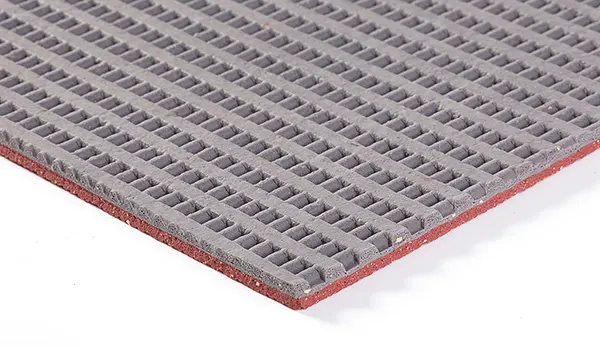
Vinyl flooring arrives as prefabricated rolls. These rolls feature an integrated fiberglass reinforcement layer and a specialized foam backing. PVC remains the golden standard for indoor multi-sport environments. It proves highly durable against aggressive shoe scuffing. However, standard PVC stays vulnerable to permanent indentation from heavy static loads. Staging heavy concert equipment directly on PVC can permanently compress the foam. When researching options, compare specialized roll systems like goder based on their exact wear-layer density. Denser wear layers resist static compression much better.
![Multifunction Sports Surface Installation]()
Decoding Multifunction Sports Surface Specifications
Wear Layer Thickness
Interpreting multifunction sports surface specifications correctly prevents costly purchasing mistakes. You must align millimeter ratings strictly with expected facility foot traffic. A standard 2.0mm PVC wear layer handles elementary school physical education adequately. A 3.0mm or higher wear layer serves collegiate arenas or heavy community centers better. Thicker wear layers provide more sacrificial material before the core structure degrades. Never confuse total product thickness for wear layer thickness. The top protective coating dictates actual surface longevity against daily abrasion.
Shock Absorption (EN 14808 / ASTM Standards)
Shock absorption directly impacts athlete safety and long-term floor integrity. Tests like EN 14808 measure force reduction accurately. Maintaining this force reduction over time acts as a critical durability metric. Cheap foam backings collapse after three years of heavy use. High-quality cellular structures rebound indefinitely. When shock absorption fails, athletes suffer joint injuries. Furthermore, a collapsed foam layer transfers stress directly to the rigid topcoat. This stress causes premature surface cracking. Always demand long-term compression testing data from manufacturers.
Friction and Slip Resistance
Consistent friction ensures athletes can pivot without slipping dangerously. The surface must maintain safe traction levels after years of use. Exposure to harsh cleaning chemicals often degrades factory-applied friction coatings. Routine mechanical scrubbing also wears down micro-textures smoothly. You should look for materials boasting embedded friction properties rather than topical sprays. Embedded textures last the entire lifespan of the wear layer. Review the DIN 18032-2 slip resistance standard when evaluating options. Safe traction prevents facility liability issues down the road.
Red Flags
You must learn how to spot exaggerated claims in marketing brochures. Watch out for vague phrases like "lifetime durability" lacking actual warranty backing. Another red flag involves missing independent laboratory testing data. Reputable manufacturers publish their ASTM or EN testing results openly. Be wary of spec sheets missing exact wear layer measurements. Never accept internal company testing as absolute proof of performance. Always demand third-party lab verification for critical metrics. This verification ensures the product performs exactly as advertised.
The Hidden Failure Point: Subfloors and Installation
The "Not Just the Top Layer" Rule
Most facility managers blame the sports material when courts fail. However, industry data shows 80 percent of surface failures originate below the surface. Bubbling, dead spots, and delamination almost always stem from the subfloor. Even the most expensive top layer cannot fix a crumbling concrete base. The top layer merely acts as a skin over a structural skeleton. If the concrete skeleton shifts, the skin tears. You must dedicate adequate budget to subfloor preparation. Skipping this step guarantees eventual catastrophic failure.
Moisture Mitigation
Moisture represents the ultimate enemy of bonded sports floors. Groundwater naturally pushes up through porous concrete slabs via hydrostatic pressure. This pressure systematically breaks down chemical adhesives. You must mandate strict necessity for high-quality vapor barriers beneath the slab. Assess proper concrete curing times before applying any adhesives or poured materials. Fresh concrete requires at least 28 days to cure fully. Always conduct in-situ relative humidity testing before beginning installation. Failing a moisture test means you must apply an epoxy moisture mitigation system.
Planarity (Flatness) Requirements
Concrete slabs rarely dry perfectly flat. Uneven subfloors create destructive micro-stress points across the entire court. These subtle bumps prematurely degrade rigid and semi-rigid surfaces. A rolling heavy load hitting a hidden bump crushes the flooring material locally. Industry standards usually dictate a flatness tolerance of 3mm over a 3-meter straightedge. Achieving this requires mechanical grinding of high spots. You will also need self-leveling compounds to fill low depressions. Perfect planarity guarantees uniform load distribution across the entire floor.
Suspension Sub-Systems
Sometimes you need more than just flat concrete. Suspension sub-systems play a massive role in extending top layer lifespan. Underlying shock pads distribute kinetic energy widely. Wooden sleeper systems elevate the floor and allow airflow underneath. This airflow prevents moisture accumulation in humid environments. A good sub-system absorbs the initial shock from heavy impacts. This prevents the top wear layer from bearing the entire structural burden. Investing in premium suspension layers protects your visible surface investment significantly.
Vetting a Multifunction Sports Surface Supplier
Manufacturing Transparency
Partnering with a reliable multifunction sports surface supplier eliminates procurement headaches. You must verify exactly where and how they produce their materials. Manufacturing transparency ensures strict consistency across massive production batches. Small color variations between batches ruin the aesthetic appeal of large courts. Inquire about their quality control tolerances during chemical mixing. Ask if they own their manufacturing facilities or simply white-label third-party products. Direct manufacturers usually offer better troubleshooting support during complex installations.
Installation Support
Buying great material solves only half your problem. Installing it correctly matters equally. You should heavily prefer suppliers offering certified installation networks. These certified crews understand the specific nuances of the material. If local crews handle the job, the supplier must provide strict subfloor preparation guidelines. They should offer technical support hotlines for installers facing unexpected site conditions. A supplier ignoring the installation phase abandons you at the most critical moment. Strong installation support prevents voided warranties.
Warranty Reality Check
Warranties often confuse buyers with complex legal language. You must differentiate between a prorated wear warranty and a strict manufacturing defect limit. A defect warranty only covers chemical delamination or immediate physical separation. It rarely covers normal scuffing or premature wear from heavy use. A true wear warranty guarantees the top layer will not wear through to the backing. Read the fine print regarding mandatory temperature controls. Many warranties void instantly if facility HVAC systems fail during extreme weather.
Next Steps for Buyers
Entering the final procurement phase requires an organized approach. Follow this checklist to finalize your shortlist safely:
Request physical samples of the exact thickness you intend to purchase.
Test these samples against your typical facility cleaning chemicals.
Review lifecycle maintenance models provided by the supplier.
Contact three past clients who installed the same system five years ago.
Demand documented proof of current subfloor moisture conditions before signing contracts.
Completing these steps prevents expensive buyer's remorse later.
Conclusion
Choosing the right athletic floor demands a practical alignment between material chemistry and environmental reality. Modular PP tiles dominate outdoor municipal parks due to exceptional weather immunity. Conversely, PVC and PU systems excel inside educational facilities needing versatile performance. The secret to long-lasting infrastructure is not just buying expensive materials. Maximum durability happens at the exact intersection of correct material selection, rigorous subfloor preparation, and honest supplier specifications.
We encourage you to take immediate action today. Contact your shortlisted manufacturers and request full technical data sheets. Ask for physical samples and test them under your own facility conditions. Do not let marketing brochures rush your decision. Analyze the subfloor requirements thoroughly before signing any purchase orders. Your careful diligence now guarantees a safe, durable, and highly functional sports facility for decades.
FAQ
Q: What is the typical lifespan of a commercial multifunction sports surface?
A: Lifespan depends heavily on usage intensity and material type. A premium PVC surface generally lasts 10 to 15 years in a busy indoor facility. Well-maintained PU systems or outdoor modular PP tiles can easily exceed 15 years. Regular cleaning and strict adherence to weight limits maximize these ranges.
Q: Can an indoor multifunction surface be installed outdoors?
A: No. Installing indoor surfaces outdoors causes rapid failure. Indoor materials lack UV resistance, causing them to fade and crack under sunlight. They also lack proper drainage for rain and cannot handle extreme thermal expansion. You must strictly adhere to outdoor-rated specifications for exterior courts.
Q: How do maintenance routines impact the durability of the surface?
A: Maintenance dictates long-term survival. Using incorrect, highly acidic, or alkaline pH cleaners chemically burns the floor. Aggressive mechanical scrubbing pads physically strip away factory-applied protective wear layers. Following the manufacturer's exact cleaning protocols preserves the friction coating and extends overall structural durability.
Q: Are interlocking tiles a durable option for residential courts?
A: Yes. Interlocking tiles offer massive benefits for B2C and residential applications. They resist frost damage during winter months. They require significantly lower subfloor preparation costs compared to poured systems. Furthermore, homeowners can easily perform DIY repairs by swapping out individual damaged tiles.