Upgrading a stadium track surface requires a substantial financial commitment from stakeholders. Facility managers routinely face daunting six-figure investments when revitalizing their athletic grounds. Navigating complex technical specifications creates a difficult buyer dilemma for most decision-makers. You must carefully balance thickness options, vulcanization methods, and material blends. Overspending quickly strains an already tight facility budget. Meanwhile, under-specifying leads to premature surface wear and endless repair cycles. We will provide an objective breakdown of Huadong Track’s three primary factory-engineered lines. This review simplifies your entire procurement process. You will discover the distinct operational advantages of GOMER, GOTER, and GODER surfacing systems. This actionable guide cuts through complex industry jargon to bring clarity. Ultimately, it empowers you to align premium engineering directly to your facility’s actual performance requirements.
Key Takeaways
GOMER: High-durability, cost-effective standard (13mm, 10-year warranty) optimal for K-12 schools and municipal community centers.
GOTER: Flagship 100% natural rubber system (20-year warranty) engineered for elite, Tier-1 Olympic and international competitions.
GODER: The high-performance hybrid (15-year warranty) balancing extreme color vibrancy and pro-level biomechanics, ideal for collegiate programs.
Crucial Reality Check: Regardless of the system chosen, long-term performance heavily depends on sub-base integrity and strict climate-controlled installation windows.
Why Transition to a Prefabricated Track System?
Traditional pour-in-place systems rely heavily on manual labor. Workers mix chemical components directly at the job site. This manual approach introduces major risks regarding structural consistency. Environmental factors routinely compromise the final product. A standardized prefabricated track system eliminates these variables entirely. Manufacturers produce these rolls under strict factory controls. High-temperature and high-pressure vulcanization prevents human error. The factory setting ensures uniform thickness across every square inch. You receive a mathematically precise surface before it ever reaches your facility.
The science behind these engineered surfaces relies on a distinct dual-layer composition. Each layer serves a highly specific biomechanical purpose.
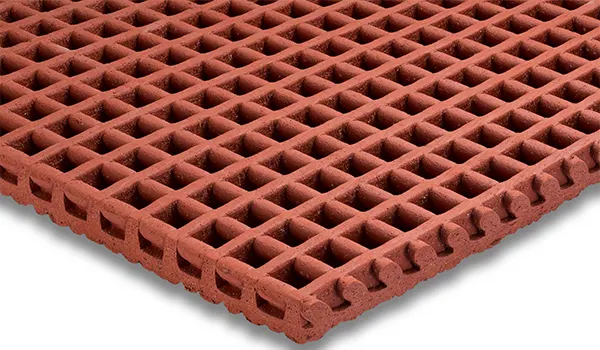
Top Layer: This features an embossed, non-porous solid rubber structure. It delivers omnidirectional traction for athletes. The dense composition provides exceptional spike resistance. It also integrates specialized UV protection to prevent sun fading over time.
Bottom Layer: This section utilizes an "Ellipse Impulse" honeycomb backing. It acts as a dynamic cushion beneath the runner. This geometric design effectively reduces joint stress upon impact. It then compresses and delivers a measurable kinetic energy return.
Operational economy remains a massive advantage for facility managers. Factory-engineered rolls reduce long-term maintenance overhead significantly. Older asphalt or latex-bound tracks suffer severe weathering degradation. They require frequent patching and line repainting. Conversely, vulcanized rubber resists temperature extremes effortlessly. You avoid the constant financial drain of ongoing seasonal repairs. Your maintenance team can focus on other facility needs instead.
Head-to-Head: GOMER vs GOTER vs GODER
Selecting the correct material requires a clear understanding of product tiers. Huadong Track segments its offerings to match specific athletic environments. We break down the technical specifications below.
The GOMER rubber track serves as a highly reliable foundation. It features a standard 13mm thickness. Engineers utilize a double-layer co-vulcanized manufacturing process. This pairs a 4mm textured top layer with a 9mm shock-absorbing bottom layer. It holds an official IAAF Class 1 certification. This model withstands incredibly high-traffic and multi-sport daily use. It comes backed by a comprehensive 10-year warranty. We strongly recommend this line for high schools and municipal parks. It perfectly aligns long-term durability expectations with strict public budgets.
GODER Prefabricated Track: The Collegiate Standard
The GODER prefabricated track acts as the ultimate collegiate standard. It uses a premium blend of natural and synthetic rubbers. This hybrid approach delivers enhanced surface resilience for serious athletes. It also provides exceptional color retention over decades. Vibrant colorways remain crucial for establishing university branding. The manufacturer secures this system with a 15-year warranty. D1 and D2 university venues benefit most from this setup. It perfectly balances aesthetic visual impact with elite biomechanical performance.
GOTER Running Track: The Elite Competition Pinnacle
The GOTER running track represents the absolute pinnacle of sports engineering. Its composition features 100% pure natural rubber. This uncompromising material choice yields maximum kinetic energy return. It delivers optimal biomechanical support for professional sprinters pushing world records. This flagship product carries an industry-leading 20-year warranty. It belongs in Olympic stadiums and continental championship venues. Any facility hosting highly regulated professional meets should mandate this tier.
Feature | GOMER | GODER | GOTER |
Material | Synthetic/Rubber Blend | Premium Hybrid Blend | 100% Natural Rubber |
Thickness | 13mm (4mm + 9mm) | Customizable Pro Specs | Optimized Elite Specs |
Warranty | 10 Years | 15 Years | 20 Years |
Best Fit | K-12 & Community | Universities & D1/D2 | Olympic & Pro Stadiums |
![Prefabricated track installation and evaluation process]()
Defining Your Evaluation Criteria: Matching Track to Facility
Procuring a high-end athletic surface requires a methodical assessment. You cannot simply pick the most expensive option. You must match the engineering profile directly to your specific operational realities. Follow these structured criteria to evaluate your facility.
Analyze User Demographics and Traffic Patterns: Identify who will actually use the facility daily. Community tracks face continuous, heavy-footed recreational use. Walkers and amateur joggers exert different downward forces than professionals. These mixed-use scenarios strongly favor the durable GOMER line. Conversely, elite venues exclusively host highly regulated events. Professional sprinters use aggressive spike lengths. These spike-heavy competitive environments demand the advanced resilience of GOTER or GODER.
Assess Indoor Versus Outdoor Realities: Location dictates specific material needs. Outdoor 400m tracks face relentless sun exposure and heavy rain. You must prioritize specialized UV resistance to prevent cracking. Non-porous drainage integration is also mandatory for outdoor safety. Indoor 200m tracks present entirely different challenges. You must factor in HVAC climate stability. Additionally, indoor setups often require complex banked curve requirements. The rolls must adapt seamlessly to these dramatic elevation changes.
Verify Compliance and Athletic Certifications: Never purchase an uncertified surface. You must emphasize strict adherence to ASBA (American Sports Builders Association) guidelines. These standards dictate safe construction methodologies. Furthermore, check for IAAF or World Athletics certifications. Your required certification level depends directly on the tier of events you intend to host. High schools have different compliance baselines than collegiate championship hosts.
The Hidden Realities of a Stadium Track Surface Installation
Many buyers fixate entirely on the rubber surface itself. However, the underlying civil engineering determines ultimate success. A comprehensive rubber athletic track comparison remains totally useless if your foundation is compromised. Sub-base preparation is absolutely non-negotiable. You cannot apply premium rolls over cracked or sinking asphalt.
Your engineering team must execute proper load-dispersion base layers first. They evaluate the soil mechanics and compact the stone foundation thoroughly. Next, they pour precise asphalt or concrete layers. Slope-driven drainage systems must be perfectly calibrated. Even a one-degree miscalculation causes dangerous water pooling. Contractors must verify total planar perfection before applying any eco-friendly adhesives. A flawless sub-base guarantees the vulcanized rubber performs exactly as designed.
Climate constraints dictate the entire rollout schedule. You cannot ignore local weather patterns during installation. The reality of rubber track seaming is strict. Adhesive curing simply cannot occur in temperatures below 60°F (15°C). Damp conditions ruin the chemical bonding process instantly. Facility managers must aggressively enforce these environmental rules. Warn your board about contractors willing to cut corners. Shady installers might push forward during poor weather to meet deadlines. This always results in bubbling seams and catastrophic material failure later.
Future-Proofing: Eco-Compliance and Smart Integrations
Modern sports facilities face increasing pressure to adopt green technologies. Regulatory bodies constantly tighten environmental safety requirements. The industry is rapidly shifting away from toxic chemical binders. Older pour-in-place methods often release harmful volatile organic compounds (VOCs). They pose distinct health risks to athletes and installation crews alike.
You can position these vulcanized lines as highly sustainable alternatives. Manufacturers use low-VOC adhesives during the final rollout. More importantly, solid rubber designs eliminate granular shedding. Older crumb rubber tracks lose thousands of particles into local waterways during heavy rain. A solid embossed top layer guarantees zero microplastic environmental contamination. You protect local ecosystems while delivering world-class athletic performance.
The next generation of athletic surfaces will embrace digital connectivity. We are entering the era of the Smart Sports Ecosystem. Advanced venues now integrate specialized IoT sensors directly beneath the rubber layer. These discrete nodes monitor surface temperature fluctuations in real time. They also track high-wear zones by analyzing foot traffic density. Facility managers receive automated alerts regarding material stress. You can confidently schedule predictive maintenance before any visual degradation occurs.
Conclusion
Navigating an athletic facility upgrade demands objective data and clear criteria. Your decision matrix ultimately depends on your primary user base. Choose the GOMER line for cost-effective, multi-sport durability in community settings. Select the GODER hybrid for vibrant collegiate aesthetics and enhanced biomechanics. Reserve the flagship GOTER system for uncompromising elite professional competition.
Facility managers must prioritize thorough civil engineering assessments immediately. Inspect your underlying asphalt or concrete before finalizing any surface materials. The most expensive rubber cannot fix a failing foundation. Secure a qualified engineer to verify your load-dispersion and drainage slopes first.
Take the next step in your procurement journey today. Request a professional site evaluation from certified installers. Ask for physical material samples to feel the embossed vulcanized textures firsthand. Secure a detailed specification sheet to align your facility's budget precisely with the appropriate performance tier.
FAQ
Q: Can a prefabricated track system be installed over an existing track?
A: Yes, but it requires strict assessment. Engineers must thoroughly evaluate the existing sub-base for structural integrity. If the old surface is severely degraded, crews will mill or completely remove it. They then patch and re-level the underlying asphalt or concrete. Proper adhesion demands a flat, stable, and clean foundation.
Q: How does drainage work on a non-porous rubber track?
A: Unlike older porous school tracks that allow water to drain vertically through the material, non-porous prefabricated tracks repel moisture entirely. They rely on precisely engineered surface slopes. Gravity channels rainwater laterally across the top layer. The water then empties smoothly into designated catch basins installed along the track perimeter.
Q: What funding options exist for upgrading a stadium track surface?
A: High-end installations require creative financing. Public schools frequently secure municipal sports grants or state infrastructure funds. Local community booster clubs also drive effective grassroots crowdfunding campaigns. Additionally, selling naming rights through local corporate sponsorships remains a highly effective strategy to offset the initial capital expenditure.