![Jiaxing Stadium]()
I. Introduction
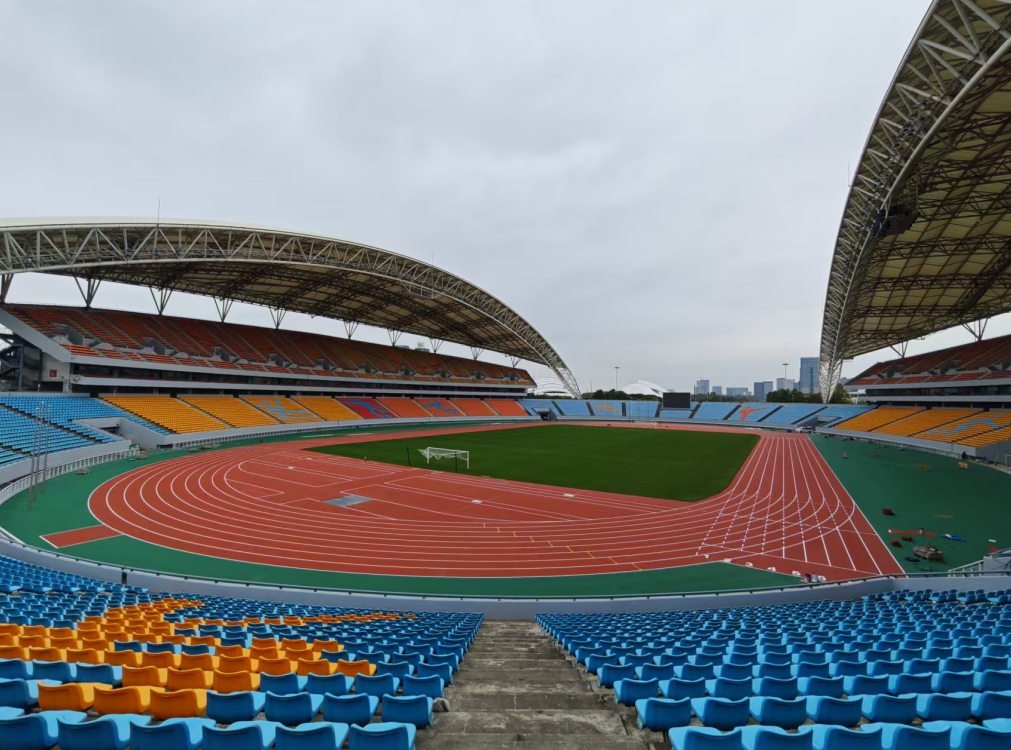
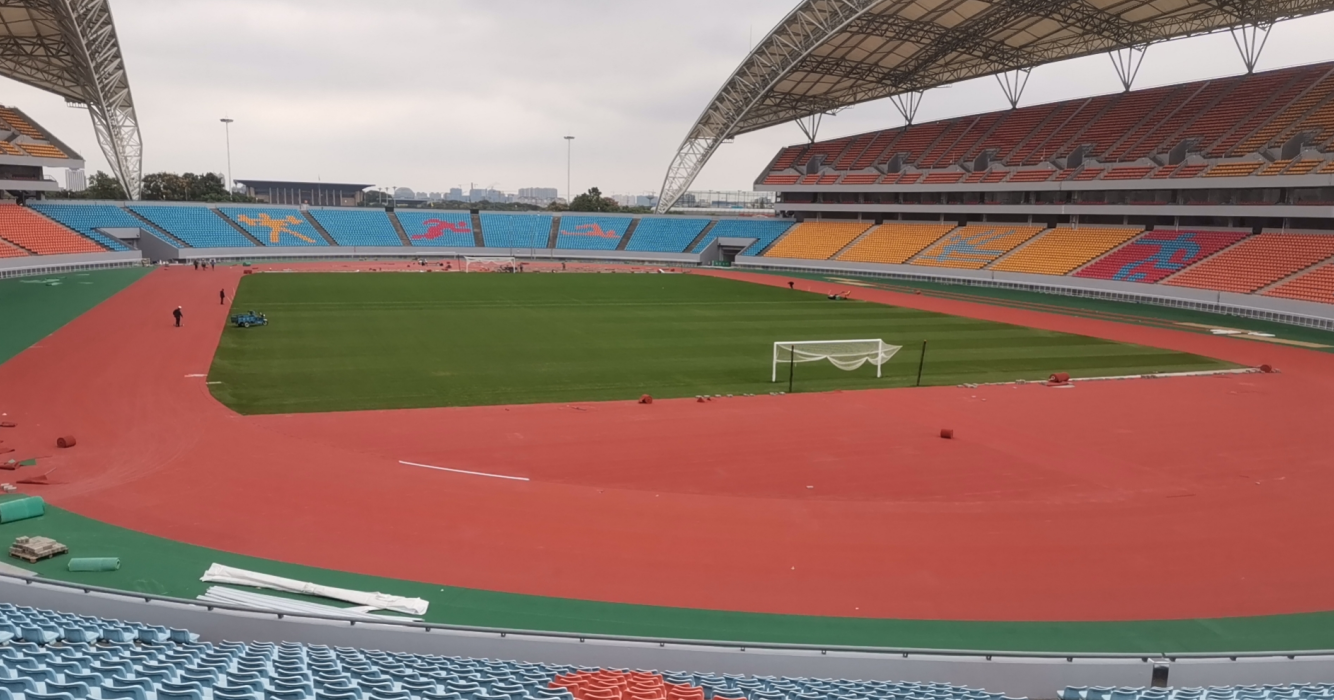
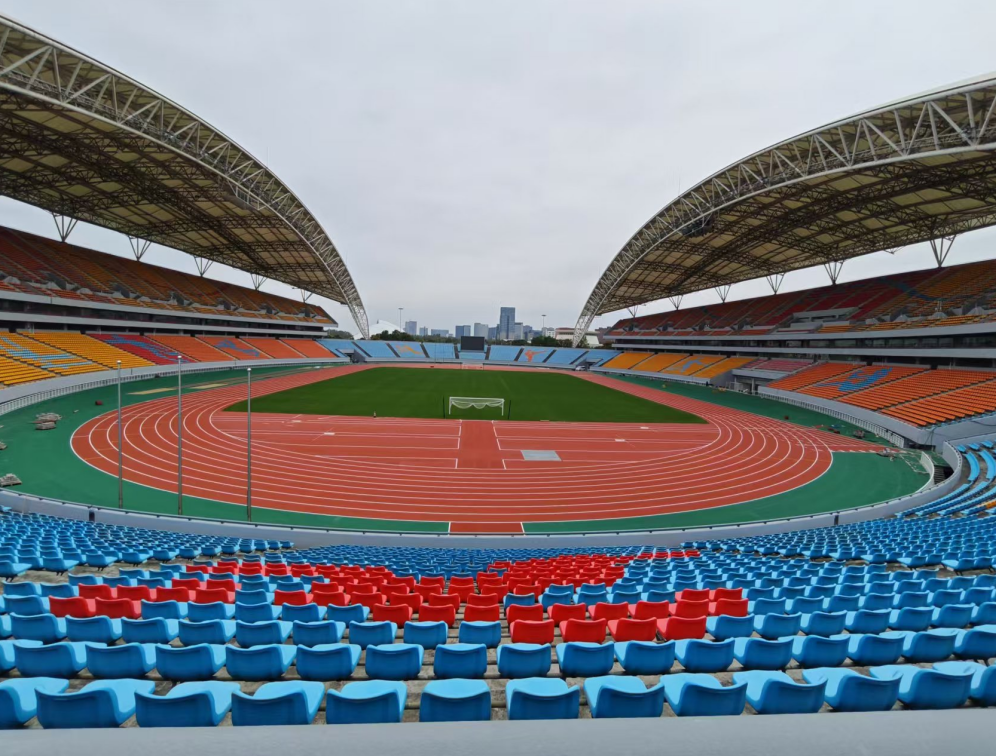
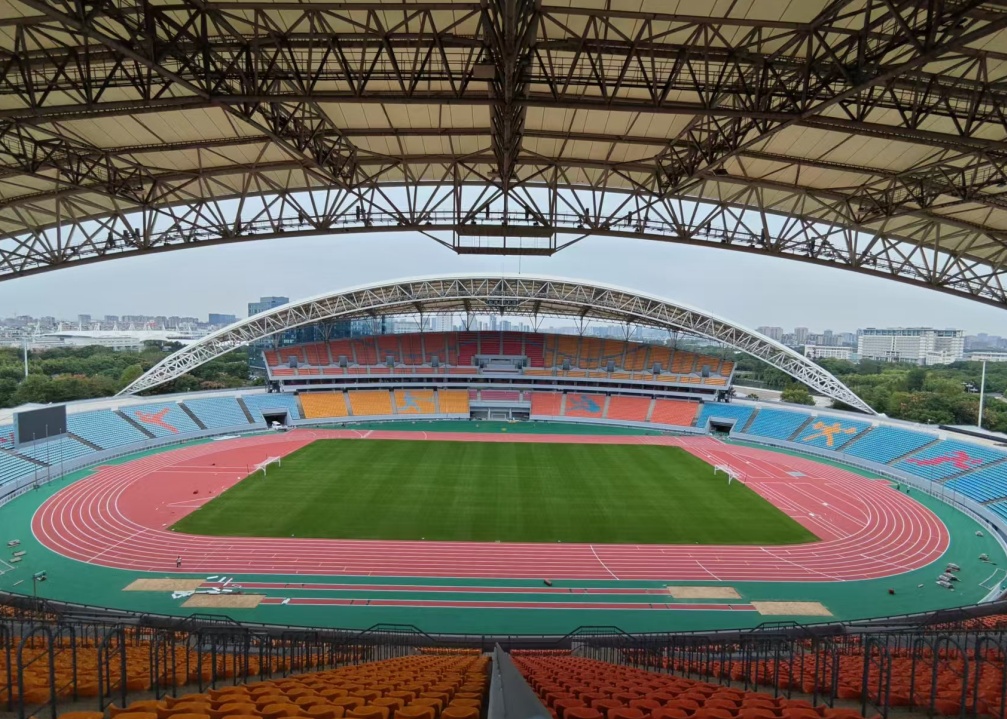
Jiaxing Stadium is one of the more recent stadium references on Huadong Track's official project page. As a modern venue completed in 2024, it is a useful project to discuss because it shows how a running track in a stadium environment is judged not only by athletic use, but also by overall finish, visual consistency, and delivery discipline.
![Jiaxing Stadium]()
In a stadium project, the running track is part of the architecture the audience sees immediately. If seams are rough, if edge treatment is weak, or if line marking lacks clarity, those defects do not stay hidden for long. They become part of how the whole venue is read.
II. Why a Stadium Project Needs a Different Surface Logic
1. Stadium visibility raises the standard
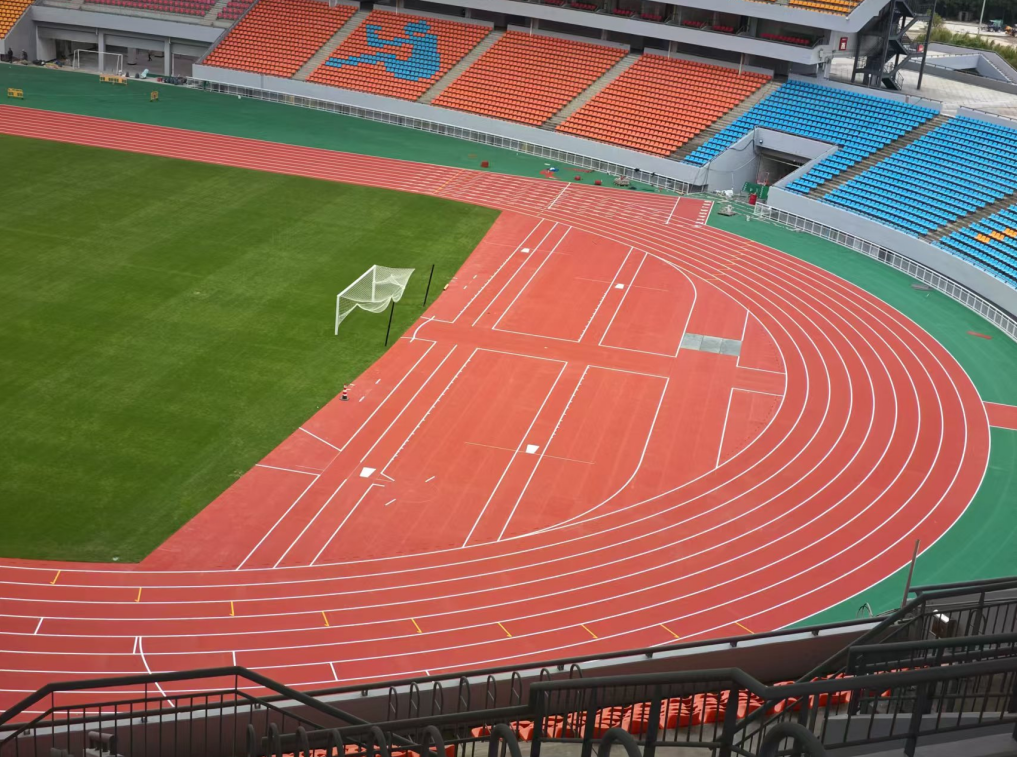
On a school ground, a small surface defect may be overlooked. In a stadium, the same defect is seen from the stands, from the field, and often through event photography or broadcast coverage. That changes the quality threshold.
![Jiaxing Stadium]()
For that reason, stadium projects usually place more pressure on surface uniformity, curve continuity, seam control, and line clarity than ordinary community installations do.
2. The track has to fit a larger construction sequence
A stadium track is rarely delivered as an isolated package. It sits alongside drainage, seating, lighting, fencing, and final venue commissioning. The surface therefore has to do more than perform technically. It also has to fit the overall handover rhythm of the project.
![Jiaxing Stadium]()
III. Where GODER Fits in This Discussion
1. GODER represents a controlled prefabricated approach
Within Huadong Track's product portfolio, GODER is a useful reference when discussing a stadium-grade prefabricated running track solution. Huadong Track presents its prefabricated running track family with a `1.22 m` roll width, `15-20 m` roll length, and `9-13 mm` thickness range. Those numbers matter because they describe a system built around controlled production rather than full on-site layer construction.
![Jiaxing Stadium]()
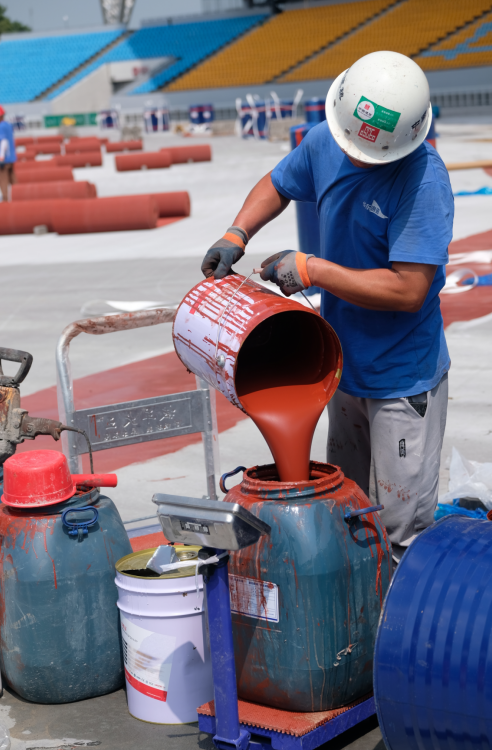
For a stadium project, that production logic is important. It means more of the surface structure is stabilized before installation begins, leaving the site team to focus on the parts that still decide the final quality: base acceptance, roll positioning, seam treatment, bonding, and line work.
2. Prefabricated delivery supports cleaner visual outcomes
A stadium surface has to read well at a distance. That is one reason prefabricated systems are attractive in this kind of venue. They do not remove the need for discipline on site, but they do narrow the field of variables that can distort the finished appearance.
![Jiaxing Stadium]()
When the installation is managed correctly, the result is usually a track that looks calmer, more coherent, and more suitable for a stadium setting.
IV. What the Installation Needed to Get Right
1. Base quality would have been a decisive checkpoint
No prefabricated running track can compensate for a poor base forever. If the substrate is uneven, weak, or badly drained, those weaknesses tend to show up later through the surface.
In a stadium case like Jiaxing, that makes base flatness, slope continuity, drainage coordination, and edge conditions some of the first issues that need strict control.
2. Seam handling would have shaped the final impression
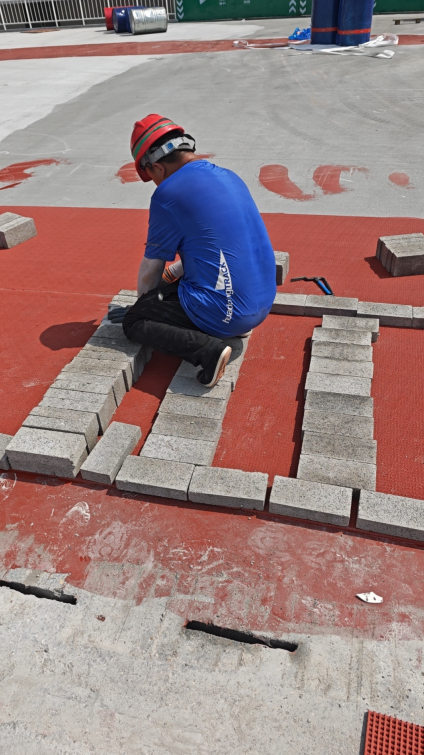
In a large venue, seams are not a minor detail. They affect both appearance and long-term confidence in the job. Poorly aligned rolls or inconsistent seam pressure tend to show up quickly in a stadium environment because the eye has more uninterrupted space to read the surface.
That is why seam work on stadium projects usually tells you a great deal about the quality of the whole installation.
3. Line marking had to match the level of the venue
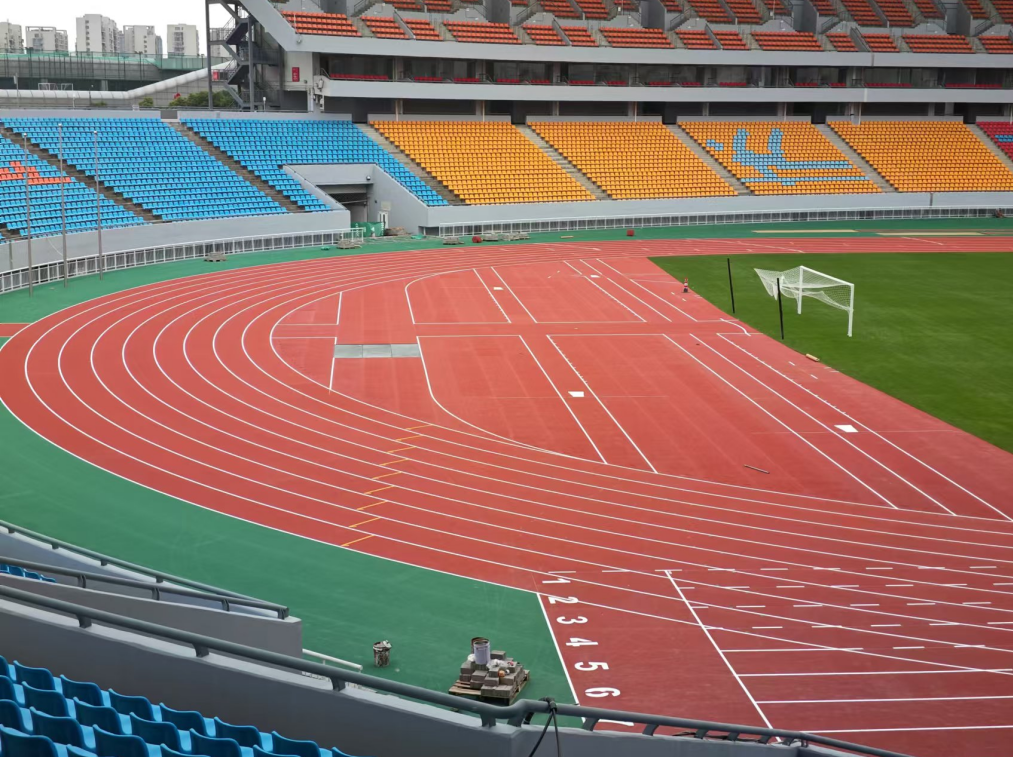
Even a well-laid surface can lose authority if the line work is weak. Stadium projects demand sharp lane lines, clean start lines, and finish-line markings that feel controlled rather than improvised.
![Jiaxing Stadium]()
Once the surface itself is quiet and well finished, poor marking becomes even more visible. In practical terms, the marking stage has to be treated as part of the stadium finish, not as a rushed final step.
V. What This Project Suggests After Delivery
1. The earliest response is whether the venue looks complete
For a stadium project, the first meaningful reaction usually comes at handover. Does the track look balanced under full-stadium visibility? Do the seams stay visually quiet? Do the markings read cleanly from multiple viewing points?
If the answer is yes, the project has already achieved something important. It has delivered a surface that belongs in the venue rather than feeling added onto it.
2. Longer-term value is often measured in maintenance behavior
After handover, the practical question changes. Owners start caring about whether the surface stays visually tidy, whether weak points emerge early, and whether the track remains easy to manage without repeated interruption.
That is one reason projects like Jiaxing Stadium carry weight in a portfolio. They are useful not only because they are new, but because they show the level of finish the company is willing to keep associated with its stadium work.
VI. Conclusion
Jiaxing Stadium is a strong example of why stadium track work should be discussed as venue delivery rather than simple surfacing. In this type of project, the running track has to satisfy athletic expectations, visual expectations, and construction-sequence expectations at the same time.
That is where a product such as GODER becomes relevant. It is not just a catalog item. In a stadium setting, it represents a prefabricated running track solution designed to support cleaner delivery, tighter control, and a more composed final result. For teams evaluating similar venues, Huadong Track can help connect product choice with real project requirements rather than generic product language.
![Jiaxing Stadium]()
VII. FAQ
1. Why is a stadium track different from a school track?
A stadium track is viewed from more angles and usually sits inside a more demanding handover environment. Surface consistency, visual control, and line quality therefore matter more.
2. Why does a prefabricated system make sense in this type of project?
Because it shifts more control into the production stage and reduces some of the variation that full on-site construction can introduce.
3. What is the biggest technical risk in a stadium installation?
Base condition and seam treatment are two of the most decisive risk points. If either one is weak, the final surface will usually show it.
![Jiaxing Stadium]()
4. What kind of post-project feedback matters most?
The most useful feedback is whether the track remains visually stable, operationally manageable, and credible as a long-term stadium surface after handover.