Incorrect equipment sizing causes premature undercarriage wear. It leads to frequent derailing and excessive project downtime. Fleet managers face this mechanical issue daily across construction sites. Standard size formulas often overshadow deeper engineering evaluations. Simple metrics like width, pitch, and link counts ignore carcass depth. Tread configuration and material composition remain neglected during purchasing decisions.
We provide an evidence-based framework here. You will learn how to measure and evaluate equipment belts correctly. We will help you select the exact rubber track thickness for your specific operations. You will discover how to align these dimensions against strict OEM tolerances. This guide empowers owners to maximize equipment stability immediately. It ensures you avoid operational delays. You can safeguard your heavy machinery investments effectively by mastering these technical specifications.
Key Takeaways
Track thickness directly impacts machine stability, fuel efficiency, and puncture resistance; it must be matched to both the machine's weight class and the primary working surface.
Accurate measurement requires assessing both the core carcass thickness and the remaining tread depth using calibrated tools, accounting for historical wear patterns.
Modern compliance requirements heavily favor specialized materials, such as a Goter prefabricated environmental rubber track, for eco-sensitive or stringent municipal projects.
Vetting a rubber track thickness supplier requires reviewing verifiable material data sheets, warranty terms, and load-bearing test results, not just price.
Decoding the Specs: Where Rubber Track Thickness Fits in the Formula
Standard sizing relies on a very specific core formula. You measure the width in millimeters first. You multiply this figure by the pitch length. Finally, you multiply this result by the total number of links. This sequence generates the prominent serial number. You usually see this number stamped clearly on the sidewall.
However, this serial number omits a vital structural metric. It rarely shows the core carcass thickness. It entirely excludes total thickness including the tread lug. You need these exact numbers to clear the undercarriage framework. Missing these dimensions leads to catastrophic chassis binding. Manufacturers design specific clearances for bottom rollers. Thicker profiles can rub directly against metal components.
Cross-reference your machine manuals diligently before ordering replacements. Manuals show the maximum allowable clearance parameters. Exceeding this limit causes immediate roller or sprocket interference. Operating outside these boundaries degrades hydraulic motors quickly. It forces the drive system to work much harder.
Track size suffixes dictate internal structural configuration. They guide you toward proper mechanical fitment. A narrow suffix changes the internal iron core placement. A wide suffix alters how the belt sits on the idler. We summarize these letter designations below to clarify their specific applications.
Standard Rubber Track Letter Designations
| Suffix Designation | Configuration Meaning | Primary Application |
| N | Narrow Base | Used for standard inner guide systems. |
| W | Wide Base | Spreads machine weight across a broader footprint. |
| T / K | Reinforced / Specialized | Matched to specific heavy-duty undercarriage rollers. |
| B | Block Pattern | Designed specifically for hard asphalt or concrete. |
How to Measure Rubber Track Thickness and Configuration Accurately
Standard tape measures lack industrial precision. They fail to capture required millimeter accuracy. We recommend using digital calipers instead. Specialized tread depth gauges also work exceptionally well. Professional mechanics rely on these exact tools daily. Precision prevents incorrect fitments.
Follow this strict measurement protocol to ensure accuracy:
Measure the solid rubber carcass first. Exclude the tread lug entirely during this step. Place your calipers directly on the flat inner band.
Measure the tread depth independently. Insert the depth gauge straight into the lowest valley. Keep the tool perfectly perpendicular to the surface.
Calculate the total overall thickness. Add the carcass measurement and tread depth values together. Document this final number for your records.
Accounting for wear requires field experience. Do not measure near the central sprocket line. This area degrades much faster than the rest of the belt. Instead, locate the least degraded section available. This usually sits near the outer structural edges. Measuring worn central sections yields highly inaccurate data. You might buy an incorrectly sized replacement based on false numbers.
Watch out for clear mechanical red flags. Uneven wear patterns indicate structural trouble immediately. They often point to severe alignment issues. Broken idler tensioners cause similar asymmetrical damage. Do not mistake them for standard operational degradation. Address mechanical undercarriage faults before installing new belts.
![Rubber track environmental configuration on worksite]()
Matching Thickness and Tread Configuration to the Work Environment
Different jobs demand distinct profile designs. Operators must align dimensions to specific ground conditions. Standard thickness fits landscaping perfectly. It causes minimal turf disturbance during sharp turns. It works exceptionally well on predictable dirt surfaces. The lower weight reduces drivetrain strain significantly. You save on daily operational energy consumption.
Heavy-duty or thickened tracks serve demolition sites best. You need them for harsh rocky terrain. Scrap yards demand extreme puncture resistance. Tear strength becomes paramount in these abrasive zones. Thickened carcasses absorb heavy impacts easily. They prevent sharp concrete debris penetrations. They protect the internal continuous steel cords from moisture exposure.
Align your thickness to specific tread patterns carefully. C-Lug designs offer great versatility across mixed soil types. Block patterns dominate hard asphalt surfaces without excessive vibration. Zig-Zag profiles handle deep mud and snow easily. Each pattern utilizes carcass depth differently to maximize traction.
Consider the weight trade-off carefully. Thicker tracks add heavy rotational mass to the equipment. This increases fuel consumption notably over a standard workday. It can reduce hydraulic responsiveness during delicate grading tasks. Mismatched horsepower exacerbates this operational reality. Heavier belts slow down lighter mini-excavators significantly. Evaluate your machine horsepower ratings before upgrading to thicker profiles.
Evaluating Environmental and Prefabricated Configurations
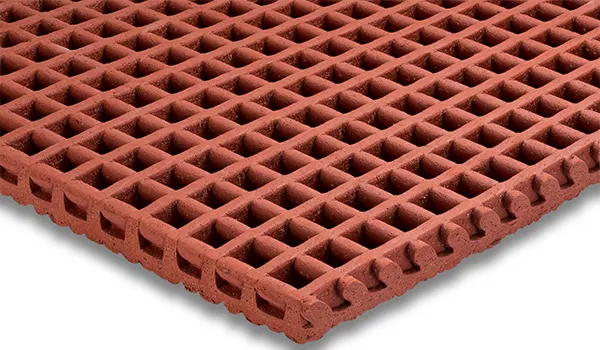
Municipal and indoor projects enforce strict compliance standards today. They increasingly require non-marking operating surfaces. Low-ground-pressure environmental tracks meet these strict demands perfectly. Traditional black rubber leaves permanent scuff marks on concrete. Contractors lose lucrative bids over these surface marking issues.
Material innovation changes the manufacturing industry fundamentally. Evaluate the structural integrity of specialized green options. A goder solution offers unique compound advantages. You might also consider a goter prefabricated environmental rubber track. These advanced materials pass strict eco-audits easily. They utilize specialized synthetic blends instead of raw carbon black.
Prefabricated curing processes deliver major consistency benefits. They ensure highly predictable material density. They guarantee uniform depth across the entire belt length. Factory-controlled curing eliminates weak spots completely. Standard poured molds sometimes suffer from internal air pockets. Prefabrication removes this structural risk entirely.
These outcomes matter immensely for site managers. They reduce topsoil compaction drastically. They help you comply with stringent local environmental regulations. They provide consistent vibration dampening. Operators experience less physical fatigue during long excavation shifts.
Some buyers question eco-friendly durability assumptions. Modern environmental compounds prove skeptics wrong daily. They maintain exceptional tear resistance under heavy loads. They perform just like traditional heavy-duty black tracks. Advanced silica blends replace old carbon formulas effectively. Structural strength remains uncompromising across rigorous tasks.
Framework for Selecting a Rubber Track Thickness Supplier
Buyers must demand formal technical documentation. Always request accurate rubber track thickness specifications. Ask for continuous steel cord verification before purchasing anything. ISO-certified manufacturers provide these data sheets willingly. Complete transparency indicates superior manufacturing quality.
Watch out for critical supplier red flags. Avoid vendors failing to provide exact millimeter tolerances. Reject those substituting standard-weight belts for premium orders. Heavy-duty applications require precise heavy-duty deliveries. A reliable rubber track thickness supplier ensures exact machine matches. They test production batches comprehensively before shipping.
Assess warranty verification terms thoroughly. Compare prorated versus flat-rate replacement policies. Ensure the warranty covers internal steel cord snapping explicitly. It must cover premature lug delamination too. Covering simple structural defects out-of-the-box is not enough. Read the fine print carefully regarding wear limits.
Evaluate logistics and fit guarantees closely. Check return policies regarding mis-shipped configurations. Assess technical support availability during the installation phase. Good suppliers offer video troubleshooting to mechanics. They stand firmly by their dimensional promises.
Conclusion
The right belt balances multiple technical factors seamlessly. You need accurate millimeter measurements for proper clearance. You must ensure environmental suitability for the worksite. Structural integrity remains a top operational priority. Do not rely on basic side-wall serial numbers alone.
Take physical measurements of your current carcass today. Identify your most frequent terrain type accurately. Request verifiable spec sheets from your preferred vendors. Shortlist your best suppliers immediately based on data transparency. Make informed decisions utilizing hard evidence. Protect your undercarriage from unnecessary mechanical stress.
FAQ
Q: What happens if I install a rubber track that is too thick for my machine?
A: Installing an overly thick track causes severe undercarriage friction. It creates potential binding against the chassis framework. This accelerates wear on the drive motor significantly. Always verify OEM maximum clearance tolerances before proceeding with installation.
Q: How do I find the rubber track thickness specifications if the printed size is worn off?
A: Start by physically measuring the width, pitch, and links. Combine these figures with digital caliper measurements of the solid carcass. Cross-reference these exact dimensions with supplier databases. This confirms your correct fitment requirements accurately.
Q: Are environmental tracks like the Goter prefabricated series suitable for heavy excavation?
A: Yes, they perform exceptionally well in heavy excavation. Ensure the core depth meets OEM load ratings. The continuous steel cord architecture must align with your specific machine class requirements. They match traditional belts in tear strength.
Q: What do the letters (N, W, K) in my track size mean?
A: These suffix letters indicate track width variations. They highlight specific guide lug configurations. These match distinct roller types perfectly. They ensure the belt avoids de-tracking during heavy side-loads. Choosing the wrong letter causes immediate derailment.