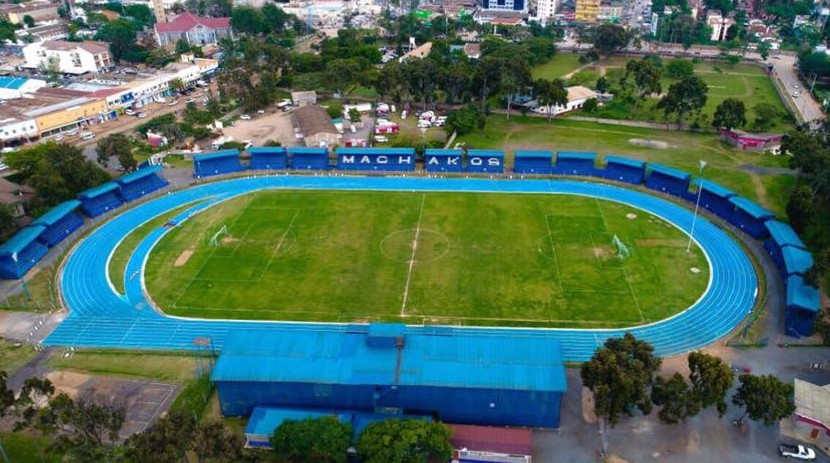
A running track tender should do more than request a red, 13 mm synthetic surface at the lowest price. It should define the intended use of the facility, the required performance, the condition of the base, the installation controls, the evidence required from bidders, the acceptance process and the responsibilities that remain after handover.
When those items are missing, bidders make different assumptions. One contractor may include base correction, drainage checks, certified line marking and on-site testing; another may quote only the visible surface. The prices look comparable, but the offers are not comparable. The lowest tender can then become the highest-risk project.
This guide provides a performance-based structure for a synthetic running track specification, including special clauses for a prefabricated rubber running track. It is designed as an educational procurement tool, not a substitute for a project-specific design prepared by a qualified sports-facility consultant, civil engineer or governing body.

A tender should define the complete venue outcome, competition objective and interfaces, not only the visible running surface.
Important: Use the current rules in the project country, the employer's requirements, the selected product's technical data sheet and the latest World Athletics documents. Do not copy numerical tolerances from another project without checking that they apply to your facility, surface system, climate and certification objective. |
1. Start With the Facility Outcome, Not the Product Name
Before writing material clauses, define what the completed facility must be able to do.
Record the following project information:
| Tender input | Information to define |
Facility type | Competition stadium, training centre, school, university, community track, indoor track or warm-up track |
|
New build or renovation | New civil works, overlay, resurfacing, partial repair or full replacement |
|
Competition objective | International, national, regional, school or recreational use |
|
Certification objective | World Athletics Class 1, Class 2, Indoor, domestic federation approval or no formal certification |
|
Track geometry | 400 m standard track, number of lanes, straights, bends, runways, event sites and safety zones |
|
Expected use | Annual athlete-hours, school use, public access, wheelchair use, events, concerts or vehicle crossings |
|
Climate | Rainfall, humidity, UV exposure, temperature range, freeze-thaw, airborne dust and coastal salt |
|
Programme | Base completion date, surface installation window, line-marking date, testing date and opening event |
|
Delivery model | Material supply only, supply plus supervision, specialist subcontract or complete design-and-build |
|
Service life objective | Design horizon and planned maintenance strategy rather than an unsupported single “lifespan” number |
|
A competition surface and a community training track may both be called a “running track”, but their event configuration, certification, usage, maintenance and budget priorities can be very different.
2. State the Standards Hierarchy
The tender should explain which document prevails if two requirements conflict. A typical hierarchy is:
1. Applicable laws, building codes, environmental rules and public-procurement regulations in the project country.
2. The employer's requirements, issued drawings, bill of quantities and approved clarifications.
3. Requirements of the relevant athletics federation or competition organiser.
4. Current World Athletics rules, manuals, certification procedures and synthetic-surface testing specifications where World Athletics certification is required.
5. Applicable regional standards, such as EN 14877, and agreed national standards.
6. Approved manufacturer's technical data sheets, method statements and maintenance instructions.
The World Athletics Technical Information library publishes the current certification procedures, lists of certified track surfacing products and facilities, accredited laboratories, measurement forms and synthetic-surface test forms. Reference the document title and revision date rather than writing only “IAAF standard”, an older term that can be ambiguous.
3. Use a Performance-Based Surface Specification
A fair tender should describe the required outcome while allowing bidders to identify the exact tested system they propose. Avoid a disguised single-brand specification unless there is a lawful and technically documented reason for it.
3.1 Generic surface description
The tender may state:
The synthetic athletic track surface shall be a factory-manufactured, prefabricated vulcanised rubber sheet system, bonded to an approved dense asphalt or other manufacturer-approved engineered base, complete with compatible primer, adhesive, seams, edge details, local thickening, line marking, testing, documentation and maintenance instructions. |
If the procurement allows alternatives, state which generic systems are acceptable:
• Prefabricated vulcanised rubber sheet.
• Full-pour or solid polyurethane.
• Sandwich or hybrid polyurethane system.
• Porous spray-coated polyurethane system.
Do not use “EPDM track”, “PU track” or “rubber track” as if each described one standard construction. The terms can refer to different layer structures, binders, porosity and installation methods.
3.2 Performance requirements
Specify that the proposed system must meet the current applicable test requirements for:
• Force reduction or shock absorption.
• Vertical deformation.
• Friction or slip resistance, including wet conditions where required.
• Tensile strength and elongation at break.
• Thickness and thickness uniformity.
• Spike resistance and wear resistance where relevant.
• Colour, UV stability and weathering performance where a project standard applies.
• Resistance to water, adhesive compatibility and dimensional stability.
• Environmental and chemical restrictions required by local law or the employer.
Where World Athletics certification is required, the bidder should identify the exact certified product name, certificate number, nominal/absolute thickness and current listing. A certificate for a different product, construction, thickness or company name should not be accepted as evidence for the offered system.
3.3 Thickness
Do not specify thickness as the only sign of quality. Thickness is one controlled characteristic, not a complete performance specification.
The tender should define:
• Nominal system thickness and any permitted range.
• Areas requiring additional thickness, such as high-impact take-off or runway zones, when required by the design.
• How thickness will be verified.
• Whether correction of base irregularities is included or excluded.
• How local repairs, seams and transitions will maintain performance.
Prefabricated sheets cannot normally be varied during installation to conceal a poor base. Sport England's current athletics design guidance notes that prefabricated systems provide factory consistency in resilience and thickness, but require a dense asphalt base engineered to a fine tolerance; it also identifies the adhesive bond as crucial to performance. See the Sport England Athletics Design Guidance Note .
![]()
Clear scope allocation is essential when the accepted base, surface rolls, adhesive and installation labour form one contracted system.
4. Define the Complete Scope of Supply
Use a scope matrix so that no item disappears between the civil contractor, surface installer and owner.
| Work item | Employer/civil contractor | Surface contractor | Specialist/third party | Tender clarification required |
Geotechnical investigation |
|
|
| Yes |
|
Formation and sub-base |
|
|
| Yes |
|
Asphalt/concrete base |
|
|
| Yes |
|
Drainage channels and outlets |
|
|
| Yes |
|
Survey control and track geometry |
|
|
| Yes |
|
Base inspection and acceptance |
|
|
| Yes |
|
Grinding and local level correction |
|
|
| Yes |
|
Moisture mitigation |
|
|
| Yes |
|
Primer and adhesive |
|
|
| Yes |
|
Synthetic surface rolls/layers |
|
|
| Yes |
|
Seams, edges and transitions |
|
|
| Yes |
|
Local thickening |
|
|
| Yes |
|
Line marking |
|
|
| Yes |
|
Field testing and laboratory fees |
|
|
| Yes |
|
Measurement report |
|
|
| Yes |
|
Certification application and fees |
|
|
| Yes |
|
Samples and attic stock |
|
|
| Yes |
|
Maintenance equipment and training |
|
|
| Yes |
|
Warranty inspections |
|
|
| Yes |
|
Require every bidder to return the completed matrix. A blank cell is not an exclusion; it is an unresolved commercial risk.
5. Specify the Base Interface
The running surface is only one layer in a system. Base settlement, cracks, poor drainage, contamination, excessive moisture and out-of-tolerance levels can appear later as ponding, bubbles, debonding, open seams or uneven performance.
The tender should require a formal base-handover process covering:
• Approved construction drawings and levels.
• Base material and structural design.
• Compaction and load-bearing evidence.
• As-built survey and geometry.
• Straightedge or digital level survey for flatness.
• Longitudinal and crossfall drainage checks.
• Flood or hose testing where specified.
• Moisture and curing records.
• Crack, joint and repair map.
• Surface strength, soundness and contamination inspection.
• Trial adhesion where required.
• Signed release before surface installation.
The specification must identify who pays when the base fails inspection. Surface installers should not be forced to accept a defective base merely to protect the programme.
For a field-ready tool, use the related 12-Point Track Base Inspection Checklist .
6. Require Product and Supplier Submittals
The tender should request evidence before award and again before shipment.
6.1 Technical submittals
• Exact product name, construction and thickness.
• Current technical data sheet.
• Safety data sheets for surface, adhesive, primer, paint and repair compounds.
• System cross-section and detail drawings.
• Current product certification and independent test reports relevant to the offered system.
• Environmental or indoor-air certificates required by the project.
• Colour samples and production batch control method.
• Adhesive compatibility statement.
• Storage, transport and shelf-life requirements.
• Installation temperature, humidity and substrate-moisture limits.
• Cleaning and maintenance manual.
6.2 Organisational submittals
• Manufacturer and legal entity details.
• Installer qualifications and authorised-installer evidence.
• Proposed project manager and installation supervisor CVs.
• Reference projects of similar size, climate and certification level.
• Recent references plus older installations that demonstrate ageing performance.
• Quality-management certificates where required.
• Factory production-control and batch traceability description.
• Insurance, licences and statutory documents required locally.
6.3 Samples
Require samples that are clearly labelled with:
• Product and colour.
• Thickness.
• Surface texture and underside construction.
• Batch or sample number.
• Date of manufacture.
• Test/certificate reference.
If a benchmark sample becomes part of the contract, define how it will be sealed and stored for comparison with delivered material.
7. Write Installation Controls Into the Contract
Installation quality should not depend on verbal promises made after award.
Require a project-specific method statement covering:
1. Base inspection and release.
2. Grinding, cleaning, sealing and correction.
3. Site storage and roll conditioning.
4. Weather monitoring and stop-work criteria.
5. Setting-out and pre-lay planning.
6. Primer and adhesive mixing, coverage and open time.
7. Roll alignment and placement sequence.
8. Pressure application and temporary restraint.
9. Curve, runway, kerb and drainage-channel details.
10. Seam cutting, bonding and repair.
11. Edge and transition treatment.
12. Daily inspection and non-conformance repair.
13. Curing and protection from traffic or rain.
14. Survey and line marking.
15. Cleaning, final testing and handover.
HuadongTrack's published installation sequence illustrates these interfaces from base inspection through document handover. The tender, however, should require the successful bidder to submit its own method statement matched to the offered system and site conditions.
![]()
Installation controls should record adhesive identity, mixing, batch use, weather limits and the area completed each day.
8. Establish Quality Assurance and Inspection Hold Points
A hold point means work cannot continue until the required evidence is reviewed.
Recommended hold points include:
• HP1 — Design: geometry, construction details and drainage approved.
• HP2 — Base: base checklist, survey and moisture results accepted.
• HP3 — Materials: certificates, samples, batch numbers and delivery inspection accepted.
• HP4 — Trial area: adhesive, seam and workmanship trial accepted where specified.
• HP5 — First installation area: alignment, coverage and seam quality accepted before full production.
• HP6 — Pre-line marking: surface repairs, cure and survey accepted.
• HP7 — Final acceptance: testing, measurements, as-builts and O&M documents complete.
The inspection and test plan should state the characteristic, method, frequency, acceptance requirement, responsible party and record produced.
9. Define Testing and Final Acceptance
Do not make “looks good” the acceptance standard.
Depending on facility level, acceptance may include:
• Visual inspection for bubbles, wrinkles, exposed adhesive, contamination, colour inconsistency and damaged edges.
• Seam and transition inspection.
• Surface levels, gradients and ponding checks.
• Track geometry and event-site measurement by a qualified surveyor.
• Thickness checks.
• In-situ synthetic-surface performance testing by an accredited laboratory where required.
• Line-marking survey and colour plan.
• Confirmation that the installed product matches the submitted certified system.
• Snag correction and reinspection.
• Completed measurement reports, field-test forms and certification application documents.
For a World Athletics Class 1 facility, the certification procedures require both the relevant measurement documentation and full in-situ testing of the synthetic surface by an accredited laboratory. Class 2 follows a different route and should not be described as a lower-priced Class 1 test. See World Athletics Certification: Product vs. Facility Guide .
![]()
Final acceptance should examine geometry, lines, transitions, seams, testing and handover records, not appearance alone.
10. Make the Warranty Measurable
A long warranty headline is not enough. The tender should define:
• Warranty period and start date.
• Parties responsible: manufacturer, supplier and installer.
• Covered defects, including material defects and installation defects.
• Exclusions, such as structural base movement, flooding, chemical attack, unauthorised vehicles or neglected maintenance.
• Required maintenance and record-keeping.
• Inspection frequency and response time.
• Remedy: repair, replacement, labour, freight and access costs.
• Treatment of local repairs and colour variation.
• Transferability if the facility operator changes.
• Governing law and local service arrangements.
Ask bidders to price mandatory maintenance separately, so the owner can compare whole-life obligations rather than only the initial warranty language.
11. Request an Operations and Maintenance Package
At handover, require:
• Approved product and batch records.
• As-built drawings and survey.
• Test and certification documents.
• Cleaning schedule and approved equipment.
• Restrictions on vehicles, temporary flooring, chemicals and events.
• Procedures for snow, leaves, moss, dust, chewing gum and spills as relevant.
• Inspection checklist for seams, lines, high-wear zones and drainage.
• Approved repair materials and repair procedure.
• Recommended re-marking and professional-cleaning intervals.
• Training for the facility team.
• Contact and escalation route for technical support.
12. Use a Weighted Bid-Evaluation Matrix
The tender should disclose the evaluation method where procurement rules permit.
| Evaluation category | Illustrative weighting |
Technical compliance and certified system | 20% |
|
Base-interface and installation method | 15% |
|
Relevant project references and team | 15% |
|
QA, testing and traceability | 10% |
|
Programme and delivery risk | 10% |
|
Warranty, maintenance and local support | 10% |
|
Evaluated lifecycle cost | 10% |
|
Contract price and commercial compliance | 10% |
|
These percentages are illustrative. Public procurement rules may require a different structure. The important principle is that a technically incomplete offer should not win merely because omitted work makes its price look lower.
Copy-and-Adapt Tender Clause Checklist
Use this abbreviated checklist before issuing the tender:
☐ Facility use and competition level are defined.
☐ Certification objective is explicit.
☐ Standards hierarchy and document dates are stated.
☐ Generic surface system and performance requirements are defined.
☐ Exact certified product evidence is required.
☐ Thickness and local thickening requirements are defined.
☐ Base construction and handover responsibilities are allocated.
☐ Drainage, moisture, flatness and strength evidence is required.
☐ Primer, adhesive, lines, repairs and transitions are included.
☐ Bidder submittals, samples and references are listed.
☐ Installation weather limits and hold points are required.
☐ Testing, survey, laboratory and certification fees are allocated.
☐ Handover documents and training are included.
☐ Warranty coverage, exclusions and response are measurable.
☐ Bid evaluation compares lifecycle value, not only initial price.
Frequently Asked Questions
Should a tender specify a running track brand?
Normally, a performance-based specification with approved evidence supports fairer comparison. If a named product is required, the owner should document the legal and technical basis and state whether equivalent certified systems are permitted.
Is “13 mm synthetic track” a complete specification?
No. It does not define system construction, performance, porosity, certification, adhesive, base, installation, testing, warranty or maintenance.
Does a World Athletics certified product make the finished stadium certified?
No. Product certification applies to a named surfacing product. Facility certification applies to the completed venue and requires the relevant measurement and, for Class 1, in-situ surface-testing process.
Should base correction be in the running-track contractor's price?
The tender must say. Base inspection should be mandatory, but responsibility for major structural correction and local surface correction should be allocated and priced separately.
What is the best base for a prefabricated rubber track?
Dense asphalt is widely used because it can provide a stable, smooth and bondable base when correctly designed and constructed. A concrete base may be possible with approved detailing and moisture/joint management. Follow the surface manufacturer's project-specific requirements.
Can different track systems be compared only by price per square metre?
No. Compare scope, base correction, freight, duties, installation, weather risk, testing, maintenance, repairs, downtime, service life and end-of-life cost. Use the lifecycle cost calculator .
Who should perform the final track measurement?
Use a qualified surveyor familiar with the applicable athletics measurement forms and certification process. Confirm eligibility before appointment.
Who pays the accredited laboratory?
The tender must allocate the appointment, access, testing, travel, retesting and certification fees. Do not leave this until project completion.
What references should a bidder provide?
Ask for projects similar in area, climate, system and certification level, including recent installations and older tracks that show long-term performance.
How should alternative offers be handled?
Require a fully compliant base offer first. Alternatives should identify every deviation and provide equal technical, commercial and lifecycle evidence.
Procurement Takeaway
A strong running track tender specification makes every bidder price the same outcome. It protects the owner from hidden exclusions and gives responsible contractors a fair way to demonstrate certified products, installation discipline and lifecycle value.
HuadongTrack manufactures prefabricated rubber running track systems and supports project teams with product documents, samples, base review and installation guidance. To evaluate a live project, submit the country, facility type, area, drawings or BOQ, required certification and target opening date through the HuadongTrack contact page .